
I’ve always thought that to do something well, you have to study. No matter how much you've learned about a subject, a profession, or a hobby, there's always something new to discover and learn. We learn even from the mistakes we make or that others make. But... if we can avoid them, all the better.

In this age of social media, YouTube, as a video platform, is very good for learning new skills or perfecting the ones we already have.  It was founded in 2005 for other purposes and you can find everything and any topic that inspires you. What we do need to consider is what we want to emulate and who we want to learn from.

In last September’s issue, I told you about my favorite YouTube vlogging channels.  On this occasion, I’m going to share with you information about tutorial channels.  There are many YouTube channels dedicated to sewing tutorials. However, the reality is that not everyone is a good resource to perfect or learn new techniques. Not to mention, not all people willing to teach through this tool have the skill to teach.  And you may be wondering, what elements distinguish a good channel from a not-so-good one? I can list several elements, but I will focus on the 3 that I consider most important:

  1. Subject Mastery: this does not mean that the person has academic preparation in the subject.  Academic preparation certainly helps, but it’s not necessary. For me, the important thing is that the «YouTuber» has documented what they teach, either because of academic preparation or because they are self-taught.   
  2. Camera focus: sometimes the YouTuber has a lot of knowledge, but the video they took is not the best. It sometimes happens that the way in which the camera is projected is not the most appropriate or it is handled at such a speed that those who seek to appreciate the content cannot capture what is shown, no matter how many times they seek to go back and/or repeat the video, read the subtitles or play it in slow motion.  It is not necessary to record with professional equipment, since even with the use of a cell phone it can be achieved. However, they must be well taken.  If you do not know how to use the tool, the effort is lost, even if you have mastered the subject.
  3. Ability to convey information: even with the best of intentions, not everyone has the ability to teach.  It is a talent and vocation that must be cultivated.  A professional may have total knowledge about a subject, including the highest academic degree, but not have the ability to transmit that knowledge to others.

In my experience, I believe that the following «YouTubers» fully comply with the elements described above and that is why I venture to share them with you:

Thoughtful Creativity:  Alisa is just great at what she does.   She quit her job to devote herself fully to sewing and sharing her knowledge with others. She has over 300,000 subscribers to her channel.  She is self-taught and has been sewing since she was a child.  The tutorials range from the simplest to the most complex.  Alisa explains them in a simple way and, if you have any doubts, you simply comment on them and she answer.  Her charisma and understanding of the techniques she teaches are extraordinary. She collaborates with Mari de Jesús in the «Dress a Girl» Project, not only sewing dresses for the girls, but also sharing free patterns that she has made for her girl, so that it can be used for the project.

Menudo Numerito: Lucia Chacón is Spanish.  She has 1.47 million subscribers.   Her channel has received several awards in Spain. She studied translation and interpreting at the University of Granada. She worked as a documentary filmmaker. Her passion for sewing led her to start a blog in 2011.  In 2012 she started her YouTube™ channel dedicated to sewing.  The tutorials are diverse and her explanations are simple.   In addition, she is a writer of novels. Lucia has published two, and yes, you guessed it… they are related to sewing.  

The Sewing Room Channel: Sherrill Yi Donoy has more than 260,000 subscribers.   She was a teacher and has an incredible ability to transmit her knowledge. Sherill has gone through difficult health situations.  She had a stroke (CVA) that left her unable to move her right hand.   Due to this situation, she has looked for ways to make sewing easier.   She sews everything.  Her tutorials range from clothing sewing techniques, quilting, accessories and decoration. She publishes three videos weekly. One of them, every Wednesday, called «tip of the week». 

Just Get it Done Quilts:  Karen Brown is from Canada and is a quilter. She has more than 400,000 followers.  She also is offered workshops related to quilting, including cruise trips.  Karen’s tutorials on quilting and sewing techniques are excellent. At the beginning of the year she usually does the 21-day «Declutter Challenge», where she teaches you everything about organization in sewing. The purpose is to make room for the new.

Entre Manos: Paz Rodríguez is a Spanish woman from Lanzarote.  From her mother she learned about sewing.   She studied art and was a teacher. She quit her job to devote herself fully to sewing.  She owns a store where, in addition to selling fabrics and accessories, she offers sewing workshops.  Paz has more than 325,000 subscribers.  Her channel is dedicated to home sewing, accessories and quilting.  Their tutorials are distinguished by their simple yet precise techniques.

Professor Pincushion: Tova Opatrny has been sewing since she was a teenager.  In 2009 he co-founded her website and YouTube™ channel.  Her work has been recognized in several magazines such as Good Housekeeping and Cosmopolitan. She resides in Oregon.  Her channel is dedicated to sewing techniques and has more than 550,000 subscribers.  In 2022, she published her first book titled «Beginner Guide to Sewing.»

OklaRoots: Jess Blackman is a Florida resident and software engineer. He has about 185,000 subscribers. Also, has an online store.  Her tutorials are mainly aimed at sewing bags and accessories in general.  What I like about it is that Jess uses patterns from different companies and does the evaluations of these.  She goes step by step.  If she makes a mistake or if she understands that the way she does it can be improved, she says so, so that when you work on it you can benefit from it.   

Evelyn Wood: Evelyn Wood studied fashion design and is completely dedicated to sewing.  She resides in Australia.  What caught my attention about the channel was Evelyn’s focus on vintage techniques.  Evelyn has an online sewing school where she emphasizes «vintage» techniques. In some videos she shows how old pieces have been built. Also, practice sustainable sewing. She is passionate about teaching others about sewing.  Although she has already been declared cancer-free, her channel is currently on pause because she is on sabbatical due to her treatment for breast cancer.

Without a doubt, for me these channels have been a source of inspiration and help in my journey through sewing. Sometimes it happens that we don’t feel like sewing, but we can do things related to sewing that help us improve our techniques or discover new ways of doing things. I recommend you take time not only to sew, but to learn about sewing.  

If you are as passionate about sewing as I am, I invite you to subscribe to Sirena Elite.  At the Club you will learn new sewing techniques and other manual arts. And the best part? You will share with people who, like you, love sewing.  By subscribing to the club, you get one free digital pattern per month and many other benefits. Join today and enjoy two weeks free by clicking here.

Until next time,

Article written by

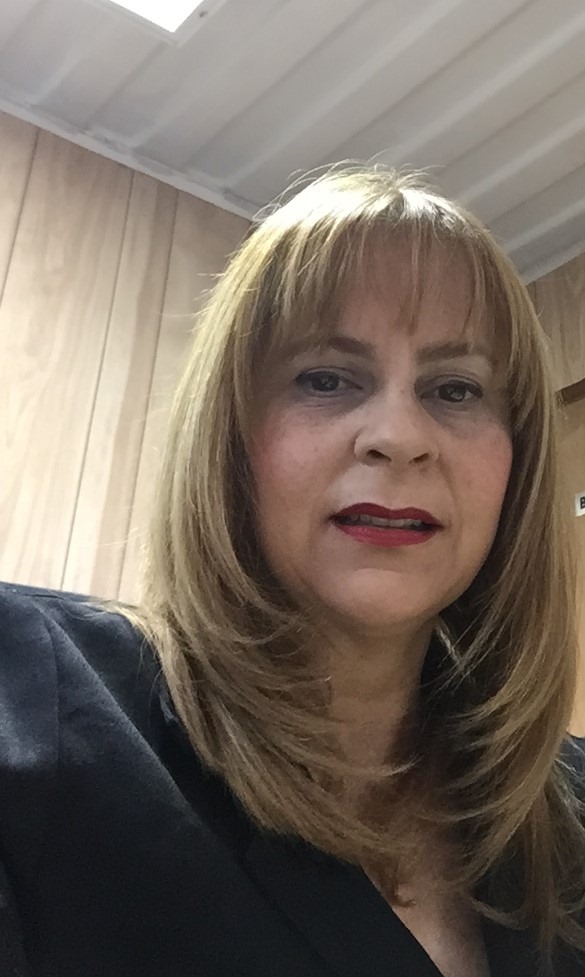
Isabel Hernández

At the end of 2022, for the first time, I planned what I wanted to achieve in sewing for 2023. Although I like to plan, I had never made an annual plan aimed at sewing.

 I was motivated by many things, including a challenge circulating on social media known as the «Make Nine Sewing Challenge.»  This challenge originates from the hashtag «#best nine» on the social network Instagram.  Through that #hashtag, people «post» the favorite photos of the year.   In the particular case of sewing, the challenge began in 2015, initiated by Rochelle de homerowfiberco.com, with the goal of getting people to intentionally think about what they wanted to develop with regard to sewing.  Most of the sewing community that participates in the challenge does so by identifying 9 patterns of clothing or accessories that they want to sew during the year.  Mine was different, because I also incorporated more general sewing-related activities.  The reality is, the plan helped me a lot as a guide.  

I didn’t get 100% (as I like and usually demand of myself), but I didn’t do too badly either.  As a summary, I share with you my achievements and results for 2023:

Even though I haven’t finished everything, I feel more than satisfied with what I planned and achieved.  Even though I didn’t have it among my «make nine», I ventured and did other things related to sewing that, without a doubt, helped to expand my knowledge.  In addition, I took three workshops and a class at Tommie Hernandez Academy.  Also, I took an online course with Whitney Luckenbill on how to fit and modify commercial sewing patterns. Ah, but if you ask me, what was my biggest accomplishment of 2023? Without thinking twice, it was fulfilling my dream of being able to collaborate and write a blog related to sewing. Sometimes, without much planning, things just happen. My thanks to Tommie for the opportunity!

 With the latent spirit of planning and after experiencing such good results, at the end of 2023 I planned my «Make Nine» for 2024.  This time I chose to create a visual board using «Canva», inspired by Tommie Hernandez’s Academy Fashion Marketing class.  I strategically placed it in my sewing room to see every time I sit down to sew.  In this way, it not only inspires me, but also focuses, keeping in mind what I have set out to achieve.  

It is with pride and excitement that I present to you my #MakeNine2024:

 I started 2024 with enthusiasm and a lot of strength. So much so, that I already have 3 of my goals in progress, #1, #4 and #8.  Initially, #4 was just sewing a swimsuit, but my adventurous and daring spirit demanded even more from me. It turned into something bigger! 

 If you haven’t planned your sewing goals for 2024, there’s still time.  Remember, «It’s never too late, if the joy is good.»  Sewing time is time you invest in what you like.  In other words, you invest in yourself.  If you ask me, I would recommend starting with small goals.  Also, if you notice, some of my goals are simple like #3, #8 and #9, others are intermediate, and others are goals that will take me months to complete. The truth is that it is not the degree of difficulty of your projects that matters, but the desire to launch yourself into conquest! 

If you still don’t know where to start, I invite you to subscribe to the best Sewing Club, Sirena Elite.  You will learn new sewing techniques and other arts and crafts. And the best part? You will share with people who, like you, are passionate about the art of sewing.  Make that dream come true and don’t put it off any longer. By subscribing to the club, you get one free digital pattern per month and many other benefits. Join today and enjoy two weeks free by clicking here.

Until next time!

Dare to sew your own underwear! In our sewing club we teach you how to sew a bralette and a panty. As a member of Sirena Elite you have access to exclusive tutorials, a free pattern per month and more benefits. Join by clicking here.
Article written by

Isabel Hernández
"The pattern is great for beginners, it's ideal for someone who wants to have a first try at making underwear or for someone who wants to experiment with stretch fabrics"

If you want to design your own underwear, the Harry boxer briefs and trunks is the perfect pattern! In less than 1 1/2 hours you can make custom underwear in two styles: view A: boxer briefs with a 4” (10 cm) inseam and view B: trunks with a 2” (5 cm) inseam. 

Use nylon/spandex and you will have perfect fitting swimwear too!

This designer pattern is fully graded with seam allowance, featuring sizes ranging from XS to XXL; and, take the guesswork out of sewing swimwear with the included English and Spanish language instruction booklet.

Check out Mikey Cammish’s review and sew along of the Harry pattern!

Go ahead and sew your Harry boxers! The members of our club will learn to make the Harry pattern step by step. As a Sirena Elite member you have access to exclusive tutorials, one free pattern per month and more benefits. Join by clicking here.

Until next time!

1 FREE pattern a month

with your membership
1 FREE pattern a month
with your membership

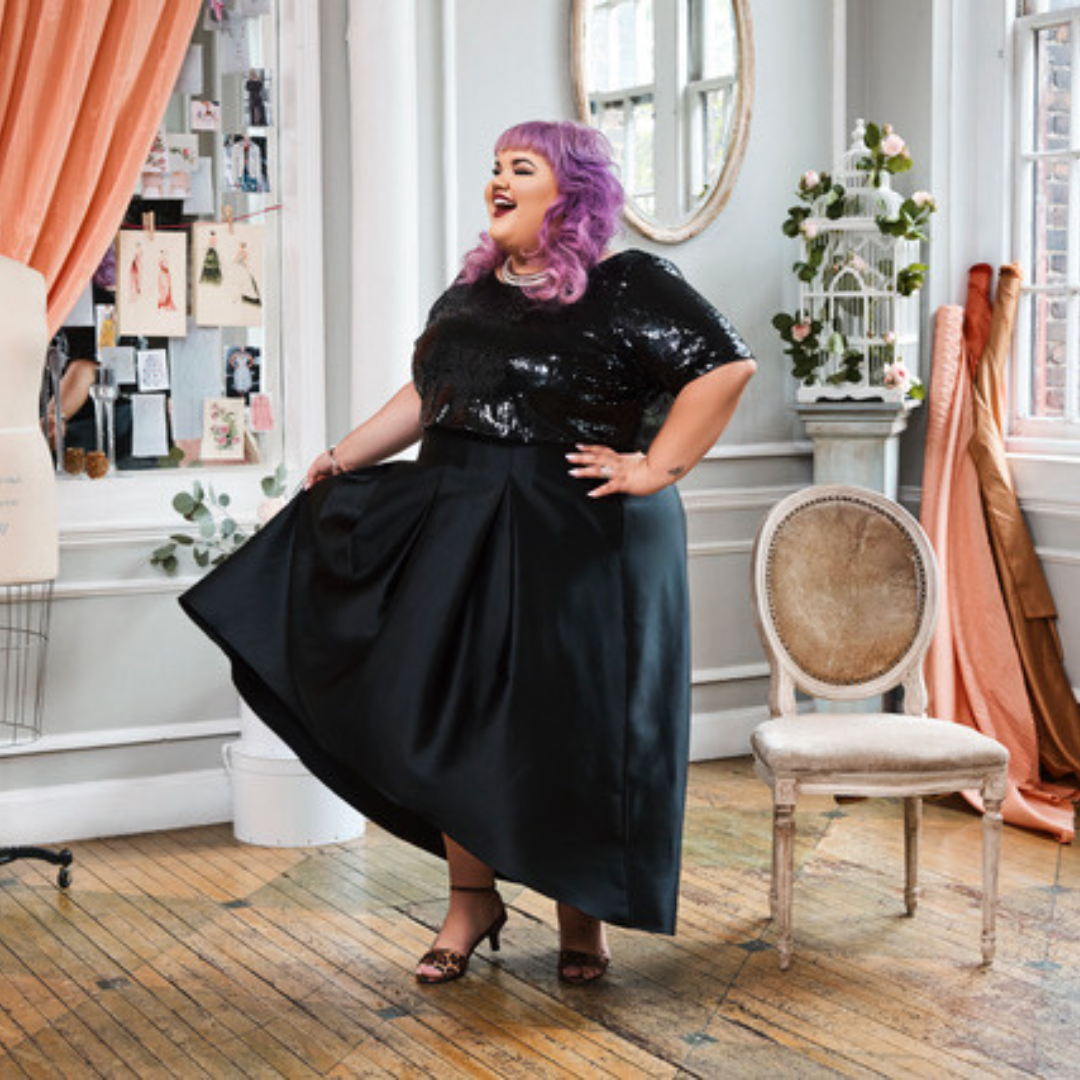
If you are a fashion lover or sewing addict like me, you probably know of the famous reality TV Show Project Runway. In case you are not familiar with the show, it’s an American Reality TV show focused on Fashion Design. It was a very popular show that lasted 19 seasons. I particularly remember Ashley’s season, because she was the first plus size designer I have seen on the show. Her journey though project runway was groundbreaking, controversial and a very much needed representation.

Project Runway showcased quite a few designers who were not exactly pleased to be provided with a sample model that was considered “plus”, which really meant they were over a size 4.  Therefore,  imagine how different and exciting  it was for the show and the audience when they see a plus woman fight through the stigma and win the competition. 

For this very reason, I immediately thought of Ashley for this month’s theme. Her entire journey is a self love journey, and she  was so kind to take time out of her busy schedule to share with us her experience. Let’s meet her!

Ashley, thank you so much for taking the time to share your story and perspective on how sewing can help your mental health and wellbeing. Let's go back to your first interactions with a sewing machine. What paved the way for your interest in the world of sewing and fashion design?

My grandmother taught me how to sew when I was a child and I fell in love with it. Anything «crafty» we would do together. As a «big girl» I didn’t have a lot of clothing choices, so I made my own!!

I like to say that sewing is a love language. Would you agree?

For me it’s a love language only because I love doing it. I feel like anytime you are passionate about something and love to do it, it shows in the end results.

When you decided fashion design was going to be your career, what was one of the hardest things to overcome?

The stigma attached to being a plus size designer in a world that didn’t accept me.

Aside from winning Project Runway season 14, what is one memory that you absolutely treasure, in your sewing journey?

Wow there are quite a few. I have had the opportunity to Design costumes for a Major Motion Picture, I made a dress made out of Color Boxes for Sally’s Beauty, and of course the 100,000 of Masks we made during the pandemic.

How has sewing helped your mental health and in different stages of your life?

It’s my constant. It’s that thing in my life I can rely on. Sitting in front of my Machine is my zen zone!

You currently have a section on your YouTube Channel called "Love YOU show". Tell us a little bit more about that and how It came to fruition.

I have been on a Journey of Self Love, Self-Acceptance and Self Care. Those three aspects of development are the foundation of the Love You Show. I have a great mentor and manager and together we were able to express my journey in a way that is compelling and understandable.

You faced a lot of rejection and ugly comments before and after your season in Project Runway from other contestants and from Tim Gun himself. How did you internalize this and eventually overcome it?

At the beginning it literally killed me. My soul, my confidence, my self-concept. I overcame it through expressing it all on my «Love You’ show.

Sirena Elite has an audience that has used the practice of sewing as a way to cope with anxiety and mental health. As an advocate, what message do you have for these people?

Get a machine, get a needle and thread, take a couple classes, and CREATE. Find your zen space.

Now it's time for some fun questions! What is your favorite sewing tool?

Of course the tape measurer!

Anything in particular you don't like to sew?

Masks! (lol)

Have you ever been to Puerto Rico?

No, but I would love to visit!!! 

You can view more of Ashley Nell Tipton at www.ashleynelltipton.com 


Article written by

Karla Menendez, member of the Sirena Elite community
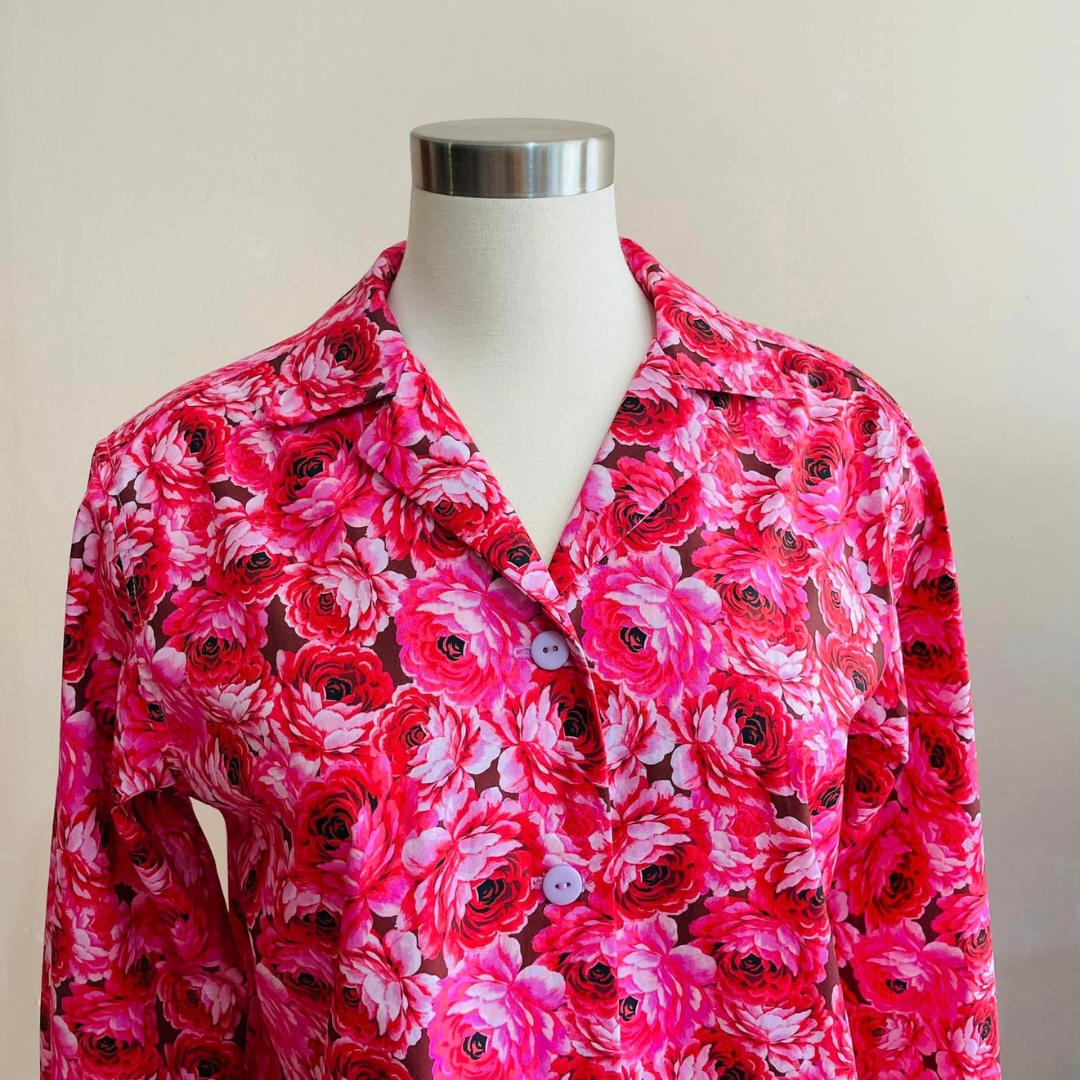
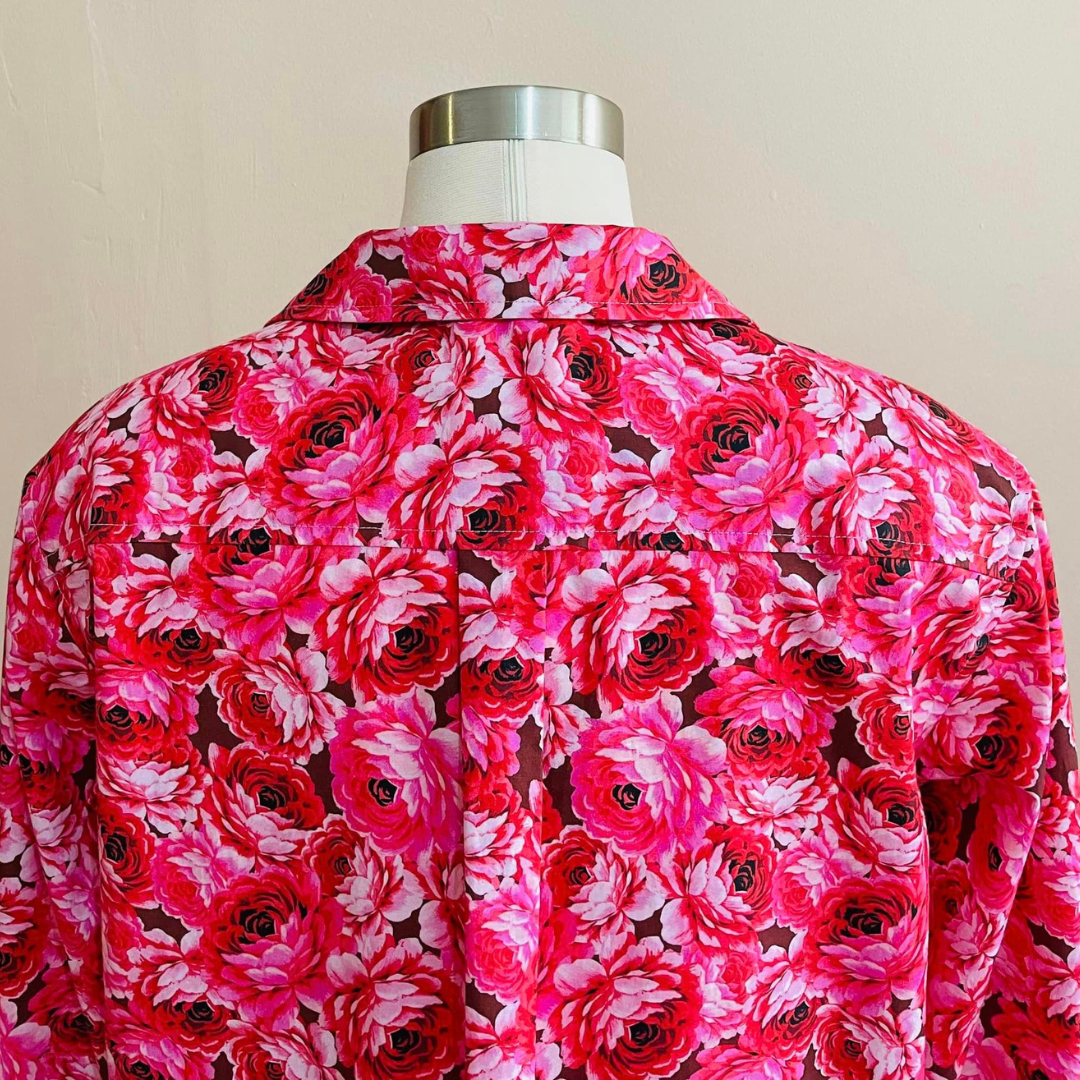
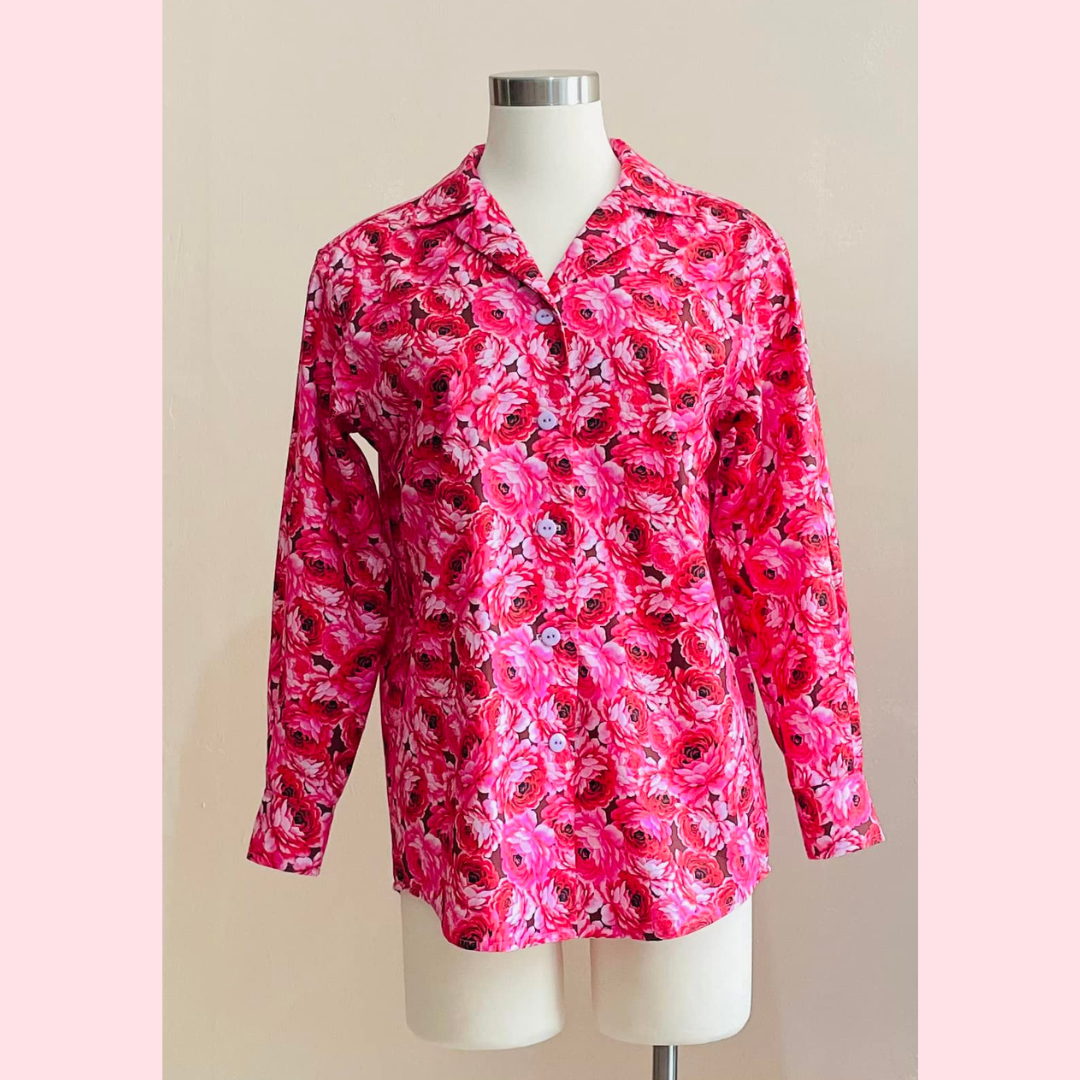
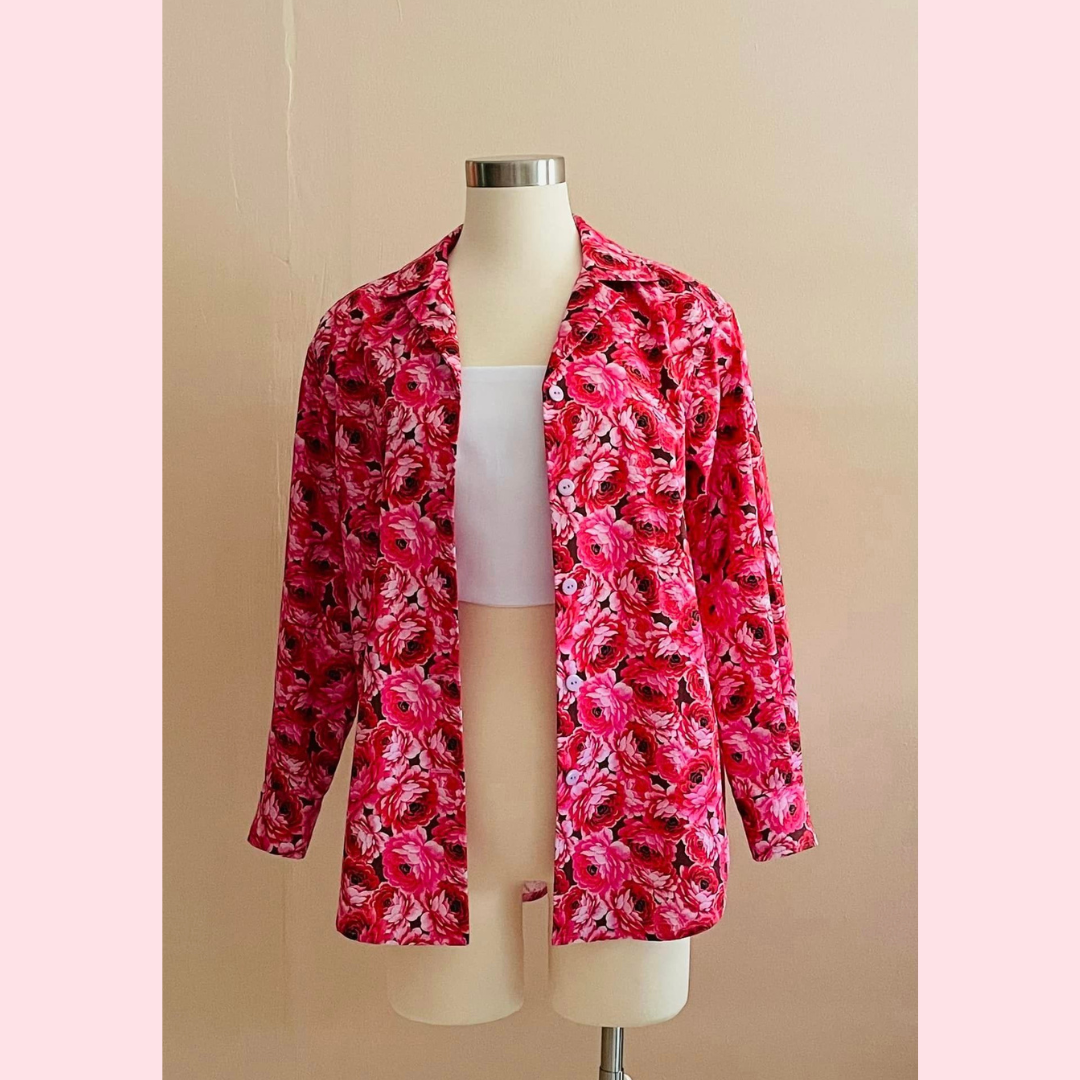
I am very happy to share with you my most recent sewing project, the pattern of the month of February 2023, the Juany shirt from Sirena Patterns. As soon as I saw the pattern I thought of the many combinations that can be made with different items of clothing and the variety of fabrics that can be used to create different outfits. I would wear the Juany shirt with jeans, dress pants, shorts, skirts, over a crop top or a bikini, etc. The possibilities are endless!

Sewing pattern and fabrics

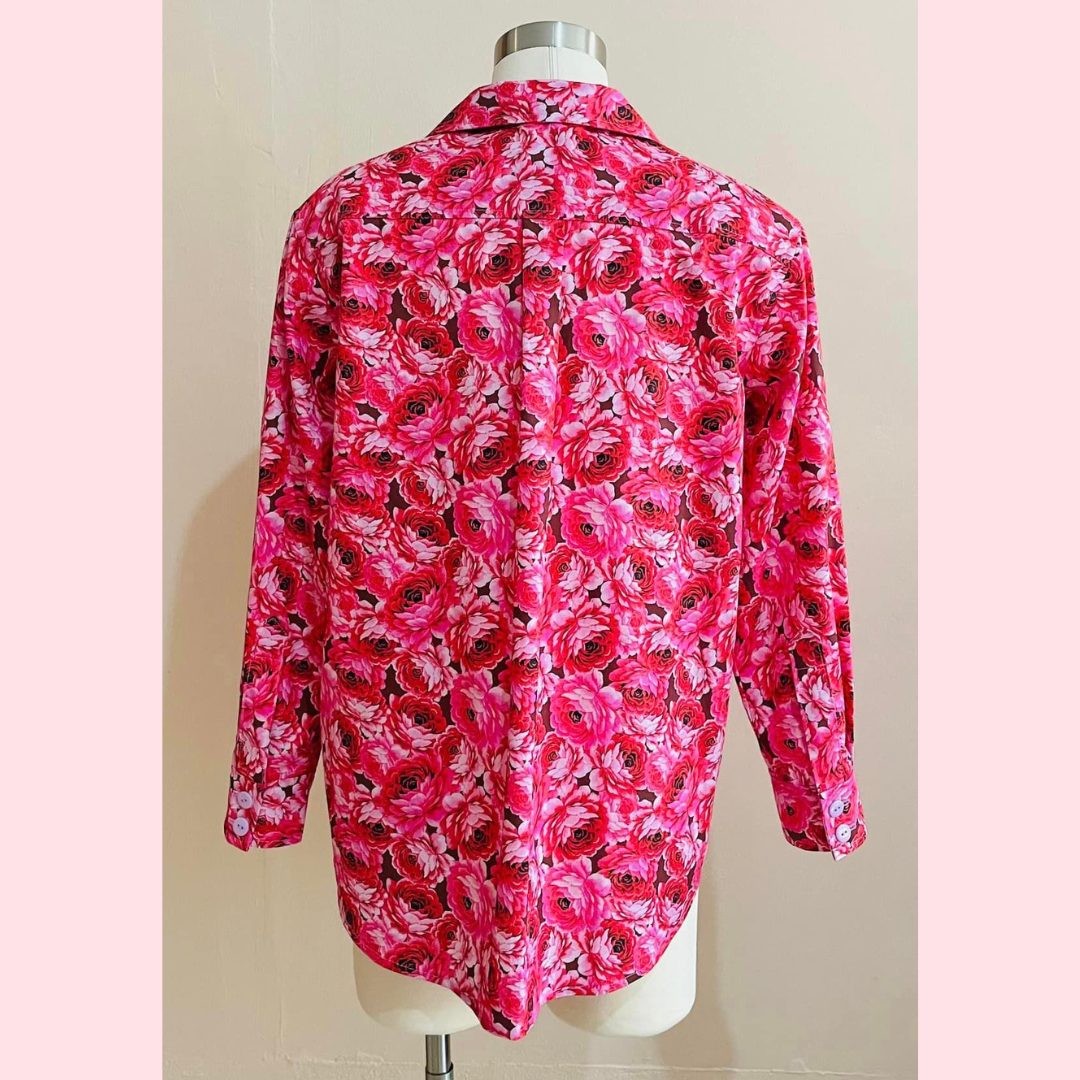
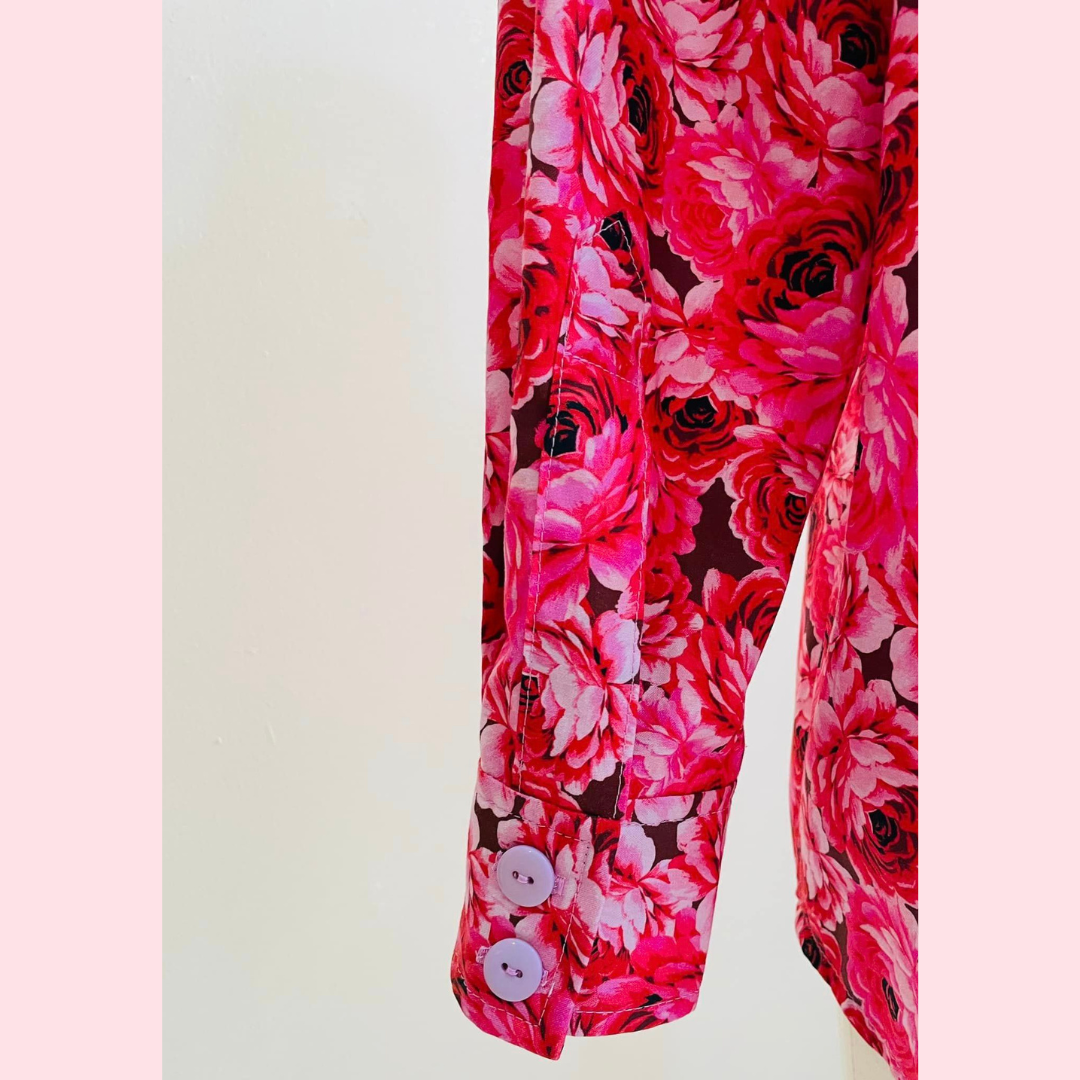
The Juany pattern is a loose-fitting shirt for women, with a shirt collar and yoke with a stud on the back. You have two sleeve options: view A has sleeves with flaps and cuffs, view B has short sleeves. I made view A.

The fabric I used was a 100% cotton floral print fabric, a lightweight flat weave, non-stretch fabric. I used lightweight adhesive interfacing according to the pattern pieces that called for it.

Size that I used and adjustments to the pattern before cutting the pieces

I made a size small and trimmed it 2 inches to shorten the sleeve length.

Sewing the Juany shirt

Sewing the Juany shirt was very entertaining, interesting and attractive, once I finished one step, I wanted to continue with the next. There was a balance between basic techniques and techniques at an intermediate level. Following the steps explained in the instructions and the video tutorial were key tools for making the pattern in an easy and simple way. Step #1 is very important, sew ⅜” from the seam allowance with a staystitch, the edges of the neck of the front pieces and the yoke so that you have a good finish when you are sewing the neck. The stud on the back is an easy step. The burrito method in step #5, rolling the front and back pieces towards the yoke and pinning the shoulders, is extremely easy. Step #7 is another key step when I was making the sleeve flap and you will see that you will not have any confusion. Following the order of the steps was very helpful for me, they are easy to follow and I was able to make the shirt from start to finish. It is very important to iron when in the steps it tells you to iron and always remember to familiarize yourself with the glossary of terms that are very useful when making your sewing project. 

The moment a project is completed the joy you feel and saying “I did it” is very rewarding and priceless. At Sirena Elite you keep learning, you learn sewing techniques and the correct way of doing things. 

Check out other club members creations!

Go ahead and sew your Juany shirt! Let out the creativity you have inside! The members of our club will learn to make the Juany pattern step by step. As a Sirena Elite member you have access to exclusive tutorials, one free pattern per month and more benefits. Join by clicking here.

Until next time!

1 FREE pattern a month

with your membership
1 FREE pattern a month
with your membership

I like to believe that sewing is a love language. It’s also chaos and order. It’s bond, community, freedom and creativity, mental health and wellness.  Examples of sewing as a love language are a grandmother sewing for her grandkids or a mother sewing for her kids. Any person sewing something for themselves it’s a love language, because making something that fits your body, perfectly, it’s a love language. Sometimes, it doesn’t even need to be something for yourself. Sewing for the pleasure of sewing is a great mood booster thus helping people cope anxiety and their mental health journey. However, I came across a different story. One that focuses on kindness, selflessness, grief, hope and babies. This is the story of Angel Gowns of Texas.

Diane Powers reached out to me in my search for sewing stories. She is the volunteer who leads Angel Gowns for Texas and she has been doing so for about four years. She started sewing when she took a home economics class in middle school and hasn’t stopped ever since. She used to make all her daughter’s Halloween costumes and does home décor. She loves creating custom items. She was so kind to share with me the story behind Angel Gowns for Texas and this is what she had to say:

“We take donated wedding dresses and sew them into angel gowns and wraps for babies that don’t make it home from the hospital. Our ministry of about twenty ladies, serves hospitals in the Dallas Fort Worth area. We operate our group out of a donated space in a local church. We meet once a month to sew, share and help each other. The babies that pass, will never attend a prom or wedding, therefore, our created look is formal to honor that child who passed from this world. All our gowns are fully lined so there is nothing rough that would touch the baby. We recently celebrated our third year and our foundress, Genita Selby. Genita had sewn with two other groups before starting her own in 2019. When covid hit, the ladies took the advantage of staying home to sew, so we were able to build our inventory to meet the need of the hospitals. We are currently serving 14 hospitals and groups who need our angel gowns for their burial clothing. In 2021, Genita moved to North Carolina and I was asked to take over the ministry. When a baby dies, there is much the parent’s don’t get control over. We supply the hospitals with two gowns and wraps in all sizes, so the parents get to select one that touches their heart. We refill the gowns as needed from the hospitals and we are able to meet that need within a 24 hour period. Our bracelet makers take the pearl beads off the wedding dress and string them into a bracelet for the mom as a keepsake. She then adds a large bead in various colors to represent the mom and our signature angel charm. All of the nurses that we deal with say it’s very comforting for the staff too, as they grieve along with the mothers the loss of the baby.

The nurses tell us that they deliver thousands of babies throughout their career, but they always remember the ones they lost. The parents who experience this tremendous loss, are comforted in the fact that their precious baby will be treated with dignity and respect with a small gesture of an Angel Gown.

Members of this group were also kind to share their experiences:

As you can see, making angel gowns not only impacts the parents, but the ladies who sew them as well. We can conclude love, comfort and healing are biproducts of the wonderful practice of sewing, affirming the belief that sewing it’s a love language. 

Until next time!

*Angel Gowns for Texas currently has a waiting list for wedding dress donations, and they are likely not going to open for donations for at least a year since they are able to make 10-15 gowns per wedding dress. *

1 FREE pattern a month

with your membership
1 FREE pattern a month
with your membership

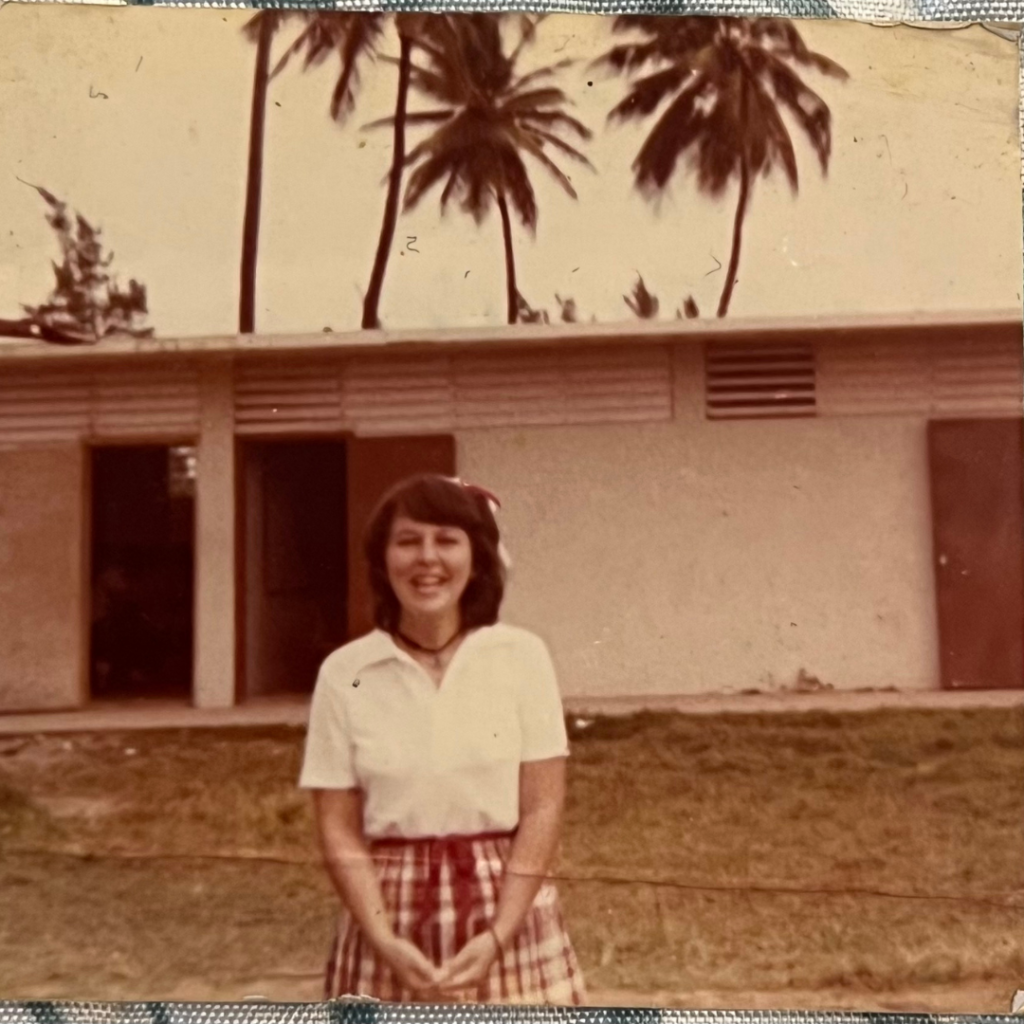
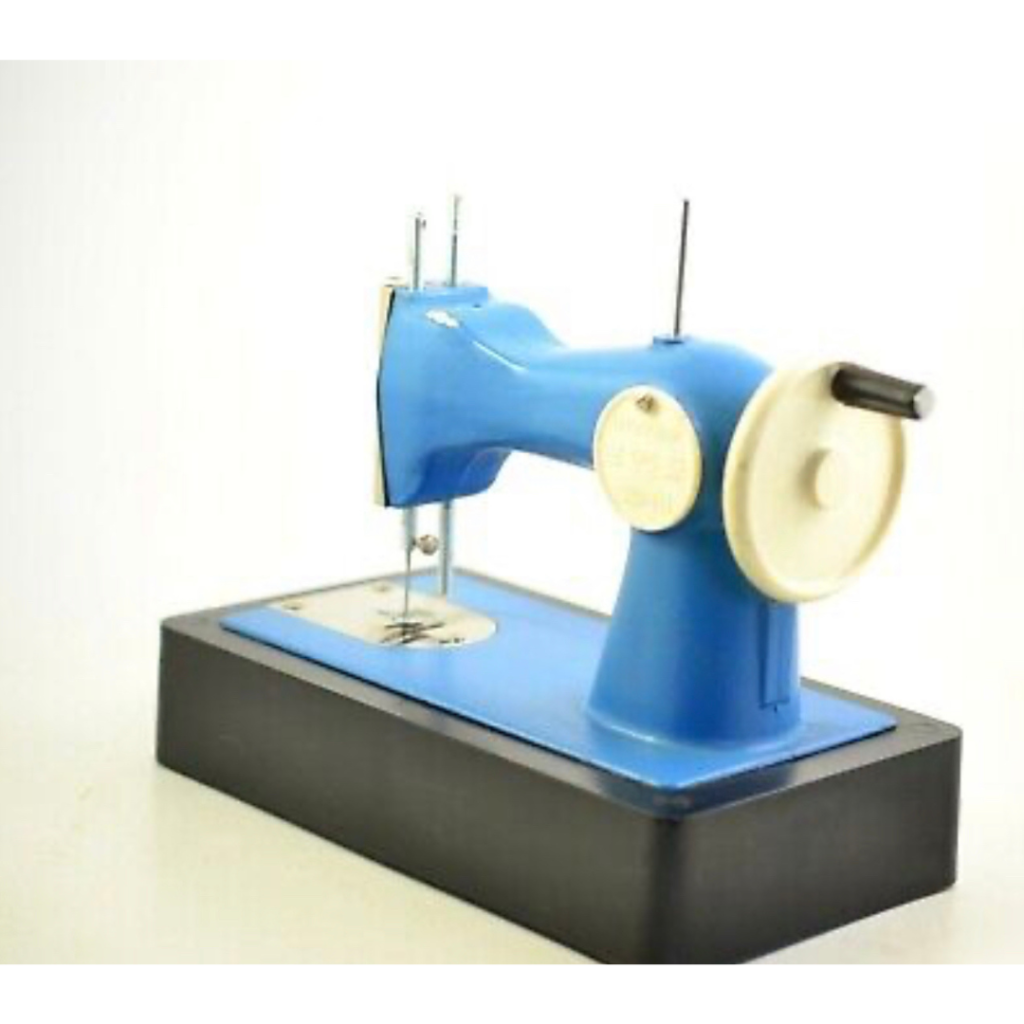
For as long as I can remember I have loved sewing.  I was about 7 or 8 years old when they gave me a toy sewing machine. I remember even the store where they bought it, La Alhambra.  It was my favorite toy along with barbies and paper dolls.  My other friends had store bought dresses for their barbies; I made them with what I found.  Since I was little, my mom taught me to love sewing even when she didn’t sew with a machine.  With her I learned to give my first hand stitches.  She always regretted not having learned to sew with a machine and did not want it to happen to her daughter. Another thing that influenced my taste for sewing was that my childhood was spent in the Matojillo sector of the Abra Honda neighborhood of Camuy, where most women sewed.  The little blue machine was my favorite toy and my favorite people were the seamstress.

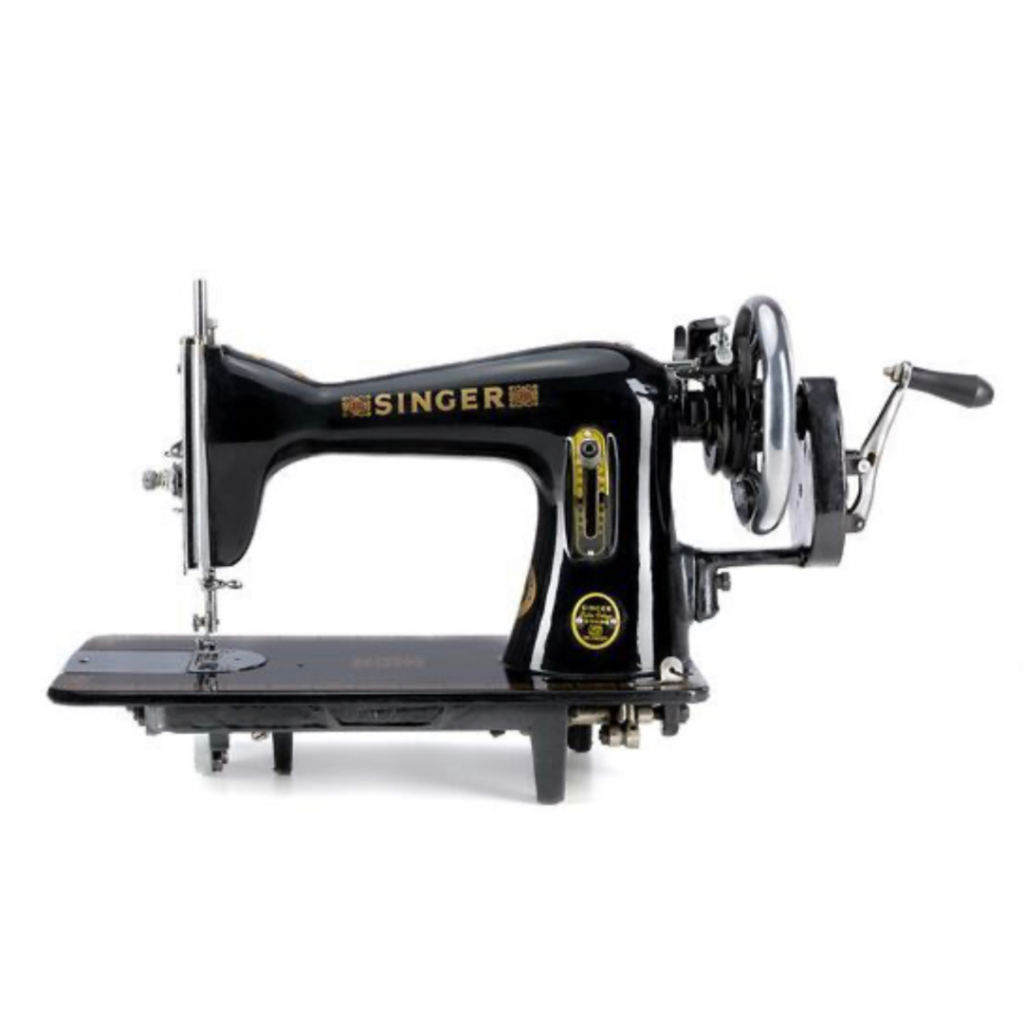
I made my first stitches on a domestic sewing machine at about age 13 in a black Singer from one of my older cousins.  She worked in a sewing factory and taught me a lot about sewing.  My eighth-grade home economics project was done on that machine.   I got a B and I got very angry but then I realized that many of my classmates who got an A, their project had been done by someone else.  I was proud of my line skirt that had elastic and zipper.  From then on I made my school uniforms.


Later when I was in 9th grade my dad, seeing that I liked it so much, bought me a used machine. It was also blue and cost him $35.  With it I continued my adventure of sewing. I don’t remember the brand, but I do remember how happy that gift made me.  I was happy making my clothes and buying fabrics in the local fabric stores.  My savings always ended up in buying fabrics and sewing notions. I even made my friends’ clothes and I also made my graduation clothes.

A few years after that machine, my dad gave me a Kenmore that had 6 types of stitch and that he bought at Sears in Arecibo.   I was already in high school.   He took me to choose it and told me how much I could spend.  When I entered college, every week I wore new clothes.    With that machine I sewed until I was 21 years old.  One day, our home was broken into and they  stole several things, including my Kenmore.   I was already studying in Río Piedras and when I went home for the weekend, I found the unpleasant surprise.  My mom hadn’t told me anything and told me when I arrived.   You don’t know how much I cried. Sewing was my refuge to lower the stress of studies.  I saved money from what I was given to study and it didn’t take long for me to buy another one. After that machine came several more, there has never been a point in my life where I haven’t had a sewing machine.  Sewing has helped me in many aspects of my life.  In my childhood and adolescence, I developed patience and persistence, fine motor skills, learned a skill, made friends, helped me with English, and many more things.

Sewing is my refugee

In adulthood, sewing has accompanied me in the happiest moments of my life and has been my refuge in the most painful moments of my life. I made my clothes for almost every party and activity I went to.   She accompanied me during my wedding because I sewed my bridal dress.   It allowed me to help friends and family who needed to repair clothes.   But when it has helped me the most is in moments of loss.  My parents both passed away in 2016.   My dad died at age 95 of a heart attack, but it was unexpected.  At that time, I wasn’t sewing as much but I remember I started sewing more.   Later that year, my mother died at the age of 89.  Although her passing did not take me so surprisingly because she was hospitalized for a week, it was very hard.  My refuge from the loss of my parents, outside of God, my husband, family and friends and work, was sewing.   Sewing reminded me of happy moments with my parents.   My mom always talked about her daughter sewing, making her proud.  My dad was the one who gave me my first sewing machines, which allowed me to learn and enjoy sewing.

After my parents passed away, life took a 360-degree turn on me.   On April 28, 2019, my husband at 54 years old suddenly passed away from sleep apnea.  That year we celebrated 25 years of marriage.   That’s when I took refuge in sewing the most.   I had been left alone in a big house and without my soulmate.  I can’t say that I had no support from anyone, my family, friends and work group supported me in that painful moment, but in loneliness, outside of God and my dogs, sewing was what kept me standing.

Sewing has always kept me learning.  However, what I had learned about sewing after my home economics class I had learned with books and tutorials and from my own experience, «trial and error».    Many times I thought about taking sewing courses with a professional and my husband always told me, «Isabel, do it» but never did.    That was true until 2020.  In 2020, less than a year after my husband’s passing, the total lockdown came due to the COVID pandemic. In other words, we had to be home 24 hours a day. Sewing kept me out of madness.    At that time, I started subscribing to more YouTube sewing channels and Facebook pages.    And guess what, I found Tommie Hernandez’s page with her tutorials, the best, a Boricua and with an Online Sewing Academy.  That’s how I enrolled in several courses at the Academy. With the courses, even if you have been sewing for many years, you learn new techniques and the right way of doing things.  When the club opened, I was among the first to enroll. Sirena Elite is something else, unique in PR.  In it you not only learn sewing, but other crafts and entrepreneurship.  Not only does the club help you with sewing, but you meet other people who have the same passion for sewing as you.   The sewing community is wonderful, everyone supports and encourages you. Check out what some members have to say about their love of sewing:

Sewing relaxes, distracts me, and focuses me.   That’s why sewing will always be in my life.  In this month of love, give yourself love and give yourself a subscription to Sirena Elite, you will not regret it. 

Until next time!

1 FREE pattern a month

with your membership
1 FREE pattern a month
with your membership

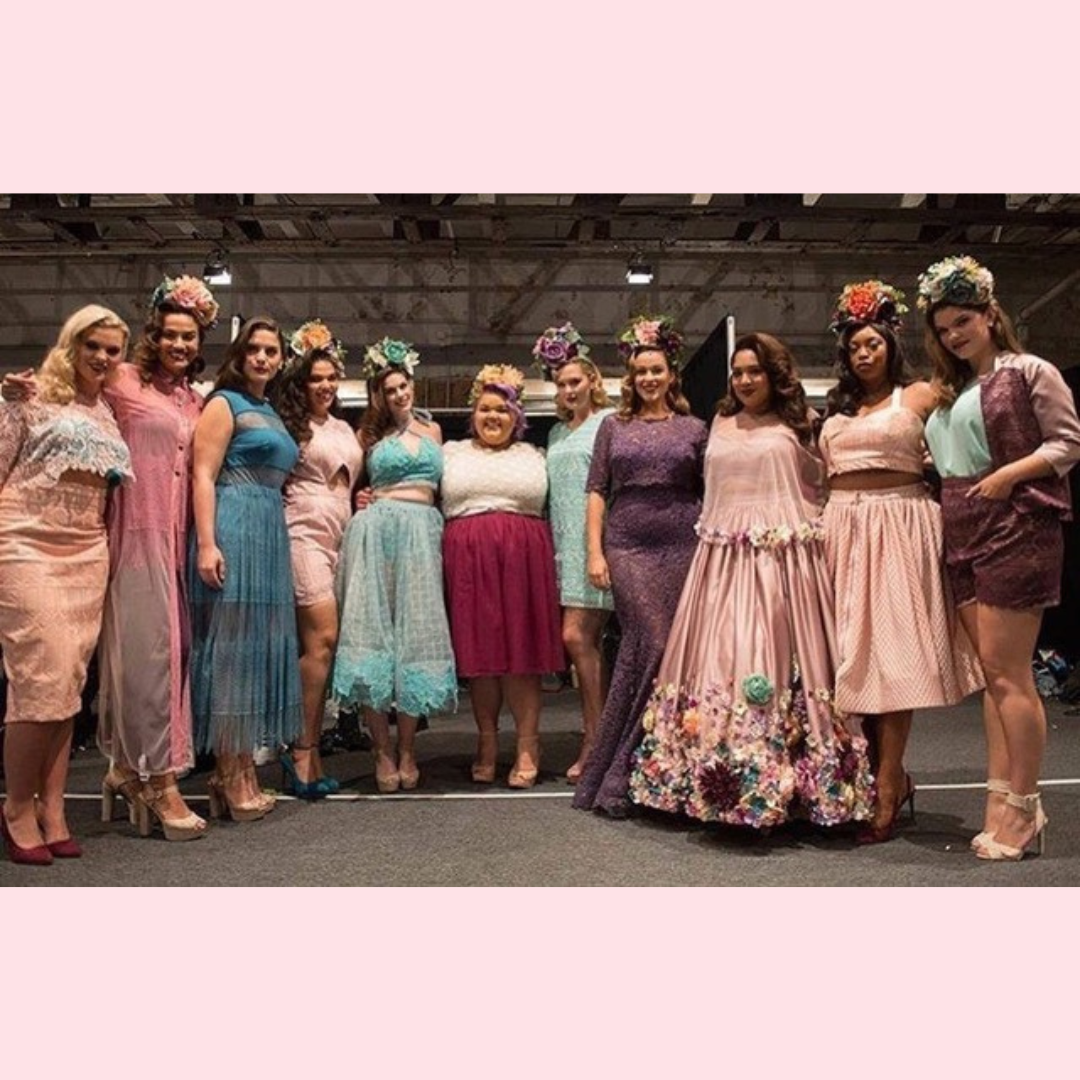
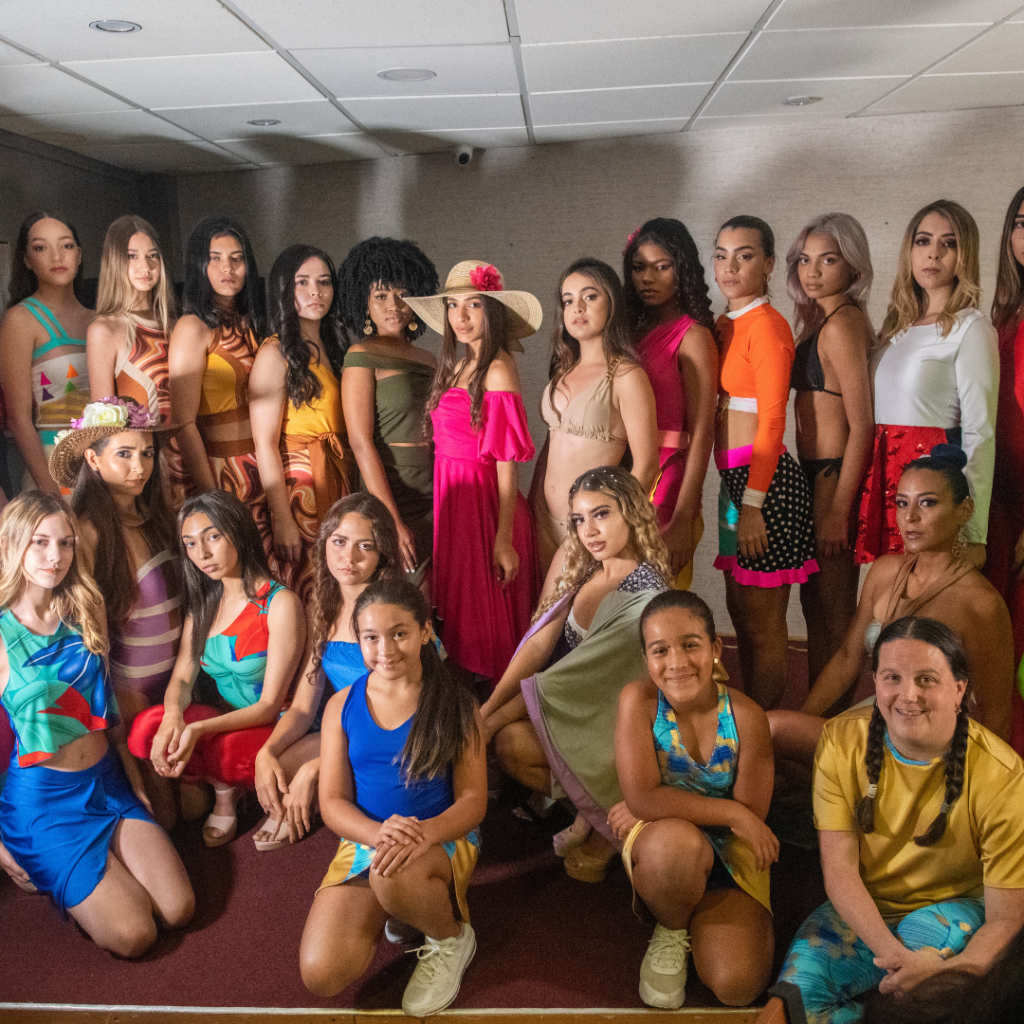
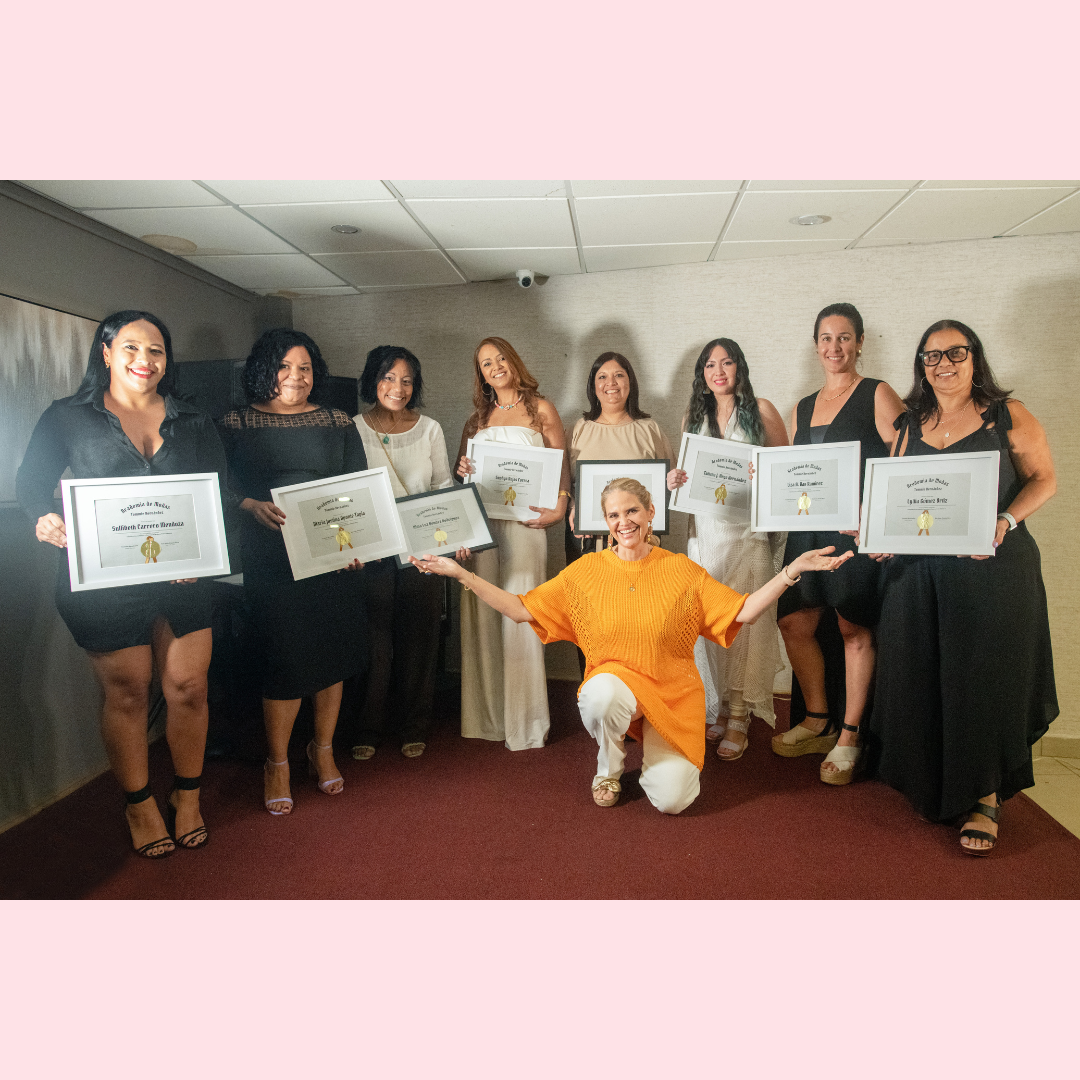
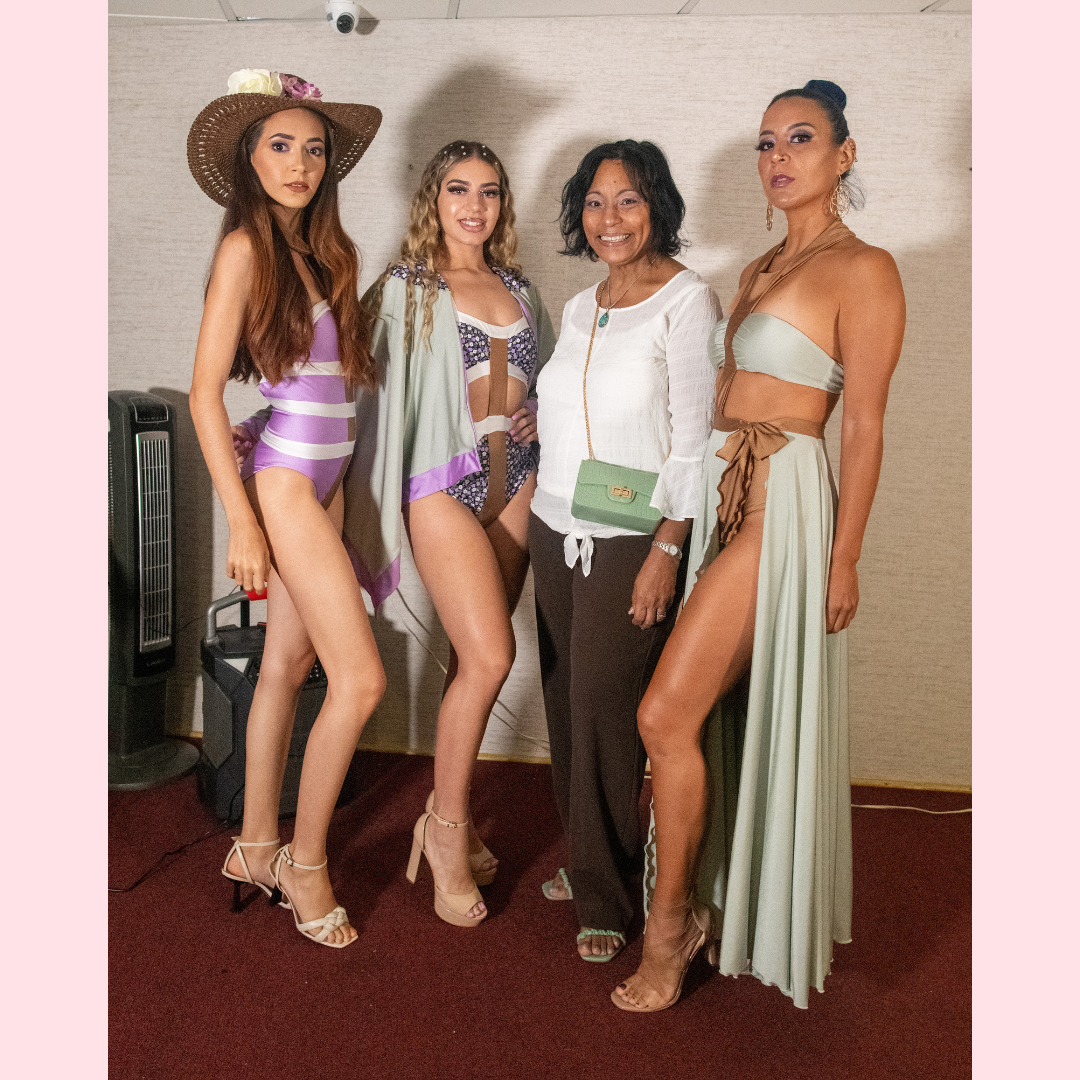
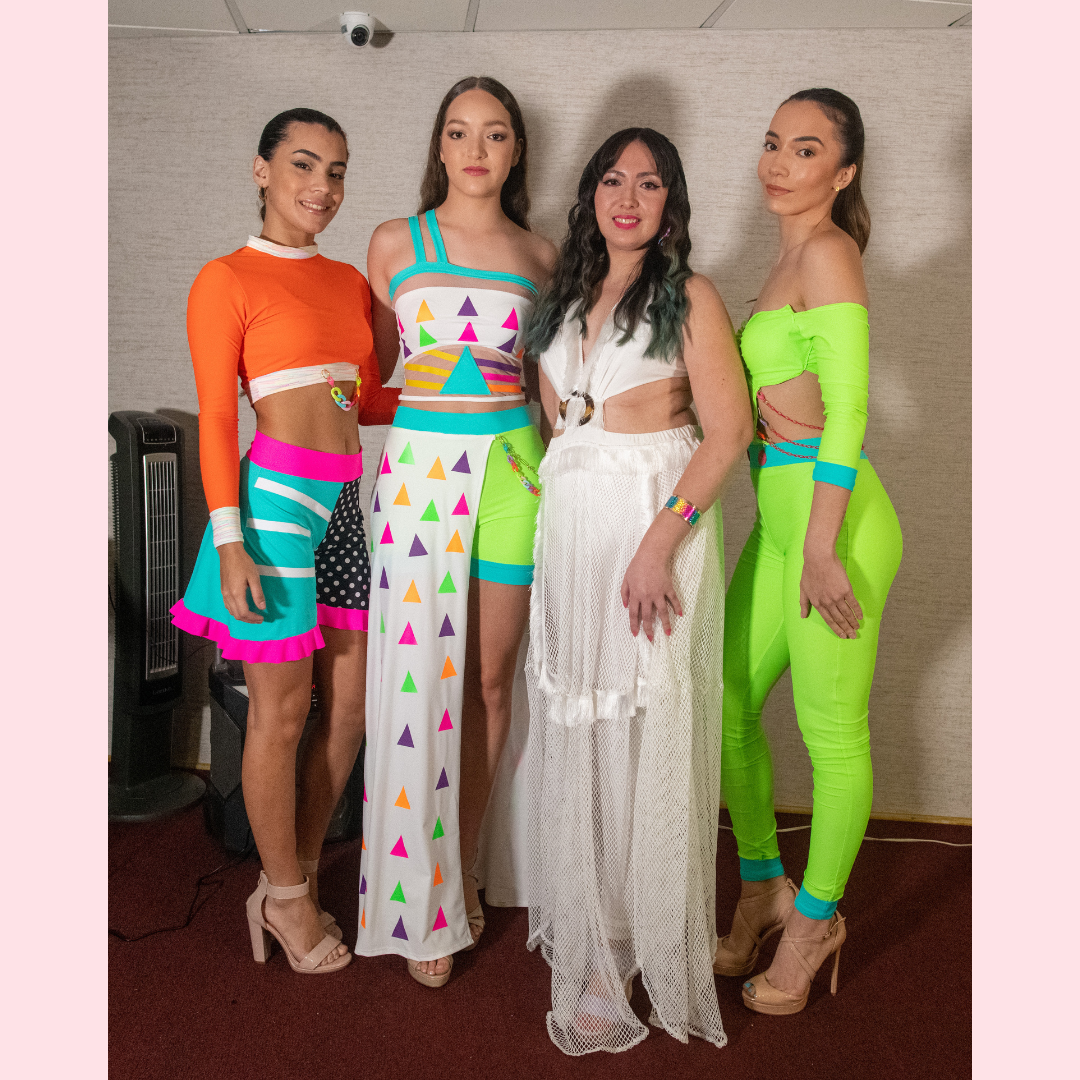
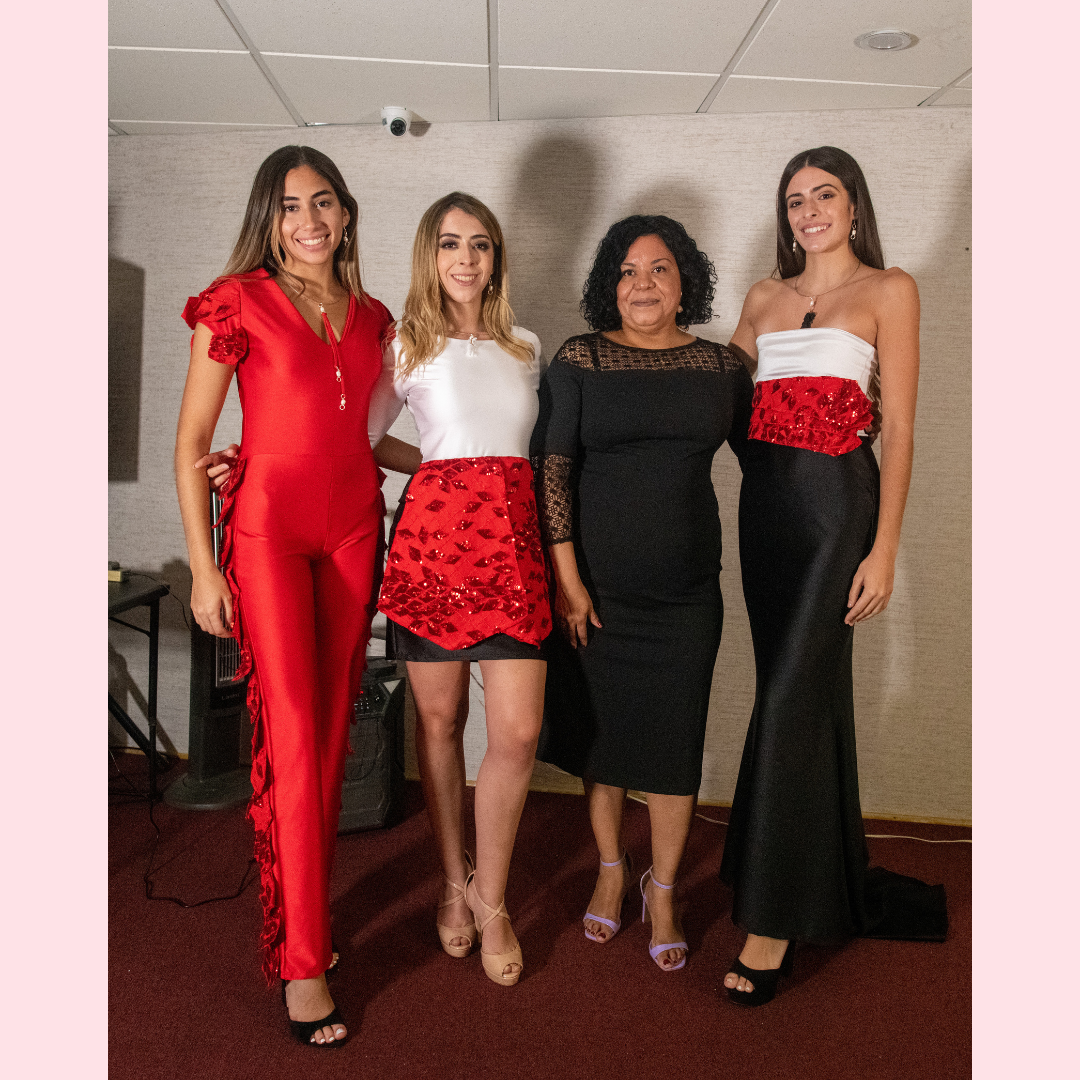
Last June, the third class of he Certification in Elastic Fabrics Clothing Design and Pattern Making of Tommie Hernández’s Fashion Academy graduated.The event took place at Entre Tapas Restaurant and was animated by the top model Aideliz Hidalgo. For this event, each student designed and made a mini collection of three outfits, each inspired by a different theme. The diverse collective fashion show of ready-to-wear clothing included swimwear, sportswear, casual and smart casual clothing.  The mini collections of the students Sophya Rojas Correa (“Resplandece”), María Enid Rosa Montañez (“Cafetea”), Liza A. Bas Ramírez (“Free Sailor Bas”), Lydia Gómez Ortiz (“Tropical”), Alma Luz Benítez Rodríguez (“Sanación”), Sullibeth Carrero Mendoza (“Aura”), Tatiana J. Vega Hernández (“Prisma”), and María Justina Aponte Tapia (“Corbatas”) were presented in that order by models from the agencies: ArteMorfosis PR, Element Models, Krone Models, Óptima Model Management, and Passarella by Aideliz. The inclusive fashion show also had the participation of two young tennis promises and the swimmer Cristina De la Vega, gold medalist of the 2019 Special Olympics World Games.

In addition to the Certificate obtained by each student, designer Tommie Hernández presented three special prizes. The first prize was awarded to Alma Luz Benítez, with her “Sanación” collection, inspired in transforming the work “La Columna Rota” by Frida Kahlo into a restored column. The second prize went to Tatiana J. Vega, with her «Prisma» collection, inspired by the prism and the colors into which white light separates when it passes through this object. The third prize was awarded to María Justina Aponte with her “Corbatas” collection, inspired by the red scarves that women tied to soldiers around their necks before leaving for the 30-year war. Alma Luz also won the “Editorial Look” Award awarded by the photographer Betzaida Pagán from Celebrate Creative Studio 

This certification in stretch fabrics clothing covers design, pattern making, tailoring, fashion illustration, collection development, fashion merchandising and more. It is offered online through pre-recorded videos that each student completes at their own pace. The students also participated in virtual meetings in which they presented their collections, and received input from both Tommie Hernández and her other classmates. They also visited Tommie Hernández’s workshop to review their final patterns and select the models and fit their garments. In this class there were students from different parts of the island and abroad. Students who were unable to visit the workshop due to distance or other commitments were able to do their pattern review virtually and were able to mail in their pieces to be fitted to the models.

Lydia Gómez, a resident of the state of Virginia, completed her certification while still residing outside of Puerto Rico and indicated that «I never saw distance as an impediment. At all times Tommie and her staff were willing to help me when I had any questions, doubts or needs.» 

«Distance is not an impediment to meet a goal; whomever sets out to do something can achieve it» states Tommie Hernández, founder of academiademodas.com, the line of sewing patterns Sirena Patterns, Sirena Magazine, and the Sirena Elite sewing club, a virtual sewing club in which its members receive exclusive tutorials, discounts, one sewing pattern per month, virtual meetings and other benefits. For more information visit www.clonesirena.somosriu.com

Until next time!

1 FREE pattern a month

with your membership
1 FREE pattern a month
with your membership

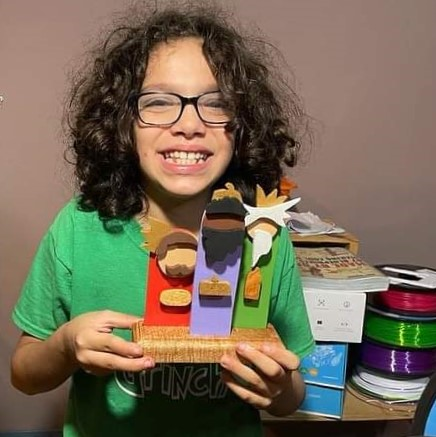
The wonderful connection between a father and his children in Talleres de Marquesina

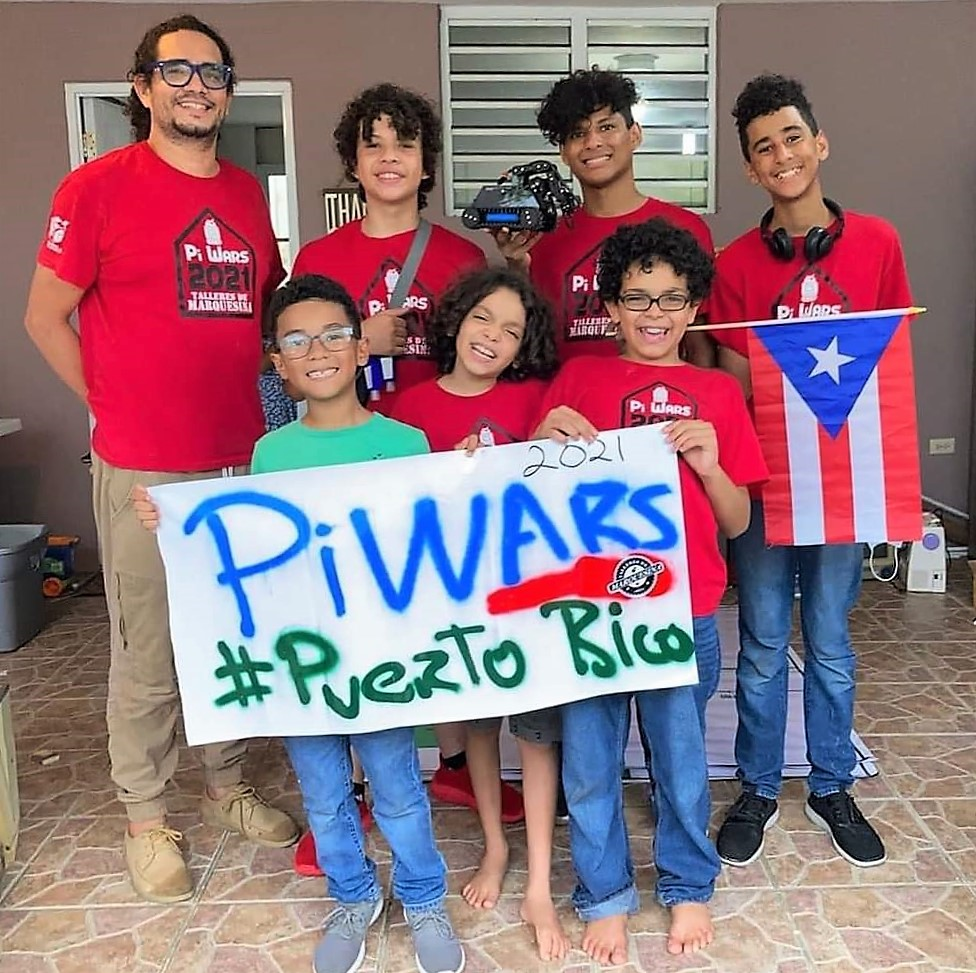
Alex Martínez, Yulliane’s husband and father of Ian (12), Lucas (10), and twins Elías and Lia Stella (5) is originally from Jayuya, Puerto Rico.  He is a geologist, teacher, maker, and a fan of learning new things. Currently, Alex is the computer teacher at Academia Cristiana Catacumba in Añasco.  In 2017, he established Talleres de Marquesina in his garage in Añasco.  Let’s meet Alex!

Have you always been passionate about creating things?

I have always loved science, inventing, and using tools to either make things or take them apart.

How did Talleres de Marquesina come about?

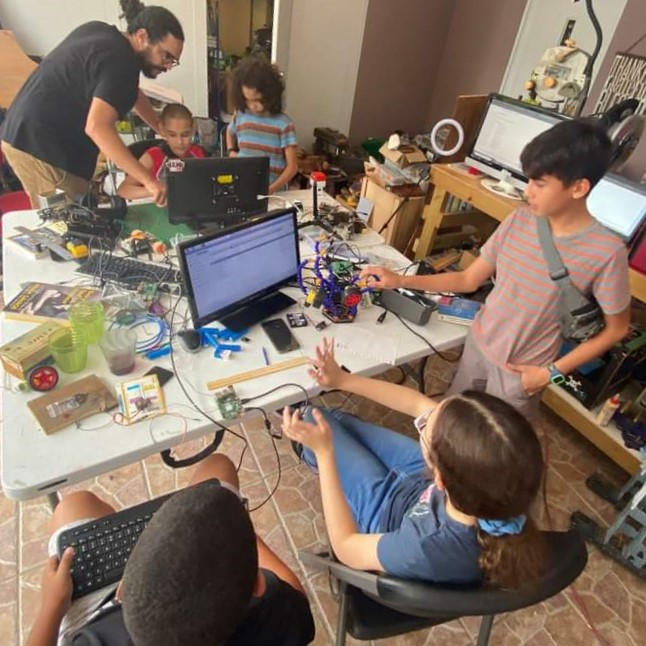
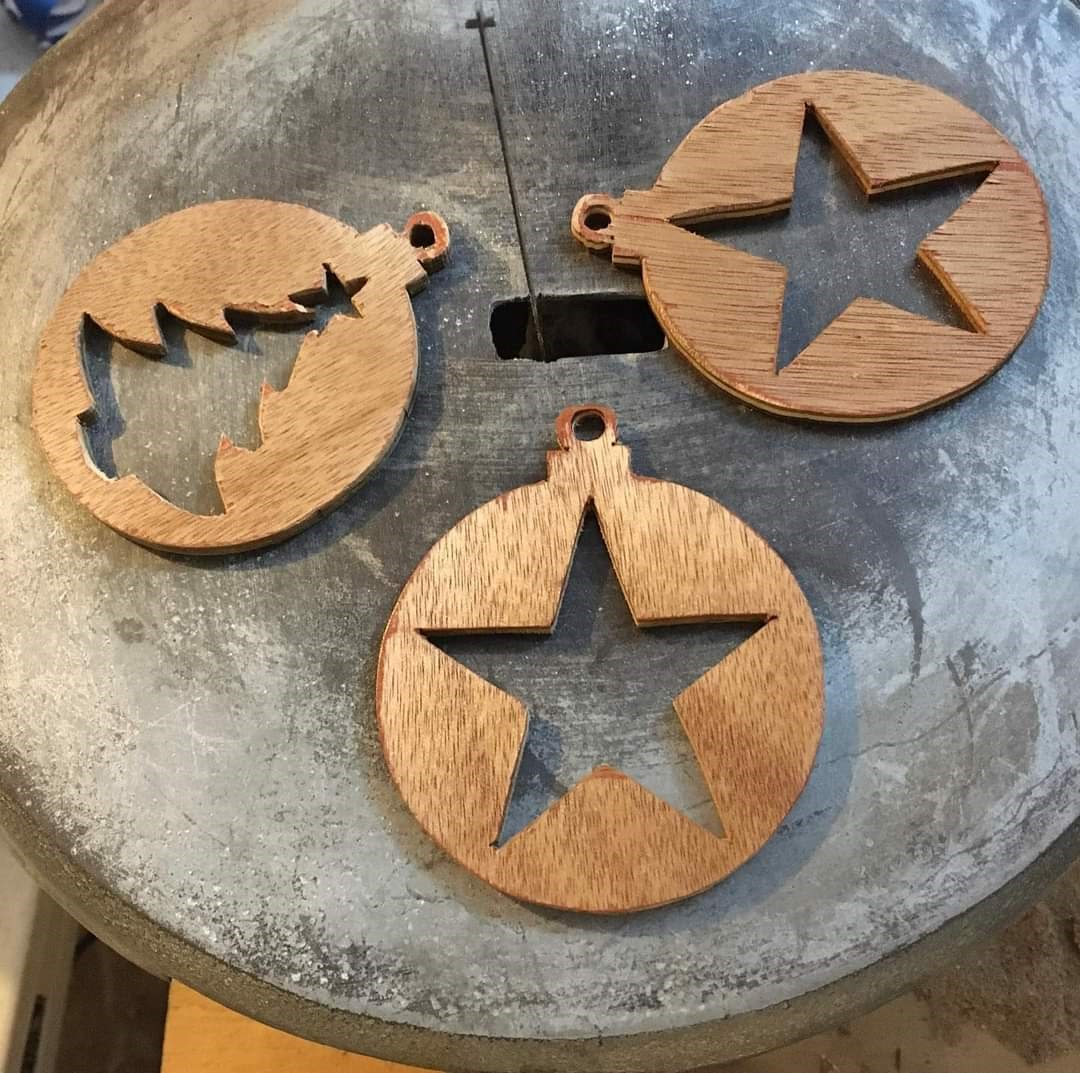
Prior to 2017, I was working on creative technology projects with Makerspace Puerto Rico and on the creative parenting project Inventos de Papá. However, these were halted in 2017 and we started Talleres de Marquesina at home as a creative space, in which I, as a father, invest time with my children to further develop our father-children relationship. My wife fully supports daddy investing time with the kids. We talk, learn, and create things together, either with our hands or with tools. Most of our tools were donated, repaired, or bought second hand. I teach the kids how to use  the tools, their dangers, and the necessary precautions to avoid damage. And, although the garage is our creative space, we sometimes explore other environments and people to expose the kids to different ways of working. For example, wood can be worked digitally or by hand, I like them to see both.

Where do project ideas come from?

We work on diverse projects that require different types of materials and techniques. Some of the projects are purchased kits, others come from our imagination, and others are requests from my wife. Sometimes we also offer formal workshops which we open to other dads and their children.

Why is Talleres de Marquesina on social media?

We are on facebook and instagram as Talleres de Marquesina to motivate other dads to create with their children, talk to them, and take their father-children relationship to another level.

How did you become a computer teacher?

Although I studied geological sciences, I learned computer programming basics in college and then continued to learn on my own. My wife and I presented a proposal and obtained computers for our children’s school’s computer laboratory. I envisioned that laboratory as a non-traditional, interactive, creative space. Since I was unemployed at the time and had the knowledge, the school hired me to make that vision a reality.

How did you get into robotics?

My curiosity led me to search, read and learn about robotics. In 2016, I got certified as a Raspberry Pi teacher (programming, robot, and electronics). Last year we put together a team of homeschoolers, including my two eldest children, to participate in Pi Wars, a UK-based, global robotics competition that uses a Raspberry Pi computer as a controller. Last year we obtained second place in the novice category. We are currently preparing for this year’s competition.

How did sewing get to Talleres de Marquesina?

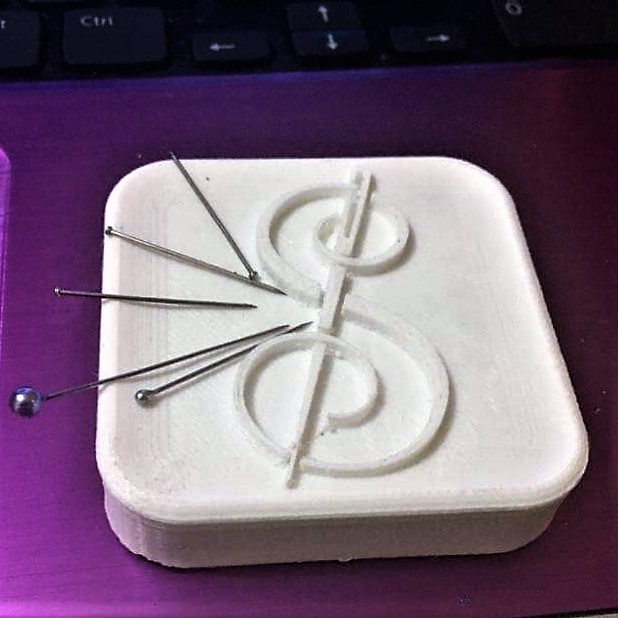
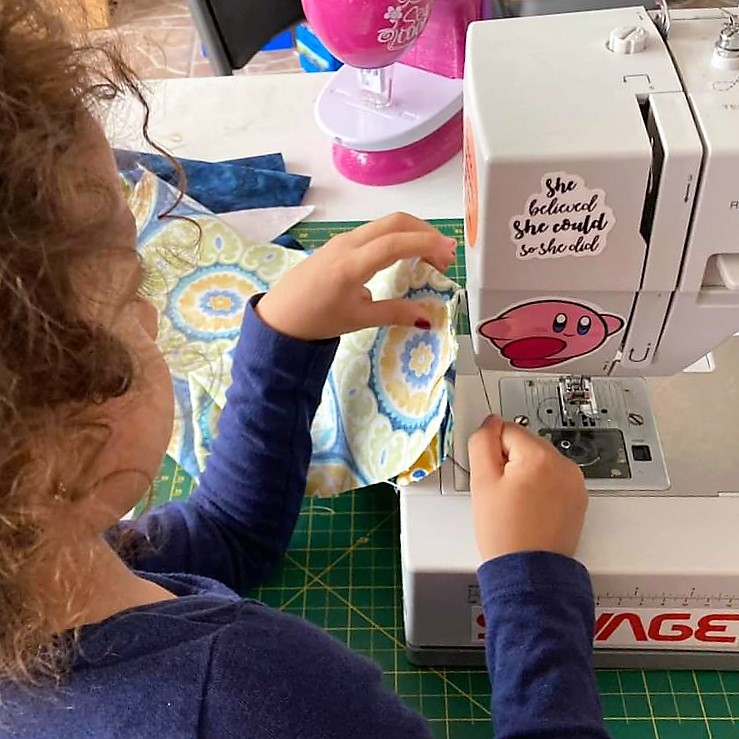
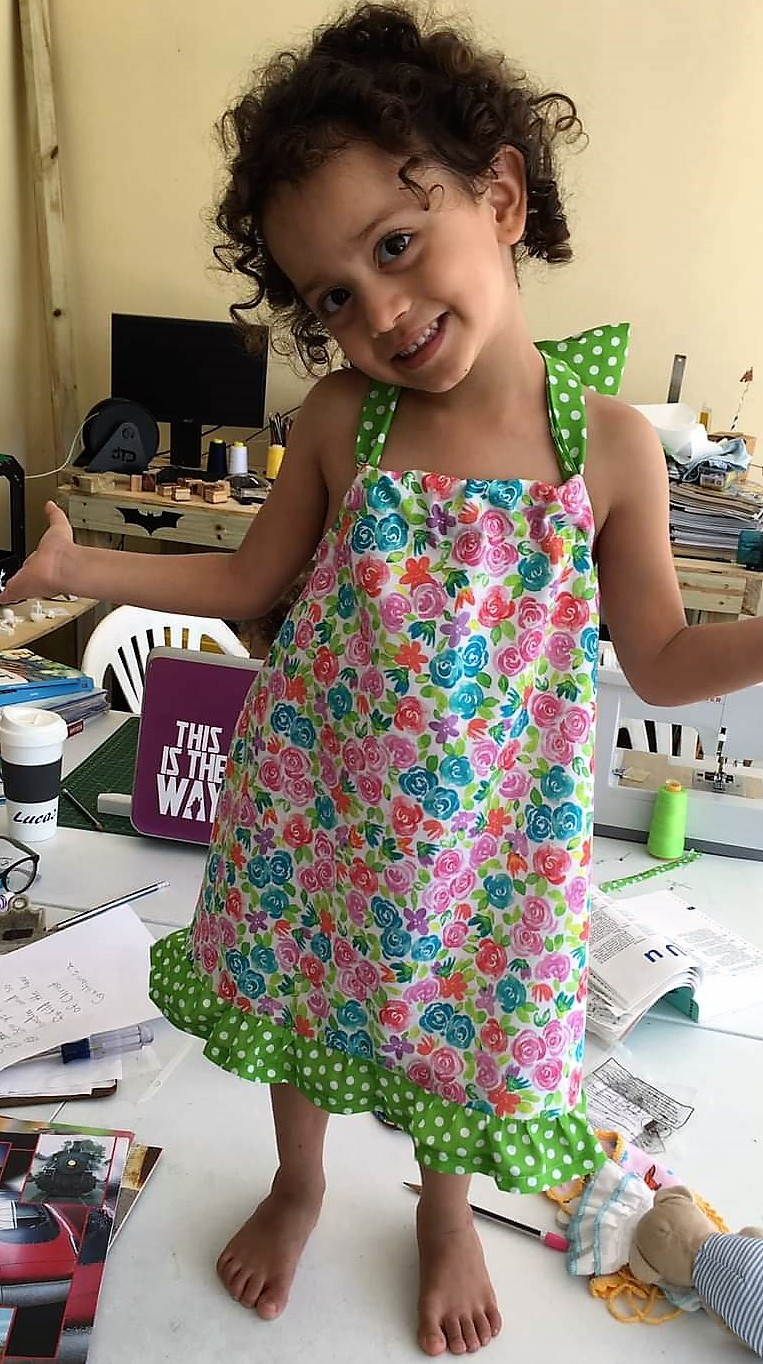
As with robotics, one day I decided to learn how to sew. I bought a machine, I watched tutorials, I found Tommie Hernández’s Sirena Patterns facebook lives, and enrolled in her course “Aprende a coser”. We have done bags, face masks, puppets, bow ties, and a dress for my girl.  In addition, I have 3D-printed bias tape makers, magnetic pin holders, and buttons.

What do you like the most about Talleres de Marquesina and what legacy do you want to leave behind?

I like being a dad and leaving memories; that my children remember the things we did together and the time we shared. The main legacy is that it is possible to «create family by doing things». Second, that the model gets replicated by other dads seeking to have experiences with their children and thus help to rescue the dad-children relationship. Third, formalize Talleres de Marquesina as a non-profit educational organization to expand its reach in society.

What other message would you like to share with our readers?

Don’t limit yourselves to what you know. Explore other topics, you will learn concepts you did not know and, suddenly, you will discover a new world full of alternatives and applications, as has been my experience with sewing. 

Thanks to Alex for his time and for sharing Talleres de Marquesina with us. Surely, his children will value and cherish their relationship and experiences forever. Please support Talleres de Marquesina by visiting and sharing their social media with other dads. I hope other dads are inspired to elevate their relationship while creating with their children!

Dare to sew a men’s T-shirt! Our sewing club members will learn how to sew the Victor pattern step by step. As a Sirena Elite member you have access to exclusive tutorials, a free pattern per month and additional benefits. Join by clicking this link.

Article written by

María Enid Rosa
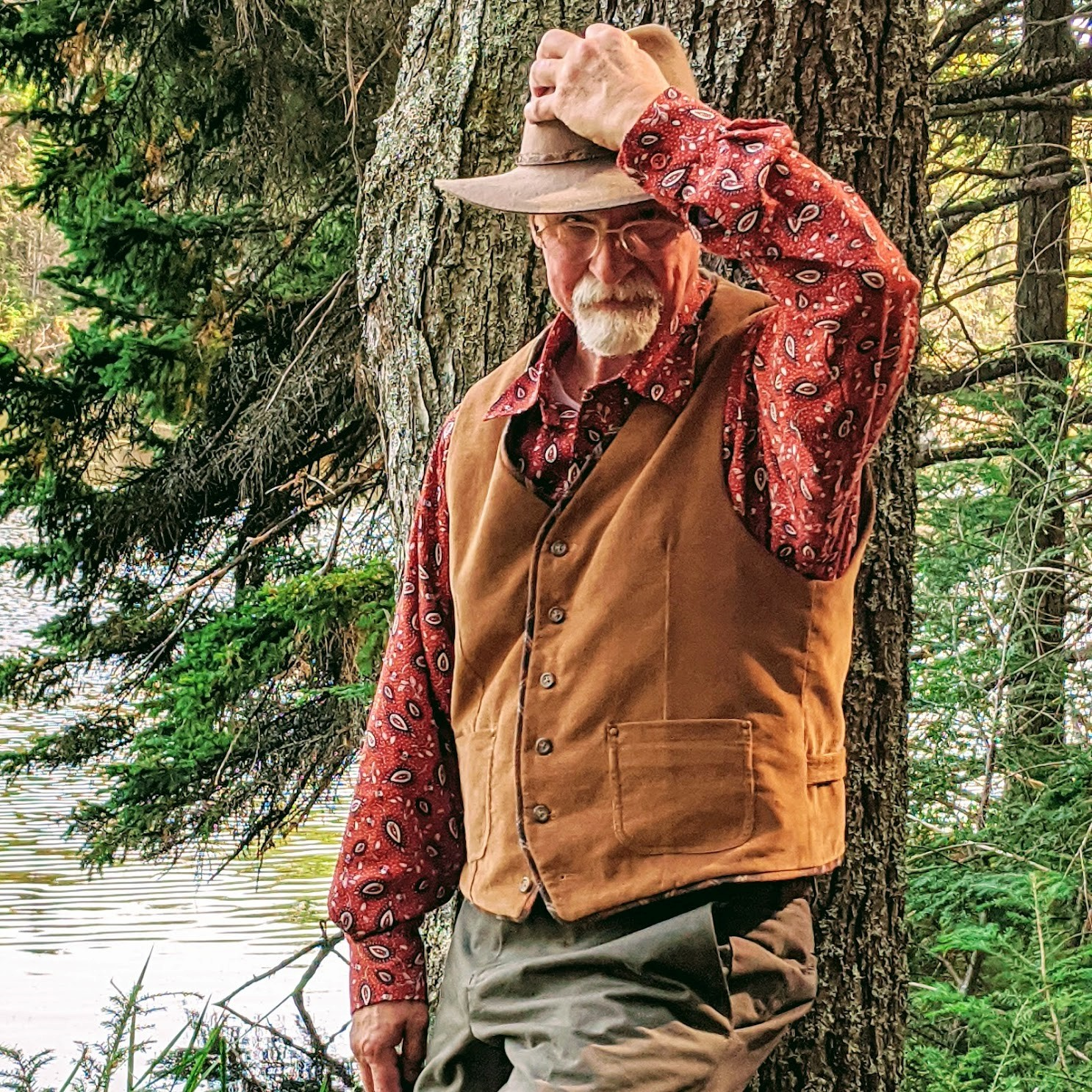
Making the clothes he really wanted to wear

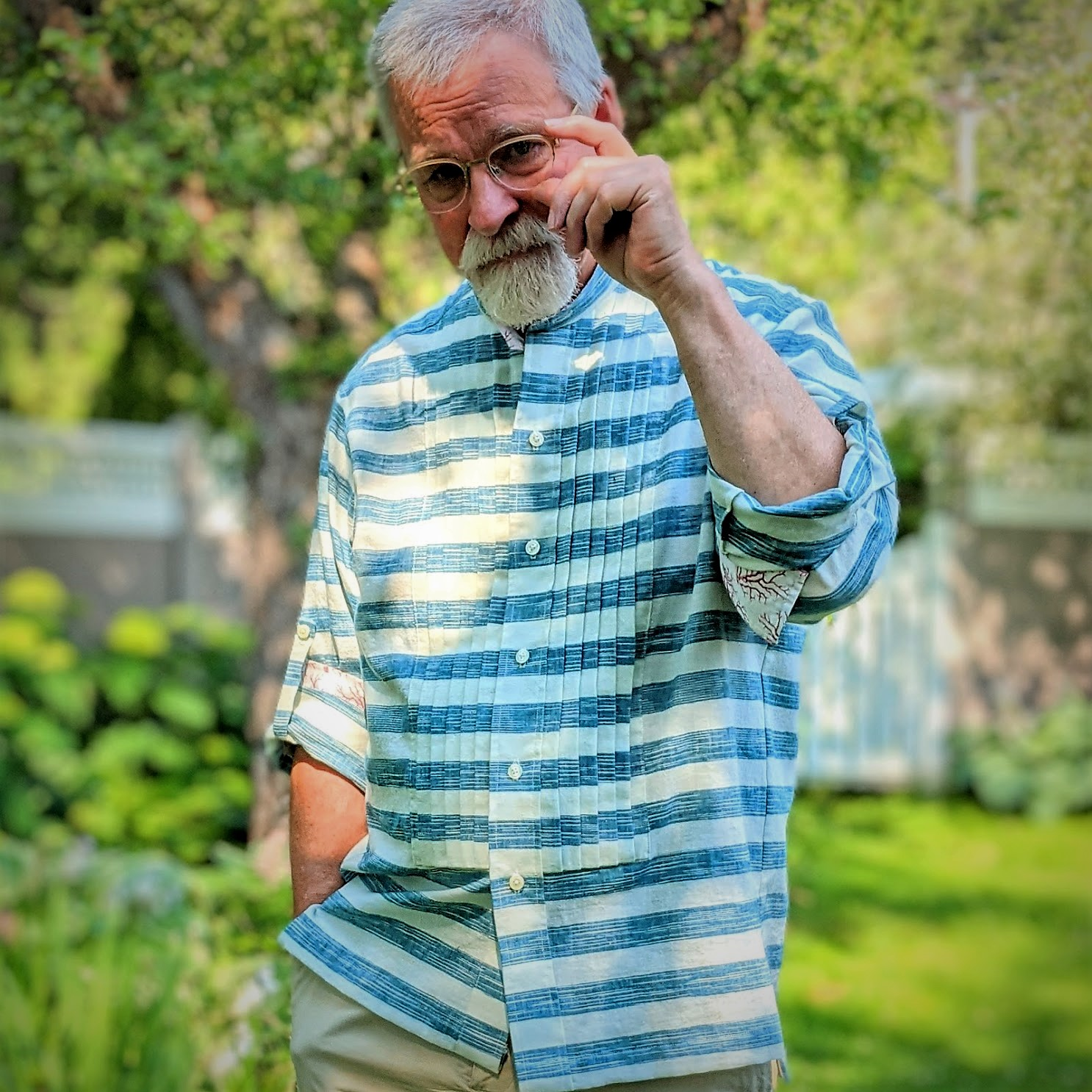
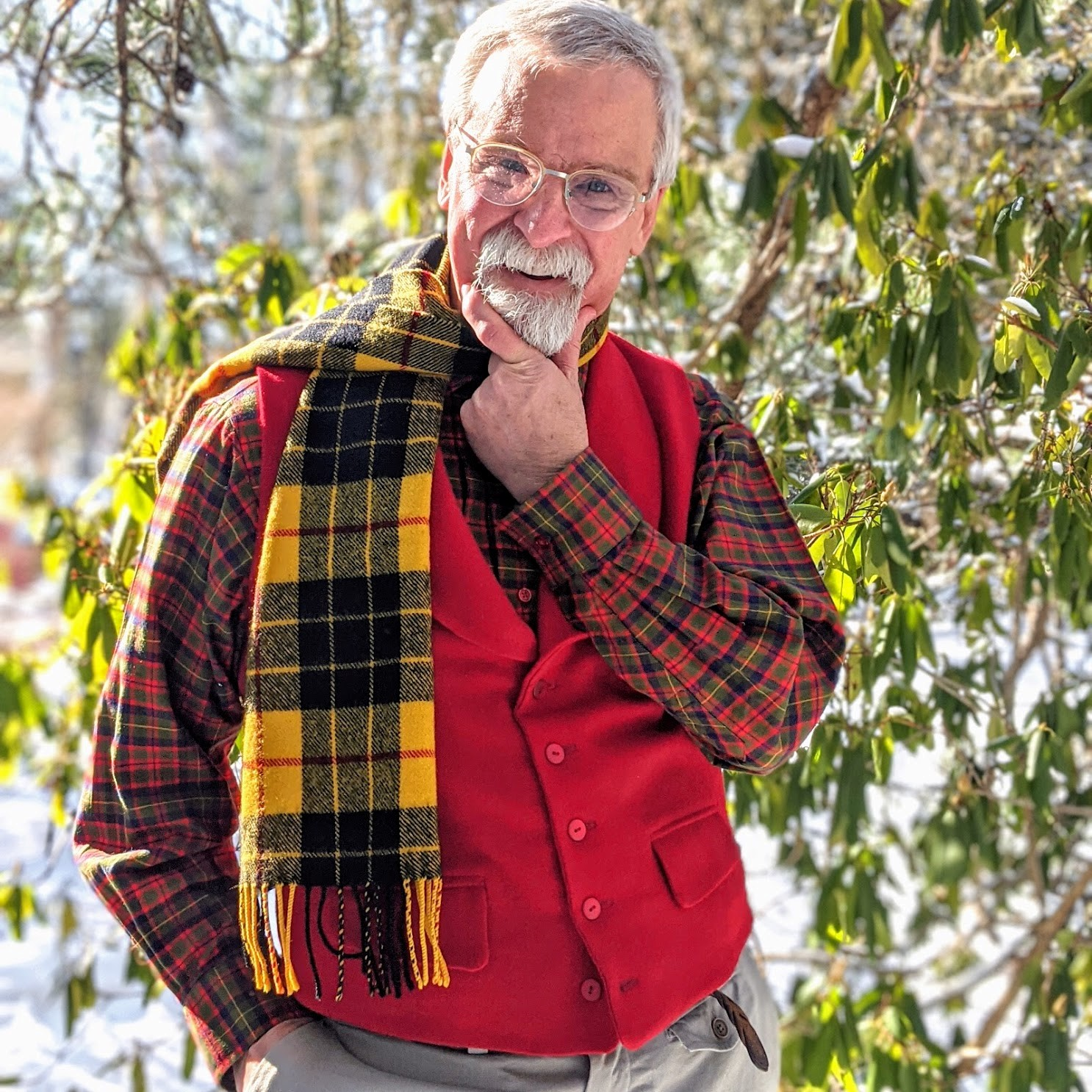
This month we want to showcase the inspiring sewing journey of Duane MacLeod. Duane lives in Maine, USA and is a father and a grandfather. For 11 years he has been sewing his clothing with his personal style. Let’s meet Duane!

Do you sew as a hobby or do you own a sewing business?

I am strictly a hobby sewist and sew primarily for myself. I enjoy using (and repairing / rewiring) vintage Singer sewing machines.

What type of menswear do you make? Do you have a preferred type of garment?

I am mostly a “woven fabrics” sewist. I love making outerwear, especially coats for our long cold Maine winters.  Lately I’ve been making waistcoats as they’re a stylish way to wear an extra layer.  Since they require very little fabric, I’ll splurge on a fabric that I might normally talk myself out of.  

When did you learn the basics of sewing?

I learned the basics of sewing in the early 70’s, when I was in college.  Our student apartment needed curtains, so I learned to thread a machine and sew a straight line.  That led to lots of DIY projects over the years, making slipcovers and upholstering old furniture.  I didn’t consider making clothes until my daughter went to art college as a textile design major.  

How did your menswear sewing journey start?

While scrolling through Etsy, I was drawn to a trench coat on the cover of the Japanese sewing book Mens Coats by Shimazaki.  I ordered the book and decided to make the duffle coat because it looked the easiest.  I followed the step by step illustrations, and the coat slowly came together.  At the time, I also discovered the website Pattern Review and, when I needed advice, other sewists in the community were so generous in answering my questions.  After making that coat I was hooked, so I decided to make all the coats in the book!  The coats led to other menswear: shirts, trousers and tailored jackets.  

How do you describe your style?

My style is “traditional with a twist”.  I work with conservative silhouettes that are personalized through the use of color and fabrications.  I love having clothes that no one else has.  It’s truly my superpower.  One of my sewing “goals” is to encourage more men to find their own superpower by making the clothes that they really want to wear. 

What makes your sewing stand out?

I am not a perfectionist, but I strive for the best results I can obtain.  That involves making lots of muslins / toiles, and practicing new techniques before attempting them.  I work slowly and baste a lot.  I’m never in a hurry to finish a project.  I just take it step by step.  If I’m tired or frustrated, I walk away.  Sewing this way has been key to my sewing success.  I call it “results sewing”.   

What patterns do you use?

I often work from vintage commercial patterns from the 50’s and 60’s, that I find on eBay or Etsy.  Indie patterns are also great for more contemporary designs but there are very few current menswear patterns.  

Who has inspired your sewing the most?

My sewing hero is undoubtedly Peter Lapin and his blog Male Pattern Boldness. No one has done more for the male sewing community.  I also participate in the Instagram community of @Sewover50.  It’s a wonderful source of inspiration, and increases visibility of older sewists. 

Which are your most memorable makes? What makes them special?

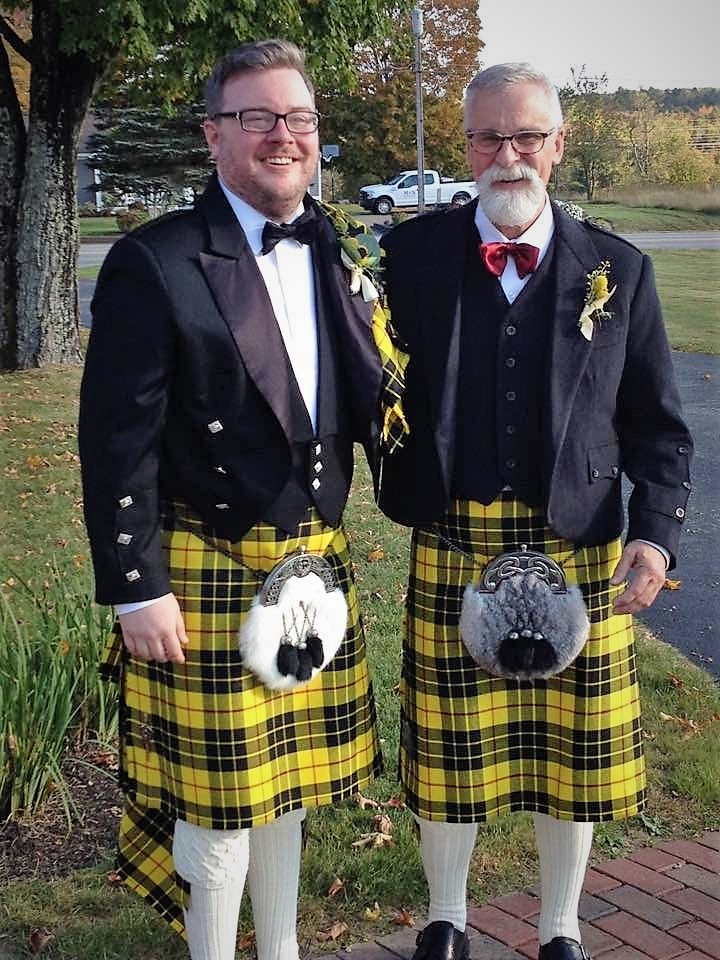
I made my son’s wedding attire; a Prince Charlie jacket and vest, plus a kilt and tartan fly.  It was a once in a lifetime labor of love.  There’s nothing better than sewing for a special occasion.  I also made my suit for my daughter’s wedding from a vintage Bill Blass pattern.  

What prompted you to engage in social media?

I was inspired by the blog Male Pattern Boldness, which has always been informative and entertaining. I started the blog The Japanese Pattern Challenge to show my process for making the coats in the book and to help other sewists avoid some of the mistakes that I’d made.  When I started sewing other menswear I renamed the blog as Mainelymenswear.com. The focus is still educational, to show the process and techniques I use, including lots of “in process” shots.  I’ve recently started a YouTube channel with the same approach.  If I’m working on a project that involves a specific technique, I’ll slow down and video the steps.   

What message would you want to share with our readers regarding sewing menswear?

 A man can have an interesting and sustainable wardrobe by making his own clothes.  Like anything, skill comes with practice.  My favorite sewing saying is, “There is nothing hard in sewing, there are just the things you haven’t done yet”.  Duane

Thanks Duane for your time and for allowing Sirena Magazine to showcase your story and your inspiring “traditional with a twist” makes. We hope our readers, especially men, are motivated to create their own menswear which they would love to wear.

Dare to sew a men’s T-shirt! Our sewing club members will learn how to sew the Víctor pattern step by step. As a Sirena Elite member you have access to exclusive tutorials, a free pattern per month and additional benefits. Join by clicking this link.

Article written by

María Enid Rosa