

I’ve always thought that to do something well, you have to study. No matter how much you've learned about a subject, a profession, or a hobby, there's always something new to discover and learn. We learn even from the mistakes we make or that others make. But... if we can avoid them, all the better.
In this age of social media, YouTube, as a video platform, is very good for learning new skills or perfecting the ones we already have. It was founded in 2005 for other purposes and you can find everything and any topic that inspires you. What we do need to consider is what we want to emulate and who we want to learn from.
In last September’s issue, I told you about my favorite YouTube vlogging channels. On this occasion, I’m going to share with you information about tutorial channels. There are many YouTube channels dedicated to sewing tutorials. However, the reality is that not everyone is a good resource to perfect or learn new techniques. Not to mention, not all people willing to teach through this tool have the skill to teach. And you may be wondering, what elements distinguish a good channel from a not-so-good one? I can list several elements, but I will focus on the 3 that I consider most important:
- Subject Mastery: this does not mean that the person has academic preparation in the subject. Academic preparation certainly helps, but it’s not necessary. For me, the important thing is that the «YouTuber» has documented what they teach, either because of academic preparation or because they are self-taught.
- Camera focus: sometimes the YouTuber has a lot of knowledge, but the video they took is not the best. It sometimes happens that the way in which the camera is projected is not the most appropriate or it is handled at such a speed that those who seek to appreciate the content cannot capture what is shown, no matter how many times they seek to go back and/or repeat the video, read the subtitles or play it in slow motion. It is not necessary to record with professional equipment, since even with the use of a cell phone it can be achieved. However, they must be well taken. If you do not know how to use the tool, the effort is lost, even if you have mastered the subject.
- Ability to convey information: even with the best of intentions, not everyone has the ability to teach. It is a talent and vocation that must be cultivated. A professional may have total knowledge about a subject, including the highest academic degree, but not have the ability to transmit that knowledge to others.
In my experience, I believe that the following «YouTubers» fully comply with the elements described above and that is why I venture to share them with you:
Thoughtful Creativity: Alisa is just great at what she does. She quit her job to devote herself fully to sewing and sharing her knowledge with others. She has over 300,000 subscribers to her channel. She is self-taught and has been sewing since she was a child. The tutorials range from the simplest to the most complex. Alisa explains them in a simple way and, if you have any doubts, you simply comment on them and she answer. Her charisma and understanding of the techniques she teaches are extraordinary. She collaborates with Mari de Jesús in the «Dress a Girl» Project, not only sewing dresses for the girls, but also sharing free patterns that she has made for her girl, so that it can be used for the project.
Menudo Numerito: Lucia Chacón is Spanish. She has 1.47 million subscribers. Her channel has received several awards in Spain. She studied translation and interpreting at the University of Granada. She worked as a documentary filmmaker. Her passion for sewing led her to start a blog in 2011. In 2012 she started her YouTube™ channel dedicated to sewing. The tutorials are diverse and her explanations are simple. In addition, she is a writer of novels. Lucia has published two, and yes, you guessed it… they are related to sewing.
The Sewing Room Channel: Sherrill Yi Donoy has more than 260,000 subscribers. She was a teacher and has an incredible ability to transmit her knowledge. Sherill has gone through difficult health situations. She had a stroke (CVA) that left her unable to move her right hand. Due to this situation, she has looked for ways to make sewing easier. She sews everything. Her tutorials range from clothing sewing techniques, quilting, accessories and decoration. She publishes three videos weekly. One of them, every Wednesday, called «tip of the week».
Just Get it Done Quilts: Karen Brown is from Canada and is a quilter. She has more than 400,000 followers. She also is offered workshops related to quilting, including cruise trips. Karen’s tutorials on quilting and sewing techniques are excellent. At the beginning of the year she usually does the 21-day «Declutter Challenge», where she teaches you everything about organization in sewing. The purpose is to make room for the new.
Entre Manos: Paz Rodríguez is a Spanish woman from Lanzarote. From her mother she learned about sewing. She studied art and was a teacher. She quit her job to devote herself fully to sewing. She owns a store where, in addition to selling fabrics and accessories, she offers sewing workshops. Paz has more than 325,000 subscribers. Her channel is dedicated to home sewing, accessories and quilting. Their tutorials are distinguished by their simple yet precise techniques.
Professor Pincushion: Tova Opatrny has been sewing since she was a teenager. In 2009 he co-founded her website and YouTube™ channel. Her work has been recognized in several magazines such as Good Housekeeping and Cosmopolitan. She resides in Oregon. Her channel is dedicated to sewing techniques and has more than 550,000 subscribers. In 2022, she published her first book titled «Beginner Guide to Sewing.»
OklaRoots: Jess Blackman is a Florida resident and software engineer. He has about 185,000 subscribers. Also, has an online store. Her tutorials are mainly aimed at sewing bags and accessories in general. What I like about it is that Jess uses patterns from different companies and does the evaluations of these. She goes step by step. If she makes a mistake or if she understands that the way she does it can be improved, she says so, so that when you work on it you can benefit from it.
Evelyn Wood: Evelyn Wood studied fashion design and is completely dedicated to sewing. She resides in Australia. What caught my attention about the channel was Evelyn’s focus on vintage techniques. Evelyn has an online sewing school where she emphasizes «vintage» techniques. In some videos she shows how old pieces have been built. Also, practice sustainable sewing. She is passionate about teaching others about sewing. Although she has already been declared cancer-free, her channel is currently on pause because she is on sabbatical due to her treatment for breast cancer.
Without a doubt, for me these channels have been a source of inspiration and help in my journey through sewing. Sometimes it happens that we don’t feel like sewing, but we can do things related to sewing that help us improve our techniques or discover new ways of doing things. I recommend you take time not only to sew, but to learn about sewing.
If you are as passionate about sewing as I am, I invite you to subscribe to Sirena Elite. At the Club you will learn new sewing techniques and other manual arts. And the best part? You will share with people who, like you, love sewing. By subscribing to the club, you get one free digital pattern per month and many other benefits. Join today and enjoy two weeks free by clicking here.
Until next time,
Article written by
Isabel Hernández
I've been sewing since I was very little. First with a blue toy sewing machine and then by hand. My first stitches by hand were taught to me by my mom. She taught me how to sew buttons, make buttonholes, make hems, and mend. She didn't sew on a machine, but she did other tasks like crochet and embroidery.
With her I learned to embroider because of the crochet, although I tried, I barely got to the chain. Sewing was and is my passion. When I was little, I sewed my dolls’ outfits. Later, in middle school, I started sewing by machine. I would have been like 12 or 13 years old. Since I didn’t have a machine, I sewed with my cousin, Sary, who was already an adult and had inherited the machine from our grandmother. It was a Singer hand-handled machine. It had been passed on to my aunt and then to my cousin.
My mom was my accomplice so my dad bought me a machine. They both noticed how much I loved sewing and saw for themselves when I took the home economics class in middle school. My first machine was second hand, turquoise blue, I think the brand was white. My dad bought it from a lady in the neighborhood who didn’t sew anymore. When I was in high school, one Christmas, my dad gave me a new Kenmore sewing machine.
Yes, I’ve sewn a lot. Some years more than others. I can’t list what I’ve sewn, but I can list my most memorable pieces. My first big project was for home economics class; an A-line flower cotton skirt with elastic and zipper. That was in 1978. The skirt gave me a lot of work and to top it all off they gave me B! The reality is that the pattern was the most complicated of the whole class and I didn’t want anyone to help me.
After that project, I sewed all of my school uniforms, from eighth grade through high school. The uniform I remember the most is the one I made as a senior, in ’81-82. A pleated skirt, where the pleats are closed to the hip and then opened. Ah! And I made one just like mine, for one of my friends. How daring I was!
When I was in college, I made a lot of buttons on shirts and also skirts. I also remember two short skirts; one in denim and one in royal blue cotton. But the most memorable makes on my college days were two overalls I made between 1986 and 1987. Those overalls walked the halls of iUPI (University of Puerto Rico) many times. One was made of denim, carpenter-like, and the other was made of royal blue cotton fabric. I wore them with tube blouses, made of elastic fabric, which were widely used at that time.
I also can’t forget the pieces I made for college parties and to go to the disco in San Juan. Among them, two sets. Both in stretch fabric. One was a royal blue set (have you noticed my preference for blue?) with pants and a tunic with dolman sleeves and a slit that began in the middle of my back. The other set was a long, tight-fitting skirt with a slit and a long-sleeved tunic with a slit from the center of the back. This one was made of white knit fabric with black dots.
That outfit was borrowed a lot by my roommates. At that time, I bought a lot of fabrics in a store called Almacenes La Riviera, on Paseo de Diego in Rio Piedras.
When I was in graduate school, I sewed shirts for my boyfriend (later my husband, Allan). That was by the late ’80s and early ’90s. At work, they began to ask him about the shirts and from there I made more and sold them. I sold the shirts for between $12 and $15. The fabrics, likewise, I bought on the Paseo de Diego in Rio Piedras. It wasn’t for long that I sewed shirts to sell because I was studying full-time and working part-time. I’m sorry I didn’t take pictures of those shirts. The one I remember the most was a pink and gray one I made for Allan.
In 1989, I did some costumes. I remember two very much, the one for my friend Rosa and one for me. For Rosa’s was a gypsy costume. I used a printed cotton fabric for a short top that tied in the front and a long skirt, tight at the hip and then gathered. The skirt has a slit on one side. Mine was Morticia’s. A fitted long dress, in black, in a knit fabric and with a slit on one side.
I remember sewing a dress for my mom in the 90s. The dress had pintucks that I made on the first serger («overlock») I owned, a PFAFF Hobbylock. She liked it very much and that made me happy.
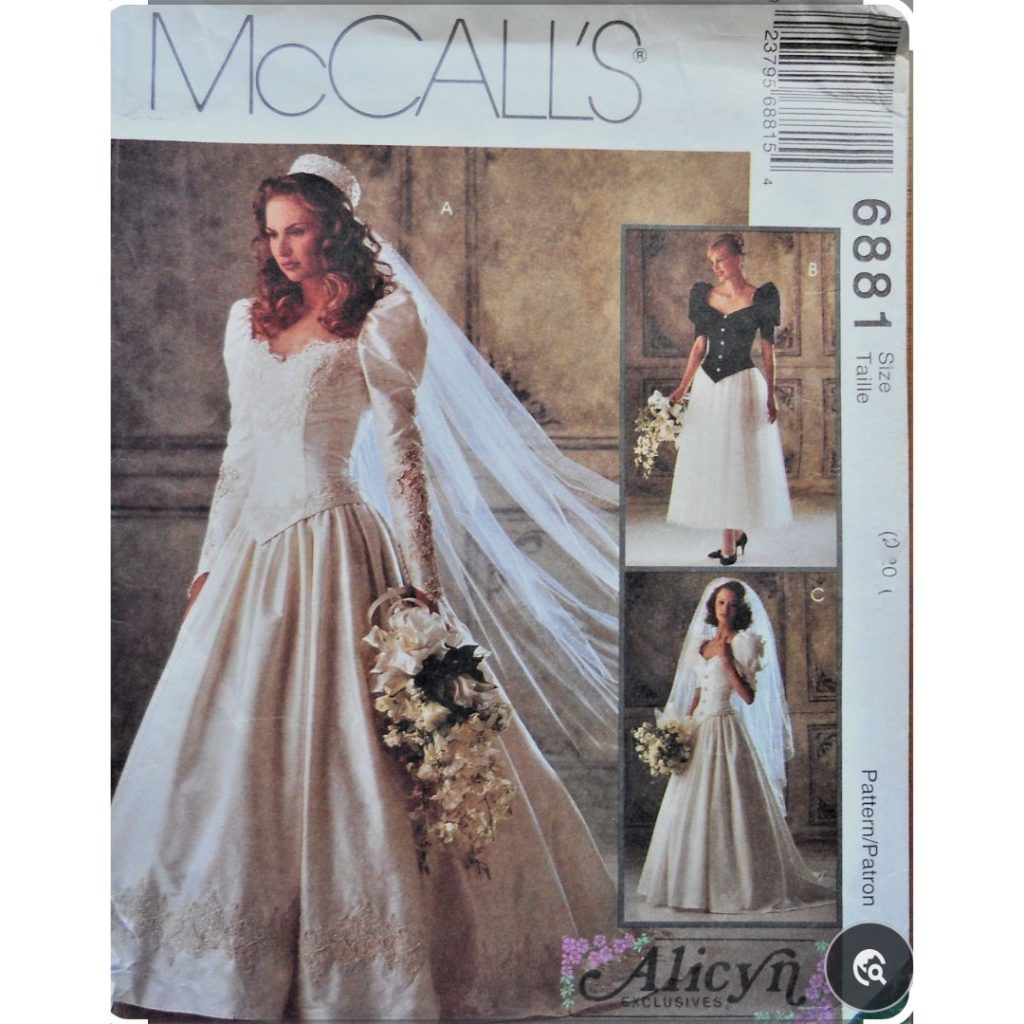
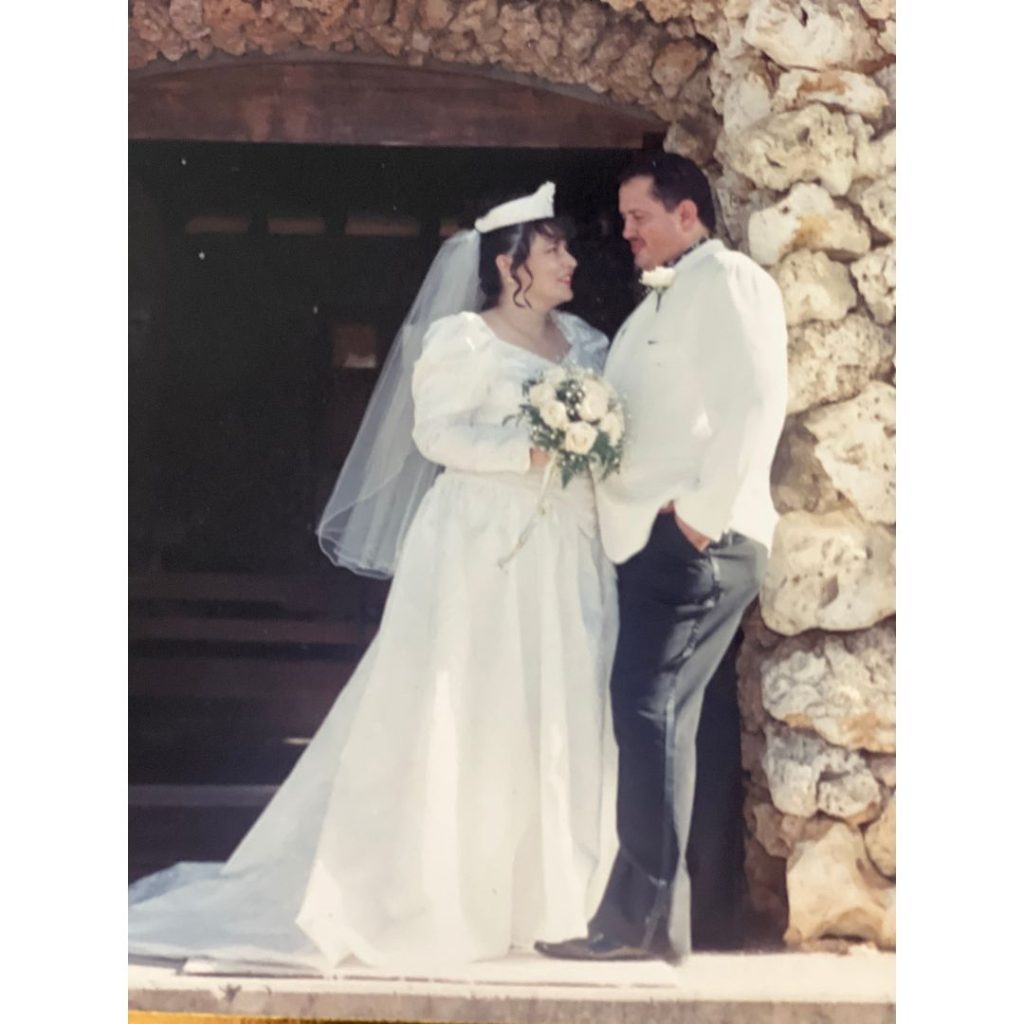
As if that wasn’t enough, my most memorable memory was making my wedding dress in 1994. I remember buying the fabric at the “Telar”, located at that time in Borinquen Towers, on Roosevelt Avenue in Hato Rey. I bought the fabric for $20 a yard and it was brocade, pearly white. I also added beaded pearls and beads that I bought at La Casa de los Botones on Kennedy Avenue. I used a pattern from McCALL’s (6881) that I modified. I also made the veil, the crown and the ring holder. It was the most complicated piece I’ve ever worked on, but certainly the most indelible.
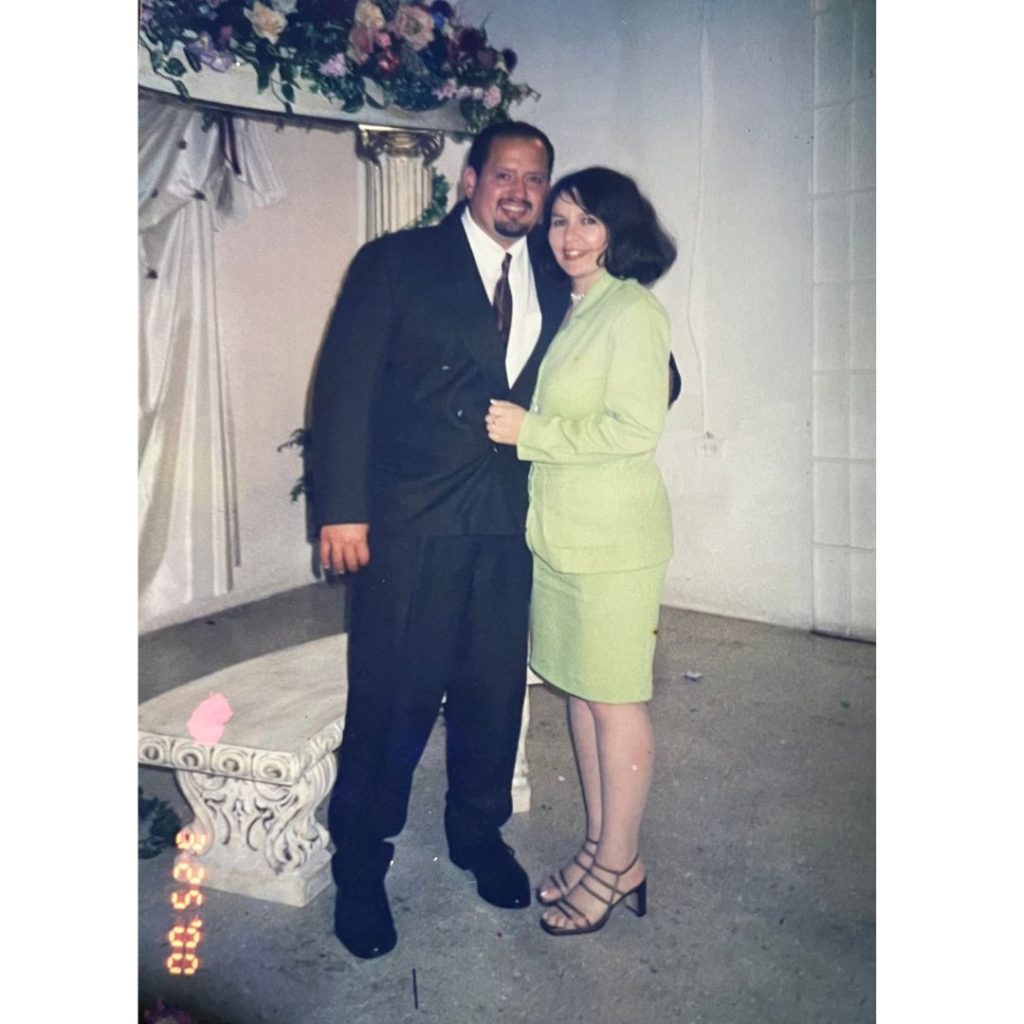
From 2000 I remember a chartreuse green set of jacket and fitted skirt that I loved. It was made of stretch bullet fabric. In 2007, for the 25th anniversary of my high school graduation, I made a sleeveless blouse and a long skirt out of a brown stretch fabric with sequins. I still have it and it’s ready to be transformed into another piece. I’ll see what to turn it into!
Also, I have sewn many pieces for my home such as curtains, runners, cushions and potholders. But the memory that springs to my mind is a fabric curtain from the movie Monsters Inc., which I made for a Volky that my brother had. The Volky was painted with the theme of that movie and he asked me to make the curtain for it. He was very happy with his curtain and I was happy because he liked it.
The most recent sewings that have given me the most satisfaction are those I have done for others. Like the «Jeffrey» shirt I made for Don Eduardo, the dad of my friend Rosa. Also the dresses for the «Dress a Girl Around the World» project. Even the «Madeline» purse, for my friend Diana. Knowing that I cause happiness in others for something I do with passion and with all my heart, fills me with a lot of joy.
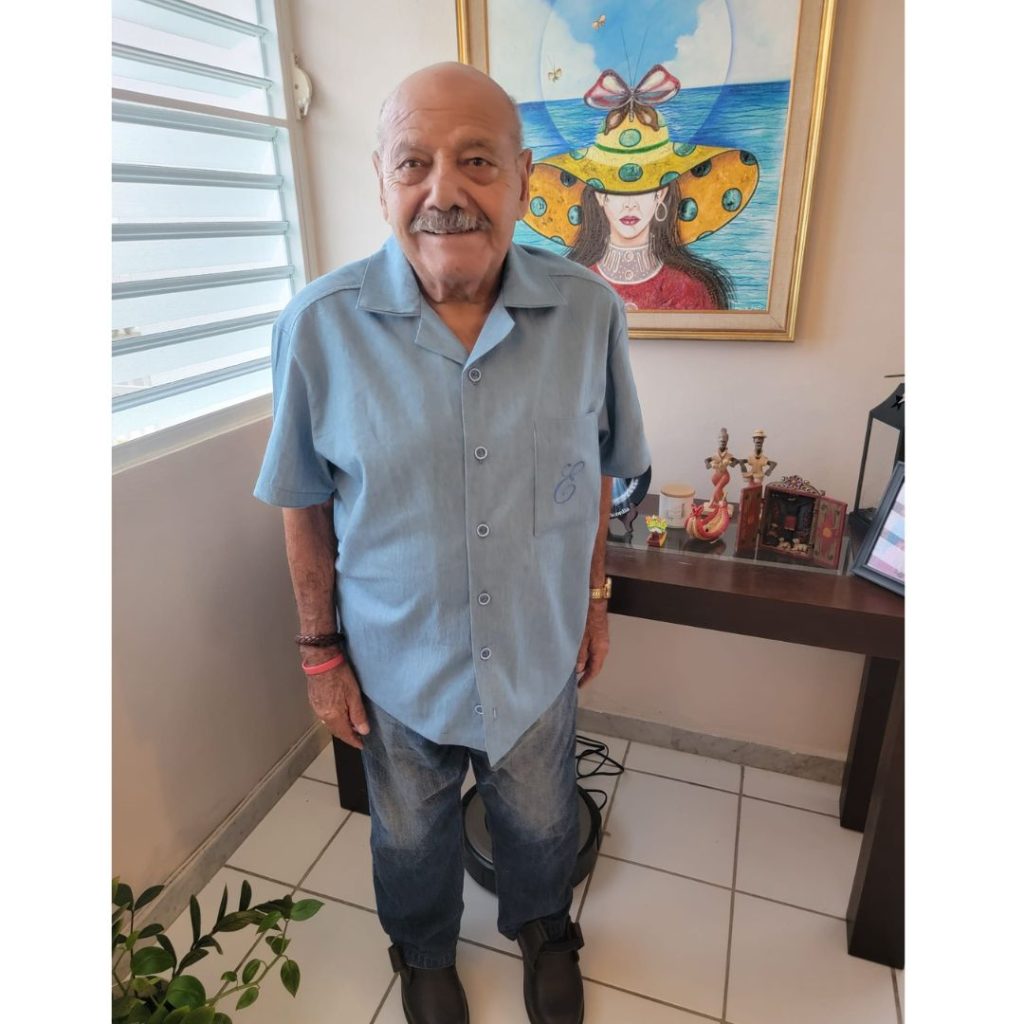
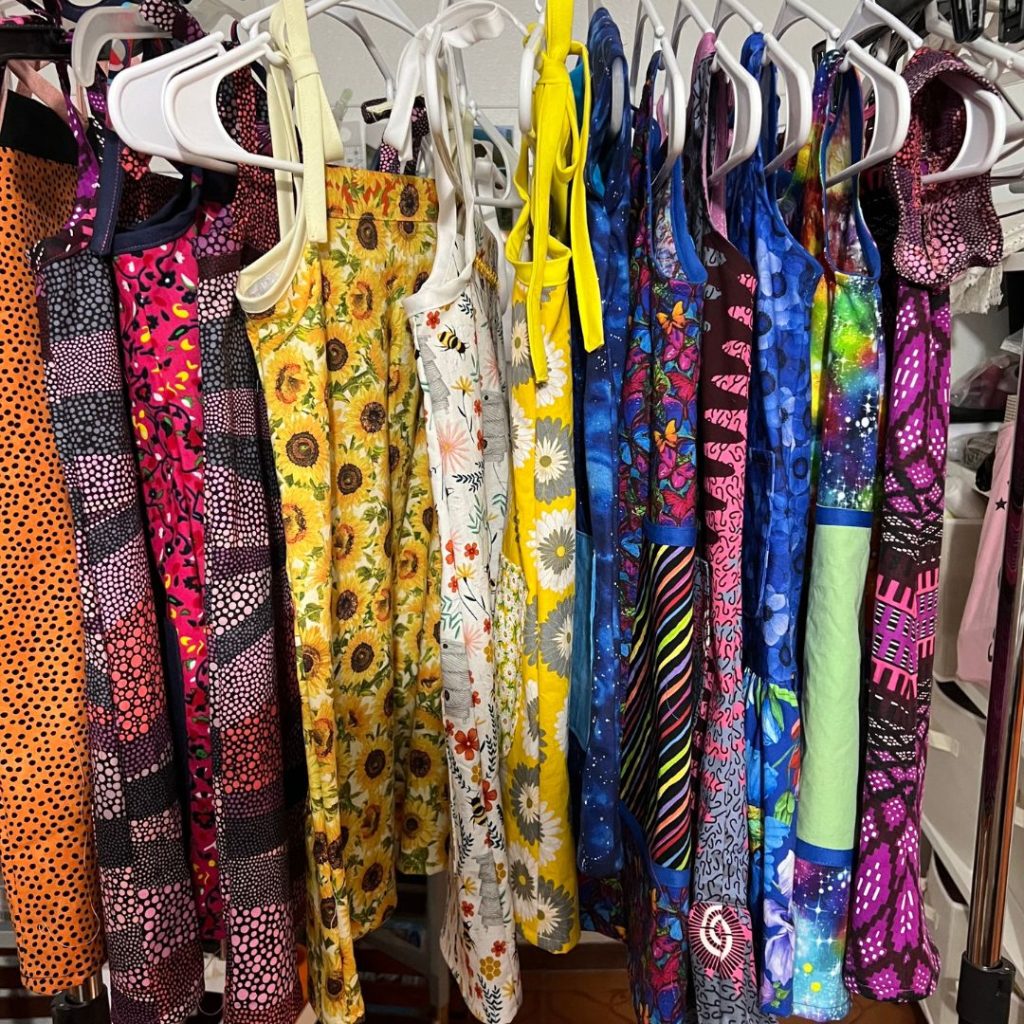
Take your time. Reflect and look back. Even if you’ve only been sewing for a short time, you’ll find that you’ll always have favorite pieces that you’ll remember. These are mine! What are yours?
And if you don’t have them yet, what are you waiting for to start learning to sew and join the Sirena Elite sewing club? At the club you will learn about sewing, entrepreneurship and much more. Join today and enjoy two weeks free here
Until next time!
Article written by
Isabel Hernández
Last May on the Podcast "Love to Sew" Helen Wilkinson and Caroline Somos, discussed different sewing topics using the famous game, This or That. After this, the sewing version of the game has continued on Instagram and YouTube. I started to think, and what are my sewing preferences? Believe it or not, it wasn't that easy for me!
Sewing Prep
- Shopping new vs. stash busting: I confess that this year I am doing my best to lower my stash. I’ve behaved well, but I’ve done some shopping, especially on the day of Tommie Hernandez’s fabric “chinchorreo”. That day I took the ball out of the park.
- PDFs vs. paper patterns: since I discovered the patterns in PDF’s I lean more towards them because I print them when I need them. Also, because I entertain myself by assembling them, they remind me of puzzles.
- Cutting vs. tracing: 95% of the time: cutting. I only trace if I make a lot of pattern modifications.
- Muslin or just go for it: I just go for it, I don’t do muslins. I can’t deny that sometimes it doesn’t fit me perfectly, but I was always able to learn something. What I can say is that if it is something special, I sew a wearable muslin.
Fabric
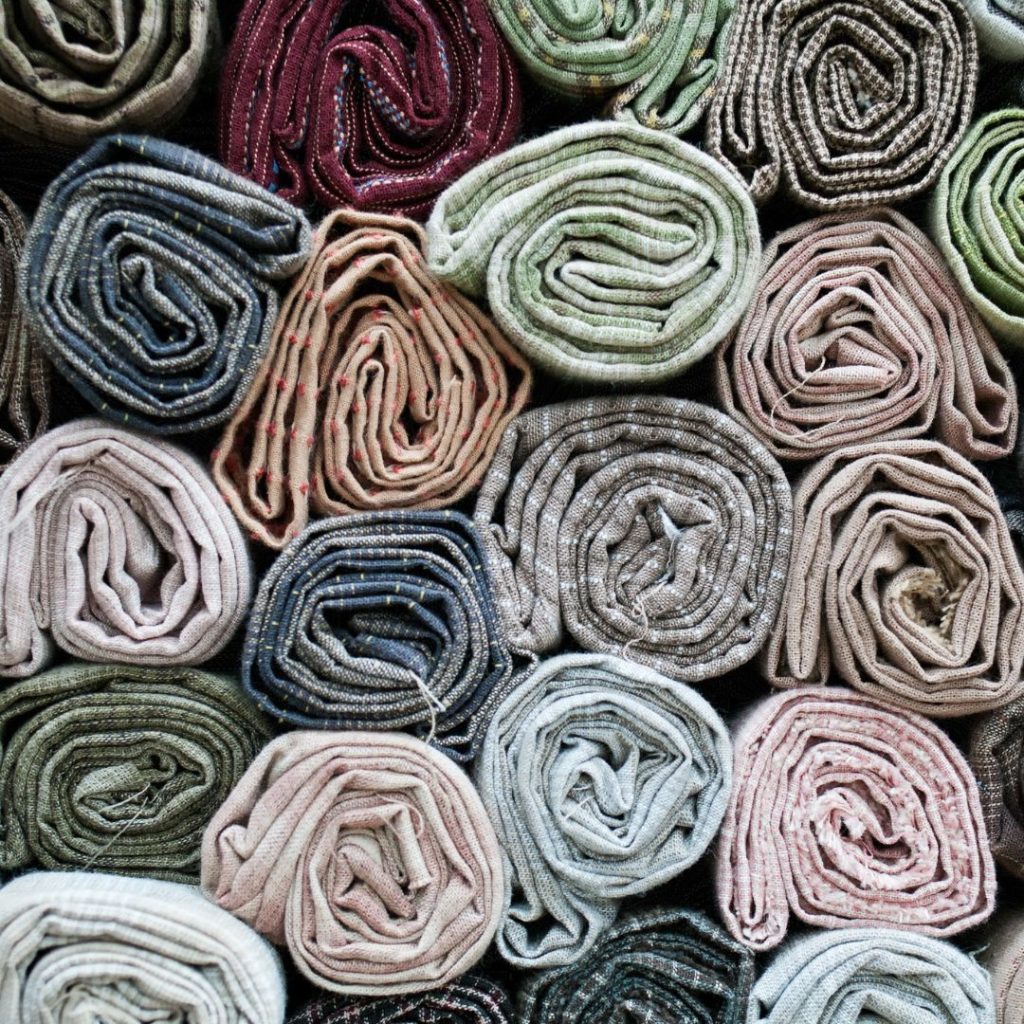
- In-store vs. online shopping: I do both. I’ve been shopping online for over 20 years, more for convenience than anything else. There is nothing like feeling the texture of fabrics and observing their appearance.
- Knit vs. woven: both! I can’t say I have preferences for sewing, or for dressing. All fabrics have their charm and challenges.
- Tumble dry vs. hang to dry: 75% of the time I wash them in the machine and hang to dry. It’s the same thing I do with my clothes.
- Rotary cutters vs. scissors: I prefer scissors and use them most of the time. I use the rotary cutters when the pattern has many straight cuts, with slippery fabrics, vinyl, or leather.
Clothing construction
- Follow the pattern or wing it?: both! It depends on how complicated the pattern is. If the pattern is simple, I don’t follow the instructions. If the pattern has a tutorial, I like to watch them before making the pattern.
- Bias tape finish vs. facings: I use both. I have no preferences; it depends a lot on what I am sewing and the type of fabric.
- Serged seams vs. french seams: 95% of the time I use the serger (overlock). I love the French seams finish, but I don’t have much time. I use it only in the case of fine or transparent fabrics in which the seam can be noticed.
- Button fly vs. zip fly: I don’t like button fly, so I’ve never sewn them. 100% zipper fly.
- Button by hand vs. machine sewn: 100% sewing the buttons by hand. I love it. I do it while watching a series or YouTube.
- Fusible vs. sew-in interfacing: I prefer the fusible, although I have used both types.
- Snip as you go or all at once: I snip as I go. If I have any left, I snip them while I am ironing and at the end, I review the project for if I miss one.
- Press as you go or all at once: I press as I go and at the end too. There are always exceptions where I haven’t.
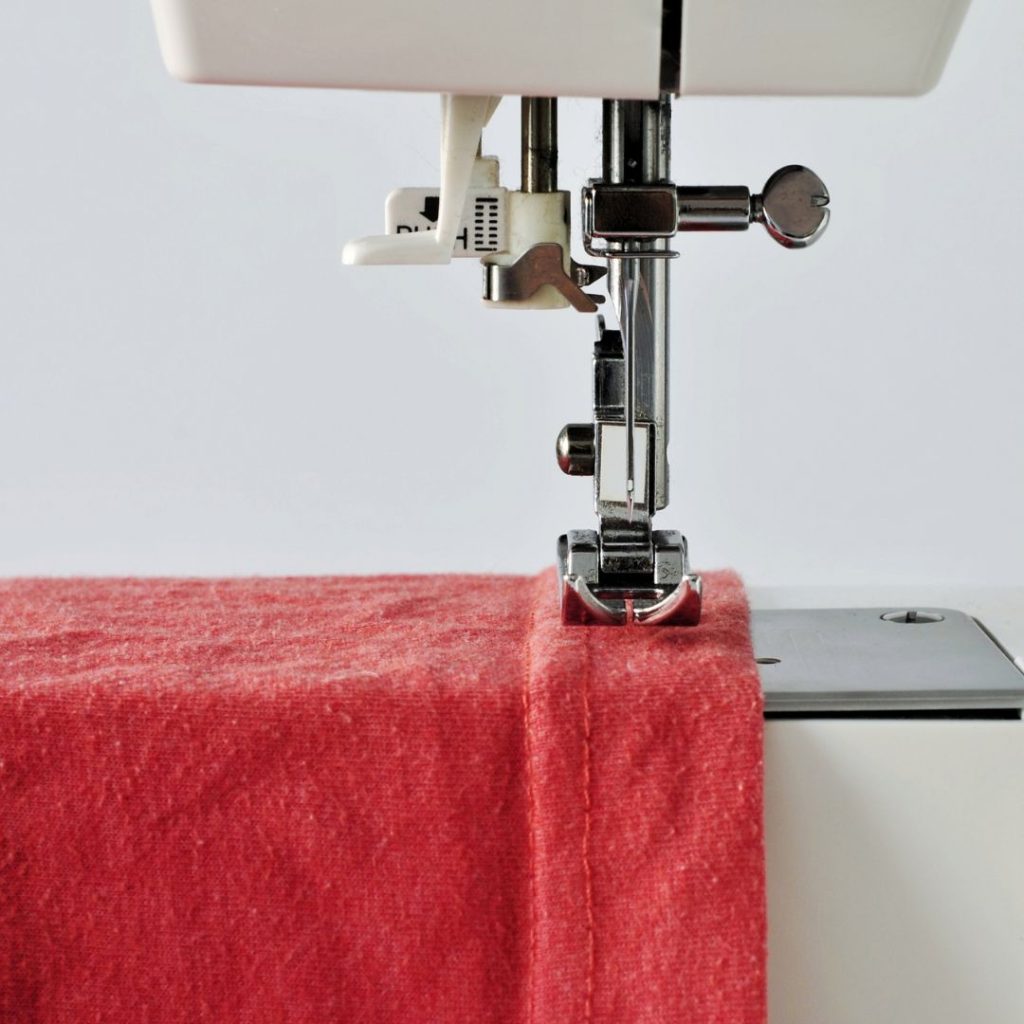
Sewing habits
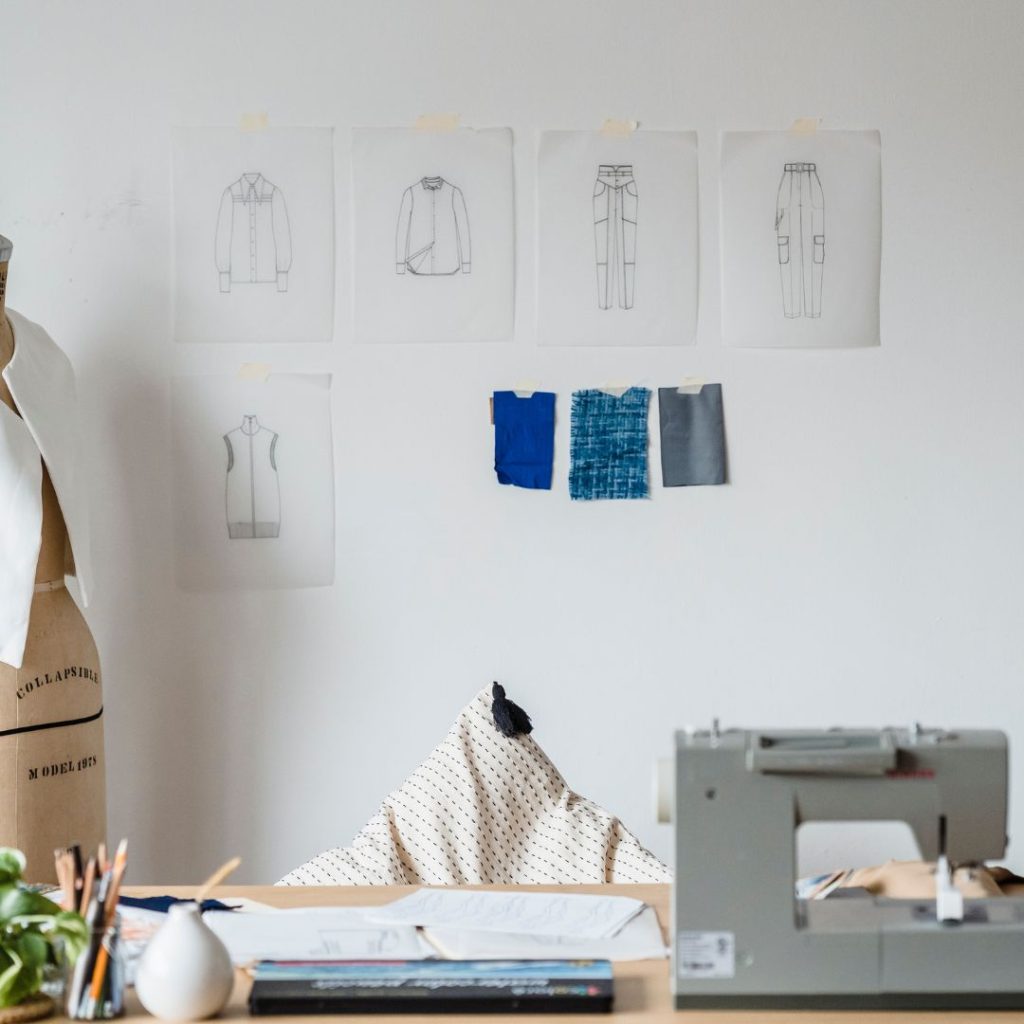
- Late night seamstress vs. daytime seamstress: on weekends I can be sewing all day and night. During the week I am a late-night seamstress
- Slow and steady vs. frantic sewing: frantic sewing all the way. When I start a project, I must finish it otherwise it is in danger of becoming an UFO («Un-Finished Objects»)
- Tidy as you go vs. one big cleaning session: most of the time both. I admit that sometimes I leave a mess, especially if the next day I must go to the office.
These are my preferences when it comes to sewing, what are yours?
Remember that if you like sewing and every day you want to learn more about this beautiful art and craft, I invite you to the Sirena Elite Sewing Club. You get one free pattern of your choosing every month and other benefits when you become a member. Join today and enjoy two weeks free here.
You won’t regret it! In the club you will learn a lot and meet people who, like you, are passionate about sewing.
Until next time!
Article written by
Isabel Hernández
I accept it, I am a fan of sewing “vloggers”, especially if they are “YouTubers”. I can spend hours watching and/or listening to them. A “vlogger” is a person who shares their opinions and facts about their life in video format. When they do so using YouTube, they are known as “YouTubers.” I think I started watching sewing channels in 2014, already a decade ago. It wasn't until a few years later that I started subscribing to the channels and following them weekly. Almost all of these “YouTubers” publish their videos weekly.
These channels are some of my favorite “vlogging” channels. On their channels they chat about sewing and general aspects of their life. They share what they sew, their favorite patterns, fabrics they buy, their plans, sewing tips, their sewing rooms, “sew along” and other details. Most of the channels are English speaking. Although there are many channels in Spanish, these are dedicated to tutorials and do not vlog.
@thehandmadeharriells – has more than 43,000 subscribers. Marcy and Rob are actors and are married. I love watching them! Marcy is an actress, singer and writer. Her husband Rob is also an actor and producer. Together they make you laugh with their jokes. Marcy sews almost all of her clothes and shares what she makes for herself and sometimes what she makes for Rob. She loves dresses and the African fabric known as Ankara. She also shares tips and some tutorials. Given their profession, sometimes they don’t have weekly videos.
@marisews – has over 5,000 followers. He resides in Maryland. Marisol de Jesús’s parents are Puerto Rican. I found out about the channel because it was mentioned on a YouTube sewing tutorial channel (@thougthtfulcreativity). Mari has a unique way of communicating. She shares her sewing triumphs and fails. She is very proud of her curves and promotes body acceptance regardless of size. She is the creator of the challenge: “Dress a Girl Around the Word”. She also makes leather bags and hats.
@costuverso – Irene is Spanish. She shares her opinions on sewing, tutorials, recycling and decorating. He mainly uses scraps to share his ideas. It is one of the channels that I follow recently and it has almost 25 thousand followers.
@TodayinJensSewingRoom – Jen, with around 15,000 subscribers is the creator of the “hashtag”#fridaysews whose intention is to unite the sewing community. During that day they talk about the sewing projects they did during the week and also about life in general. She is a perfectionist in her sewing and never gives up if something doesn’t work out. She collects patterns and her favorites are those from Laura Ashley. She loves dresses and is an expert at thrift stores. It has motivated me a lot to make dresses. She reviews patterns and shares his opinion. Always ends all his videos with a biblical text.
@AndraMakes – Andra is talented and charismatic. Two of the things she shares that I like the most are her monthly video of how she dresses for church each Sunday and her series of sewing a piece of clothing from each of the last 10 decades. She also does tutorials and reviews of patterns and crafts and shares her opinion. I love his phrase “don’t judge a pattern by its cover”.
@AdamSews– this super talented Englishman sews everything, clothing, accessories, quilting and animal figurines. Adam loves Tula Pink fabrics. Participates in #fridaysews.
@TomKatStitchery – Whitney has over 33k followers. Her knowledge of sewing is extraordinary. She worked for a long time making alterations so she is an expert. This year he began teaching an online alterations course. She sews for herself, her twins, her husband and others. She shares what she wears and her seasonal wardrobe. Test patterns for various companies and evaluate them. She also does “sew along” and tutorials.
@TriBeccaDesigns – Rebecca is an upcycling and thrift store expert. Her pieces are spectacular and models them in a unique way. It’s a joy to hear it. Participate in #Fridaysews.
@MichelleSewsAgain – Has over 3,000 subscribers. Michelle learned to sew when she was in college, but she stopped and returned during the pandemic. She loves colorful fabrics and is an expert in ice dye. The fabrics she designs using this technique are a work of art. She likes sewing more with natural fiber fabrics. Participate in the hashtag #Fridaysews. She reviews patterns and shares her opinion. Prefers patterns from independent companies.
@LiftingPinsandNeedles– Karina Trinidad has more than 50 thousand Subscribers. She is Chilean and has lived in several countries. He resides in Brazil. She worked as a nurse-midwife. She has been sewing since she was a child and is an expert in sewing. Test patterns for various companies and evaluate them. She is an expert at hacking patterns in an easy but spectacular way. Does sew along and tutorials. She shares everything she sews and how she combines her pieces, and models them. I love the series on different fibers and how to work with them. Also those of different techniques to do the same thing.
@knottygnomecraft – has over 5,000 subscribers. In addition to sewing, she knits. She shares what she makes and how she styles it. She makes videos of how she dresses for the week, reviews patterns and shares his opinion. If something doesn’t fit or she doesn’t like it, she says it without problems.
@anmaree’sworkshop– Anmaree has about 2 thousand subscribers. She is a retired teacher and librarian and resides in Jamaica. Sewing and manual arts are her passion. Sew for her or as a gift. Start sewing the Christmas gifts in July. She models everything and shares it. She loves African fabrics. Participate in #Fridaysews. She is an expert in making reversible clothing and in August of this year she created the “sewing reversible” challenge on YouTube and Instagram. Share about her roots and family. If I ever visit Jamaica, I will stop by the Ping store where she shops and finds fabulous discounts and beautiful fabrics.
@FarrellFocus– Stephanie has over 18k subscribers and lives in California. She starts her videos with “Hello, Hello.” She loves stretchy fabrics, especially double brush poly. I love her joy. She does pattern reviews, tutorials, and shares about the fabrics she purchases. In addition to talking about sewing, she talks about her travels in the trailer she has. Participate in #Fridaysews.
@CreativiTeeByT – Has around 3,000 subscribers. Talisha has an incredible ability to choose fabrics for her projects. She shares about what she sews and does pattern reviews. She also collaborates with other “YouTubers”. Her 5 piece or less series on patterns and Elevate with Ankara are very good.
@ShereeThomas30 – Has more than 5,000 subscribers. On her channel Shereé shares about sewing and beauty. She does pattern reviews, shares the fabrics and patterns she purchases. She also collaborates with other “YouTubers”. She has a series on Ankara fabrics and another on summer clothing with @CreativityTeebyT.
@carmensalome – She has about 5 thousand subscribers. Carmen is Puerto Rican and resides in Florida. His videos are short but very good. Shares what she makes, pattern and fabric reviews. She also talks about diet and exercise.
@rochelle.handmade.designs – has more than 4 thousand subscribers. Rochelle works full time, but she sews a lot. I don’t know how she can do it. She has a series of dresses, jackets and others.She collaborates with other “YouTubers”. She loves Ankara fabrics and resides in Orlando, Florida. Makes pattern reviews. It is also the first to notify you of pattern sales and new patterns.
@lostmythread – Theresa has more than 6 thousand subscribers. Although she was born in the United States (EU), she moved to England and is married to an Englishman. She is a midwife, sews and also knits. During Christmas she makes “vlogmas” that I love. She does pattern reviews, shares the patterns and fabrics she purchases. She also sews to give as gifts. She has a series that I loved where she makes different t-shirt patterns and compares them.
@TIMAbyFK – Fatmata is from West Africa, but resides in the USA. She is very talented in the arts and is a counselor. If you like modest styles of clothing you should watch this channel. She sews the most beautiful dresses. She has an incredible facility for using fabrics with designs and combining them in a spectacular way. She also uses Ankara fabrics a lot. In addition she also combines parts of one pattern with another and ends up with some spectacular dresses.
@GloryAllan – has more than 220 thousand subscribers. He resides in Canada and is super talented. Although he is more dedicated to making tutorials than vlogging, he shares many aspects of his life while doing it. He shares what he does and has a unique way of doing it.
@RoseryApparel – Janelle has over 370k subscribers. She resides in Australia and dedicates herself completely to sewing. Design patterns and share about her process. In addition, she makes tutorials, and does a lot of vlogging. She shops at thrift stores and makes videos of her purchases. Share her inspiration, travels, purchases and plans. She loves the colors of autumn and fabrics with small flowers.
All of these channels are examples of people sharing with others their passion for sewing. For me sewing is a superpower. It involves taking one thing and turning it into something completely different. If you are interested in sharing your passion for sewing with others and learning new techniques, I invite you to join the Sirena Elite Sewing Club. You get one free pattern of your choosing every month and other benefits when you become a member. Join today and enjoy two weeks free here. I assure you will not regret it and who knows, maybe you will end up being a YouTuber!
Article written by
Isabel Hernández
When we start sewing we get so excited that sometimes we don't take into consideration certain aspects of preparation. Yes, it can be boring, I know it from experience. Through the years that I have been sewing I have walked that path over and over again. I keep learning, the day I stop learning, it won't be me.
On this occasion we are going to talk about the things that we should consider before starting to sew a piece of clothing or an accessory.
- Choose a pattern: make a pattern based on another piece you already have or design it.
- Choosing the fabric you need: this step is very important and can make a difference in the final result. If you use a commercial pattern, it always suggests the most suitable fabrics for it. Don’t overlook it. The one who designed the pattern takes this aspect into consideration for the design.
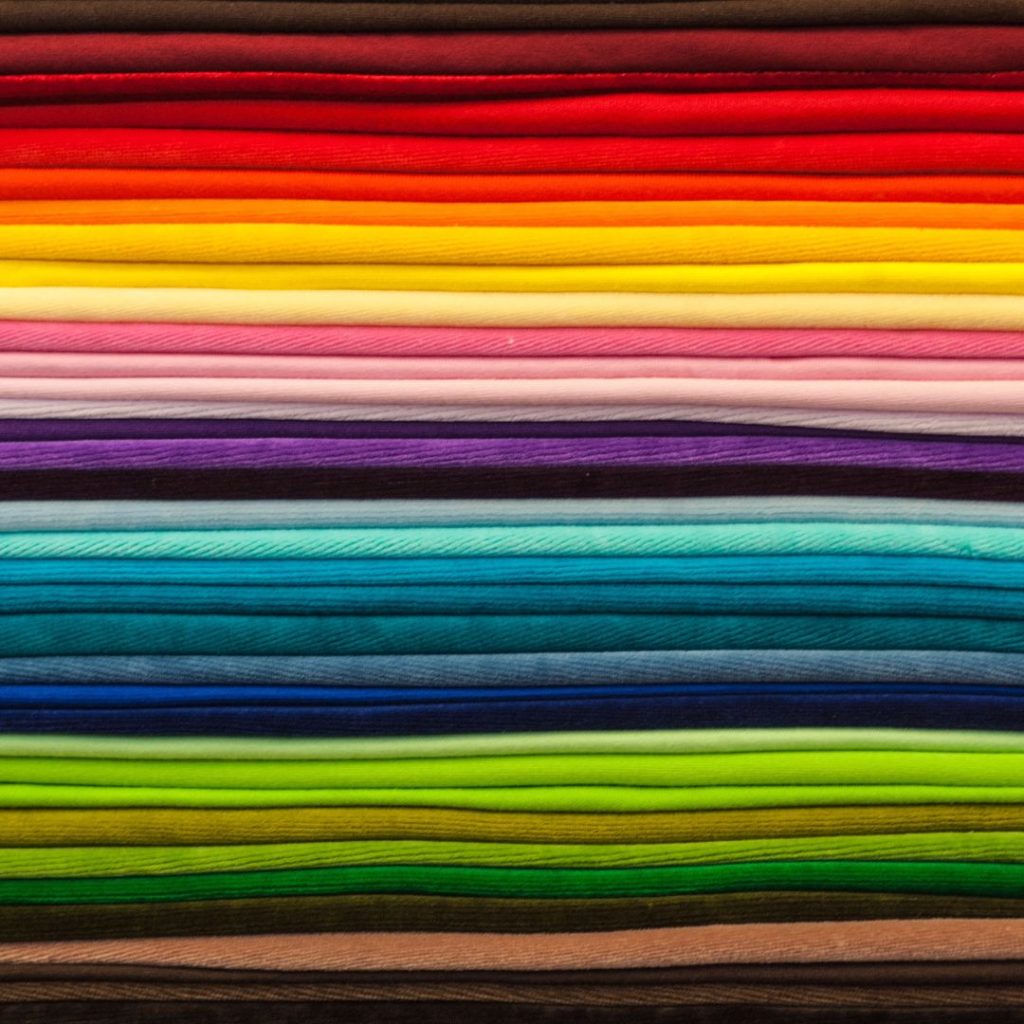
- Fabric preparation: wash the piece of fabric, the way you would wash the finished piece. I usually do it immediately when I buy them. This way I already have it ready for when I’m going to use it. This step is important not only because some fibers shrink, but also because it removes any dyes, chemicals, or dust from the fabric. Depending on the type of fabric, it is possible that before washing it you should pass the serger, zigzag stitch or use «pinky» scissors. In this way, fraying is avoided. In the case of natural fibers, it is possible that you need to iron the fabric after washing. This makes it easier to place and cut the pieces.
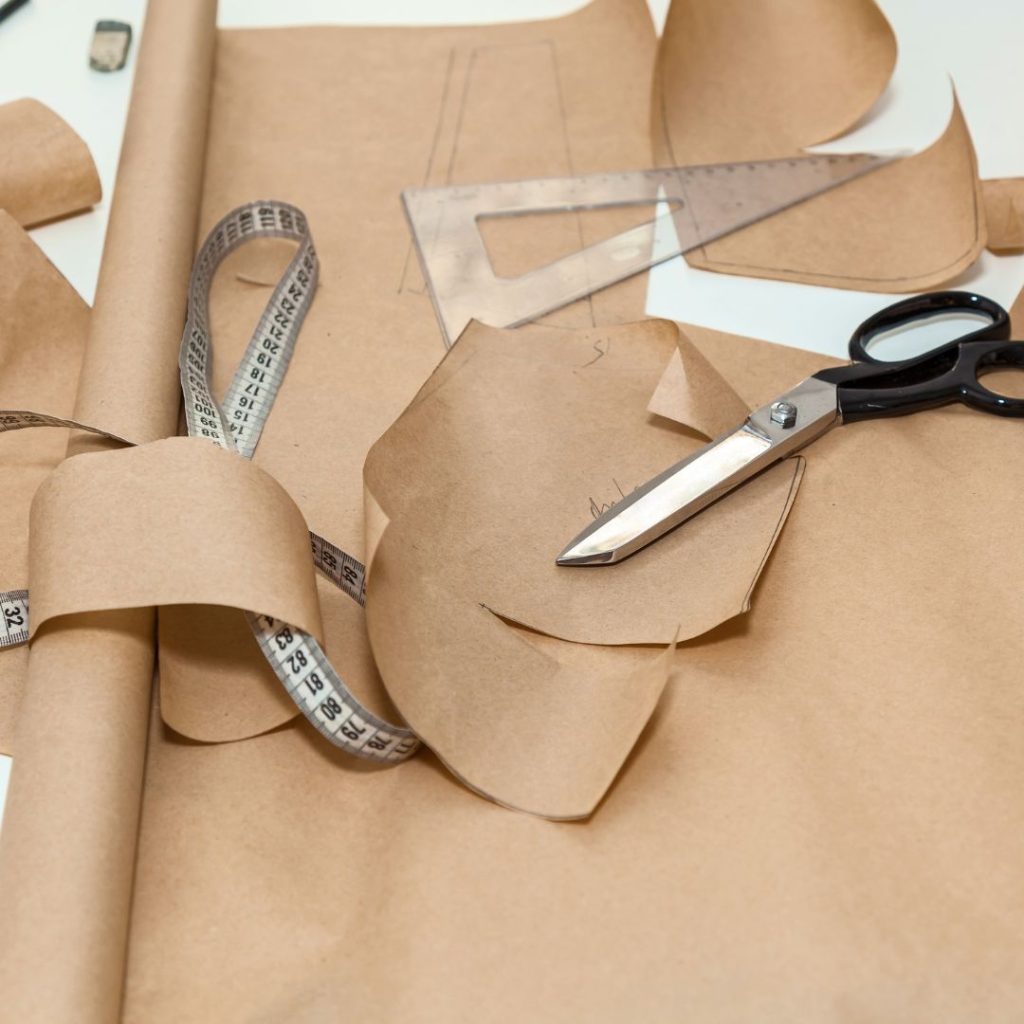
4. Choose the size of the pattern: if you sew using a commercial pattern you must choose the size well. In general, they include at least three measurements, bust, waist and hips. If you have weight fluctuations, I recommend taking them frequently. If you have doubts about the size you can measure the pattern pieces.
5. Identify in the pattern what you need in addition to the fabric and thread: sometimes we get so excited about sewing that we forget we need a zipper, interfacing, or buttons and we have to run to the store.
6. Laying out the pattern pieces and cutting out the pieces: if you use a pattern, in the instructions you will find suggestions on how to place the pattern pieces. You can change what they indicate, but always taking into account certain rules that you must follow and are associated with the grain of the fabric or the amount of stretch. Placing the pieces on the fabric is like a puzzle. A good practice is to place the largest pieces first, especially if you are working with a low amount of fabric.
7. Preparation of the sewing machine, identification of thread and needle suitable for the type of fabric: in general, universal needles can be used for all types of fabric. However, it is recommended that in the case of knit fabrics to use those that are specially designed for that type of fabric. The same with thick fabrics like denim or special ones like vinyl. You should also consider the number of the needle and the type of thread. The 100% polyester thread is the most used and recommended.
8. Ironing: ironing is one of the most important steps in sewing, before, during and after sewing. If you have the space, keep an ironing station nearby, which includes at least the iron, the board and a cotton cloth. I am a perfectionist and I like what I do to look as beautiful on the outside as it is on the inside. I remember that when I was a teenager, a seam did not fit as I wanted despite trying more than once. My mother told me, “iron it girl and that way it won’t show”. My mom didn’t sew with a machine, but with an iron she did wonders.
All these steps are just as important as sewing. Skipping a step sometimes leads to failures that we could have avoided if we didn’t.
If you want to learn the basics of sewing and start sewing and you don’t have time for face-to-face classes, I recommend the academy’s basic sewing online course. In the course you learn at your own pace and you can watch the videos over and over again. When in doubt you can ask your questions online and also through the exclusive Facebook group. Tommie never gives up on her students!
If you want to get into sewing, Sirena Elite is perfect for you! You get one free pattern of your choosing every month and other benefits when you become a member. Join today and enjoy two weeks free here
Until next time!
Article written by
Isabel Hernández
Do you follow fashion trends? Do you immediately run to look for what is in fashion? Did you know that with the superpower of sewing you can recreate the latest fashion trend? And what if we recreate the trends for summer using the patterns from Sirena Patterns.
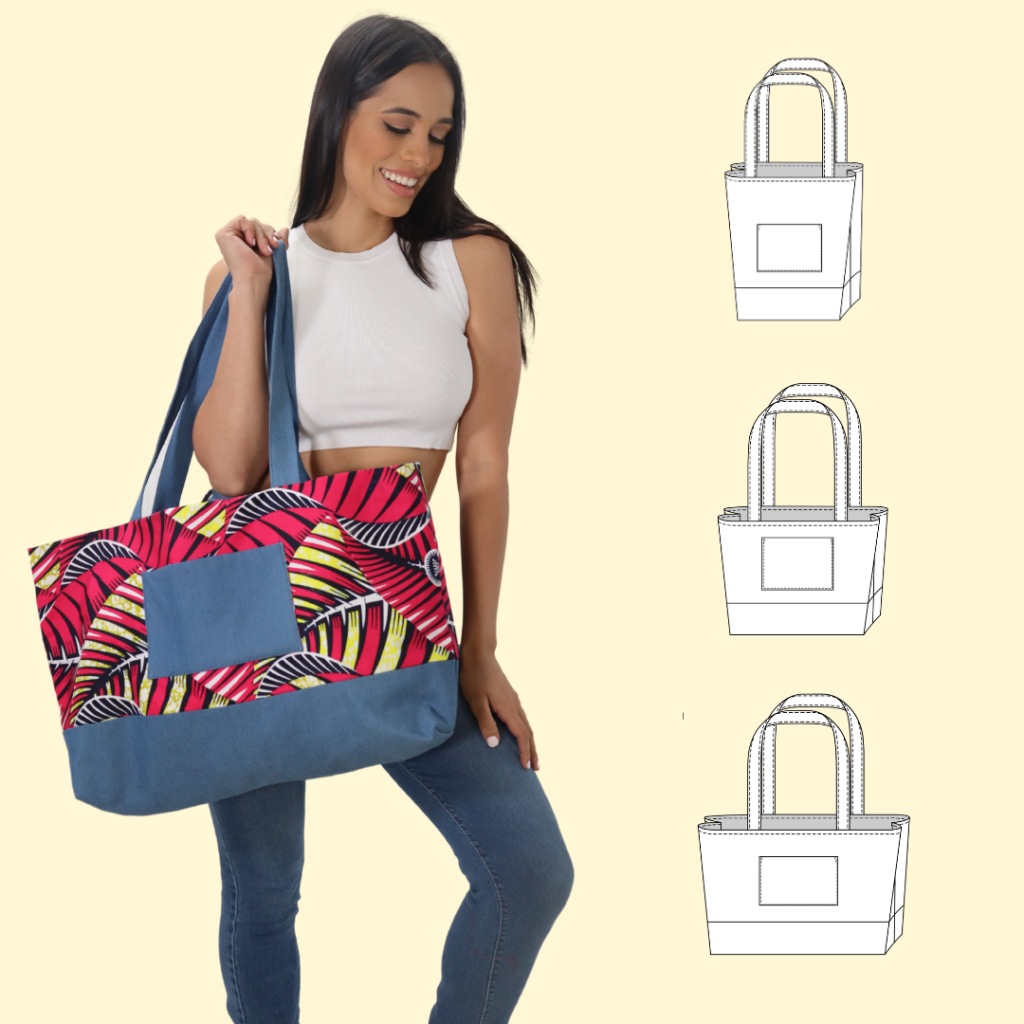
Let’s start with the accessories. One of the strongest trends is large handbags, specifically the “totes bags”. For that we can use the pattern Madeline. The pattern comes in three different sizes. You can do this using fabric scraps you already have. If you want you can choose a fabric of the colors in trend for summer like hot pink or how about yellow. It’s a simple pattern and it’s done quickly. If challenges are your thing, use vinyl in a silver tone. It would be spectacular. Metallic colors have taken over the runway in 2023.
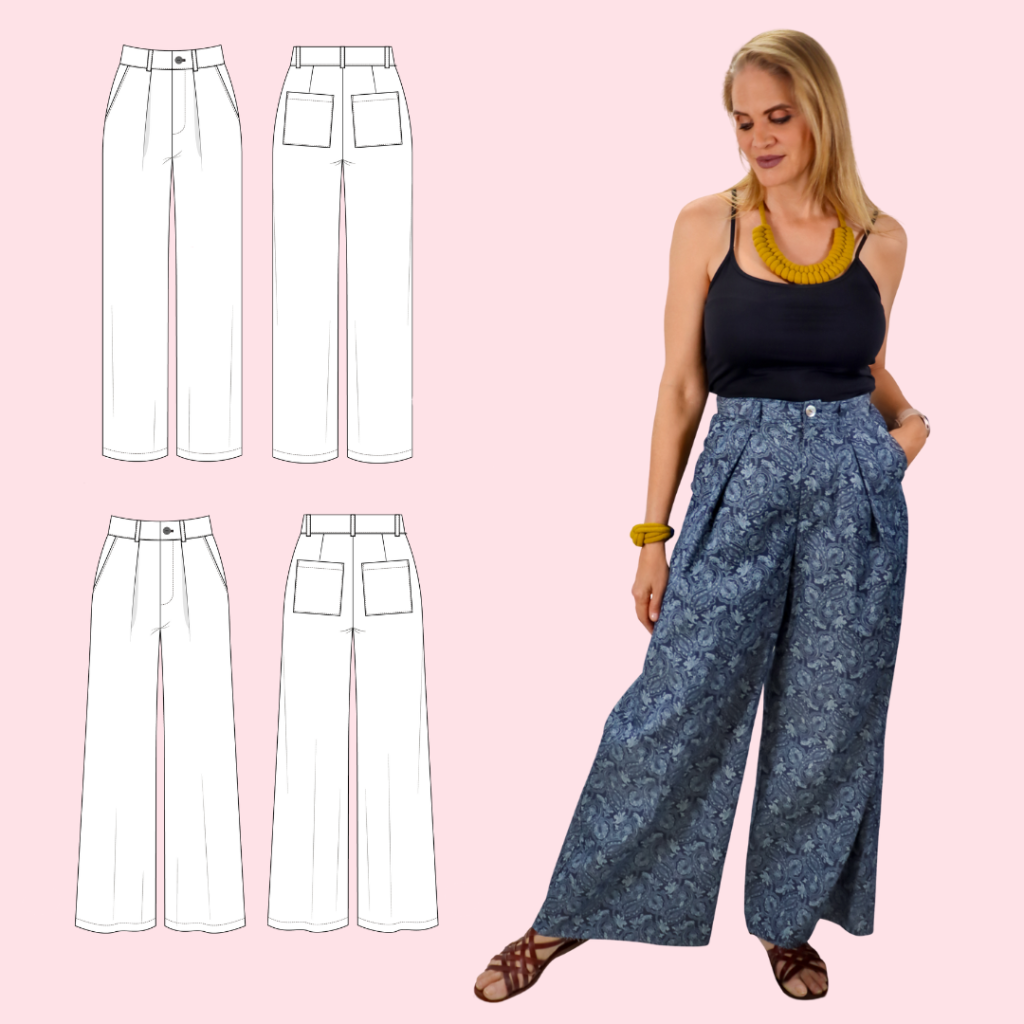
And if we talk about pants, the trend is relaxed pants, baggie style, with wide legs. That’s why we have Isabel pants pattern. Although the pattern is long, you can make it like bermuda shorts, which is also in trend. You can use light denim fabric or, as we say in PR, mahón.
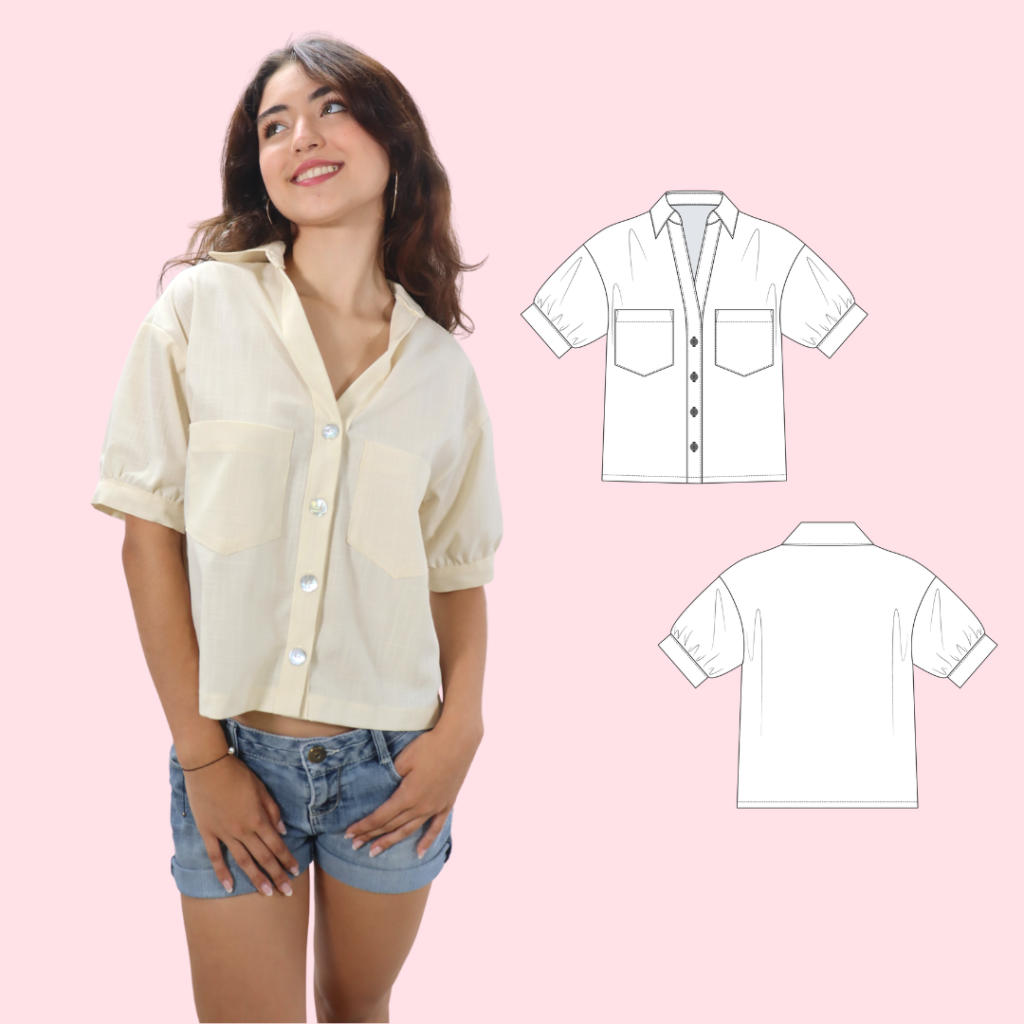
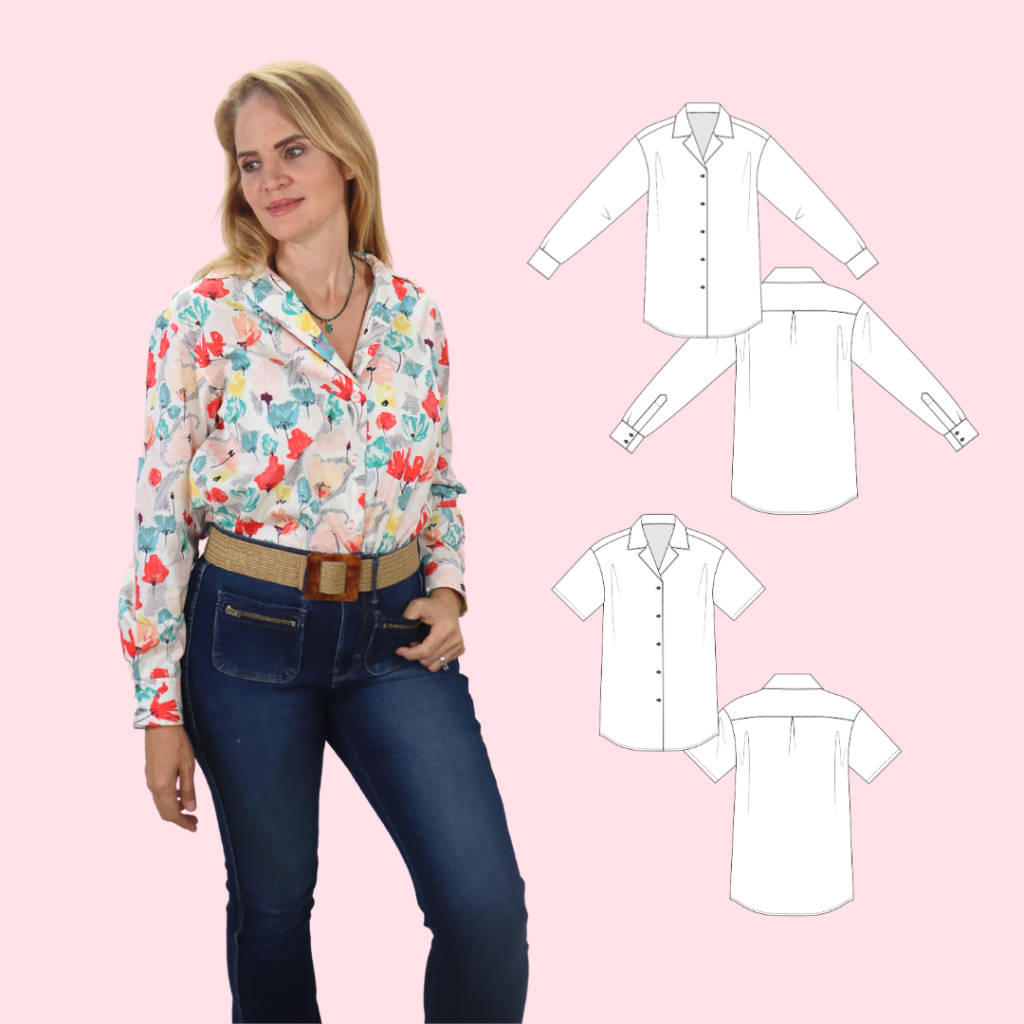
Another trend is the sheers. You can use the pattern Juany and create a fabulous blouse that you can wear with a white tank top like the one in the pattern Nereida White tank tops are “in”. Another option would be to only make the sleeves with sheer fabric. And for the most risky, use the tunic in combination with the top of one of the two-piece swimsuit patterns. (Juliana, Stella, Tatiana, Gabriela) Who said that these patterns are only for making swimsuits? Use your creativity.
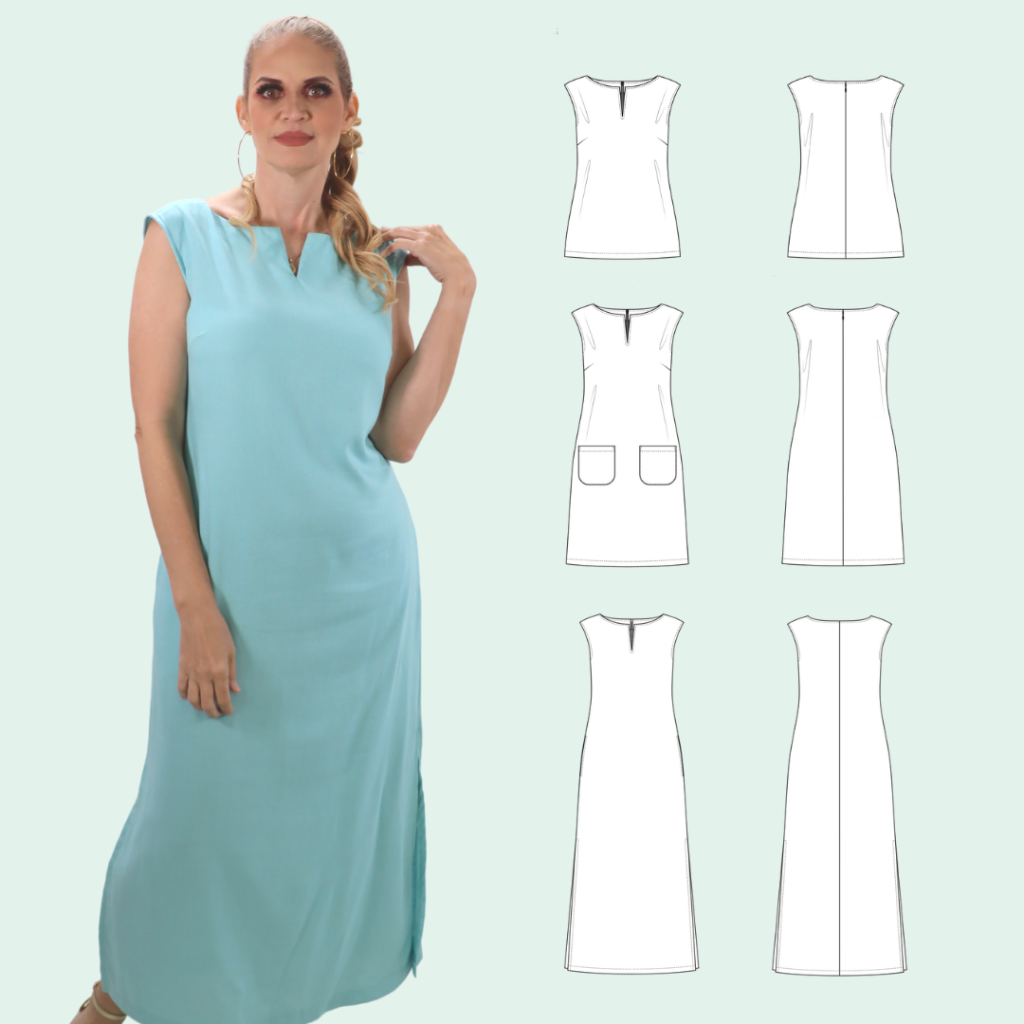
Relaxed dresses are very fashionable. I recommend the pattern Deborah. A pattern with simple and comfortable lines that you can make using natural fibers such as cotton or linen. Oh and it has pockets!
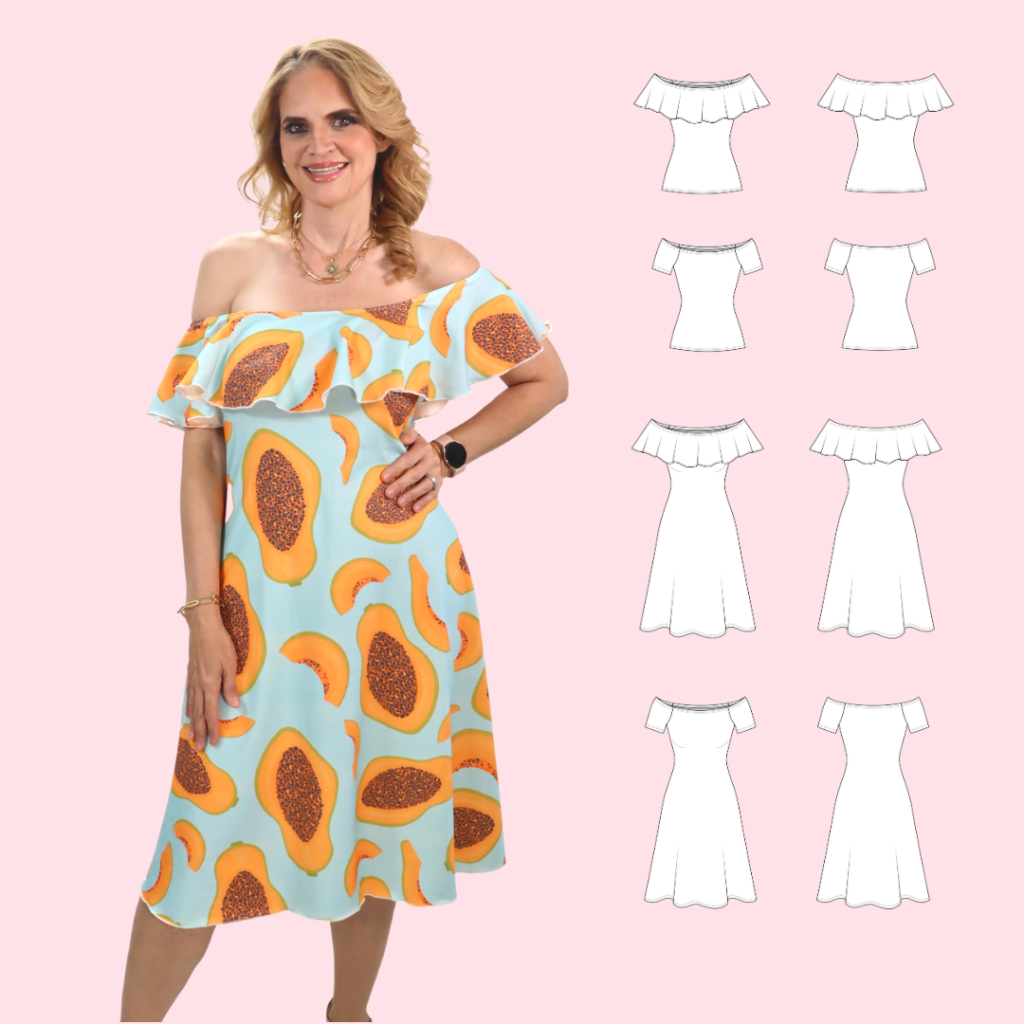
Ruffles are another trend for this summer. If you prefer knit fabrics you can use the pattern Nydia either to make a cute dress or a blouse. This pattern is also in plus sizes. If you prefer natural fiber fabrics such as linen or cotton, the option would be to make the blouse Sitka, the version with ruffles on the sleeves.
Let’s not forget the trendy swimsuits. High-waisted bikinis such as the pattern’s Gabriela, stands out. Do it in hot pink and you end up with the “Barbiecore” look. Barbies are in trend. You can also use this pattern to recreate another trend in fashion, the swimsuits with «cut outs». The pattern Valeria allows you to recreate another trend, long-sleeved swimsuits.
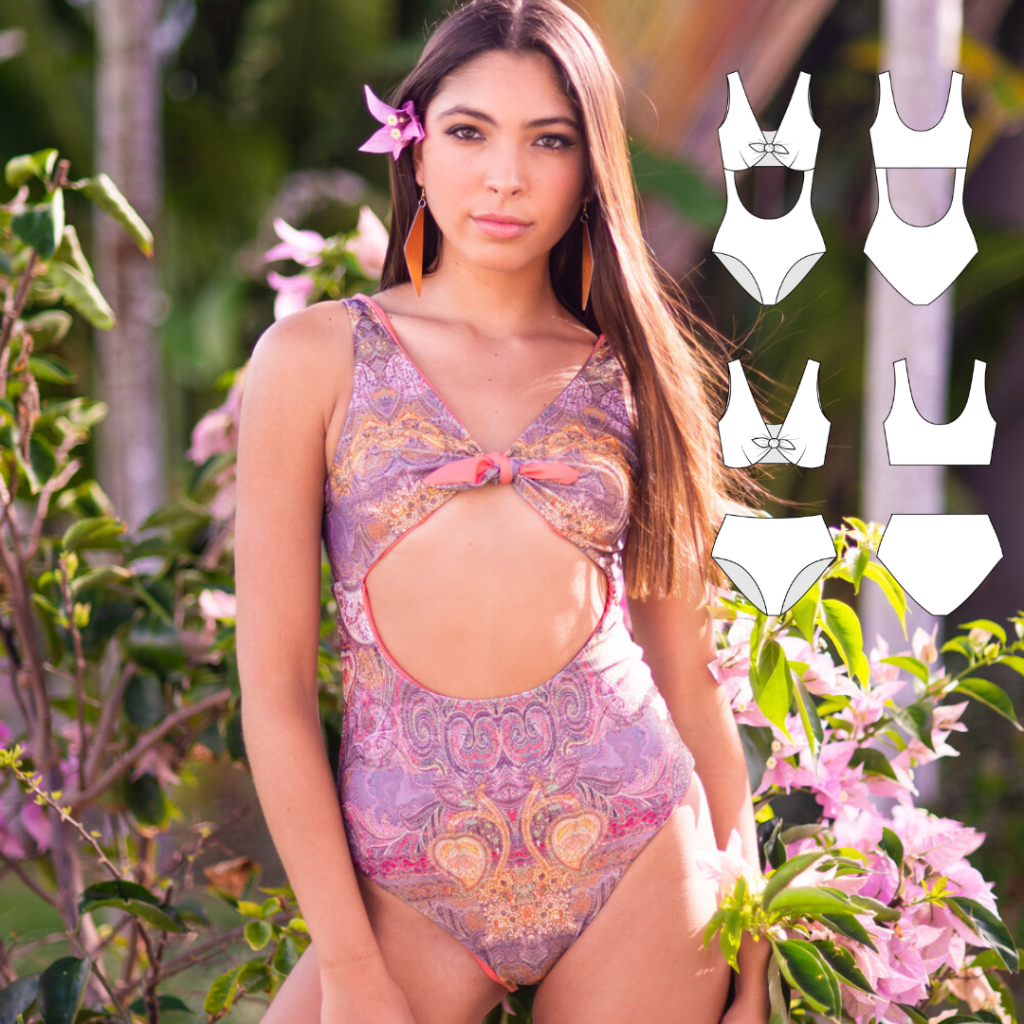
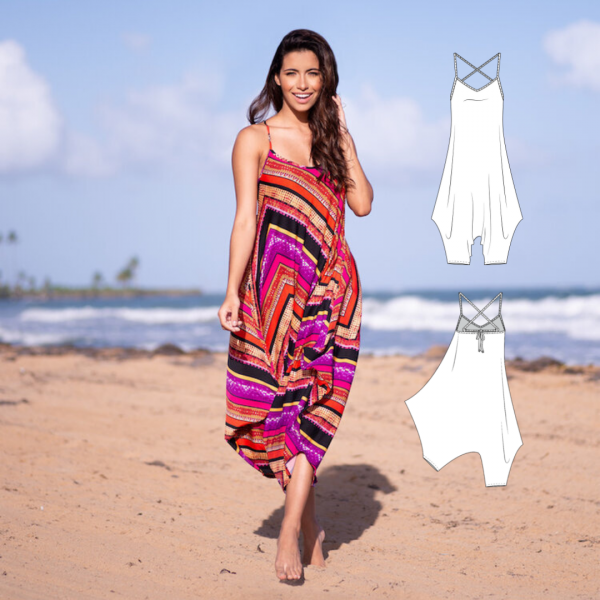
And yes, mermaids are in style. For the Sirena «look» you can use the pattern Taina. Use a light fabric with a tie-dye finish type ombre and you have the perfect look. This type of tie dye is another trend of 2023.
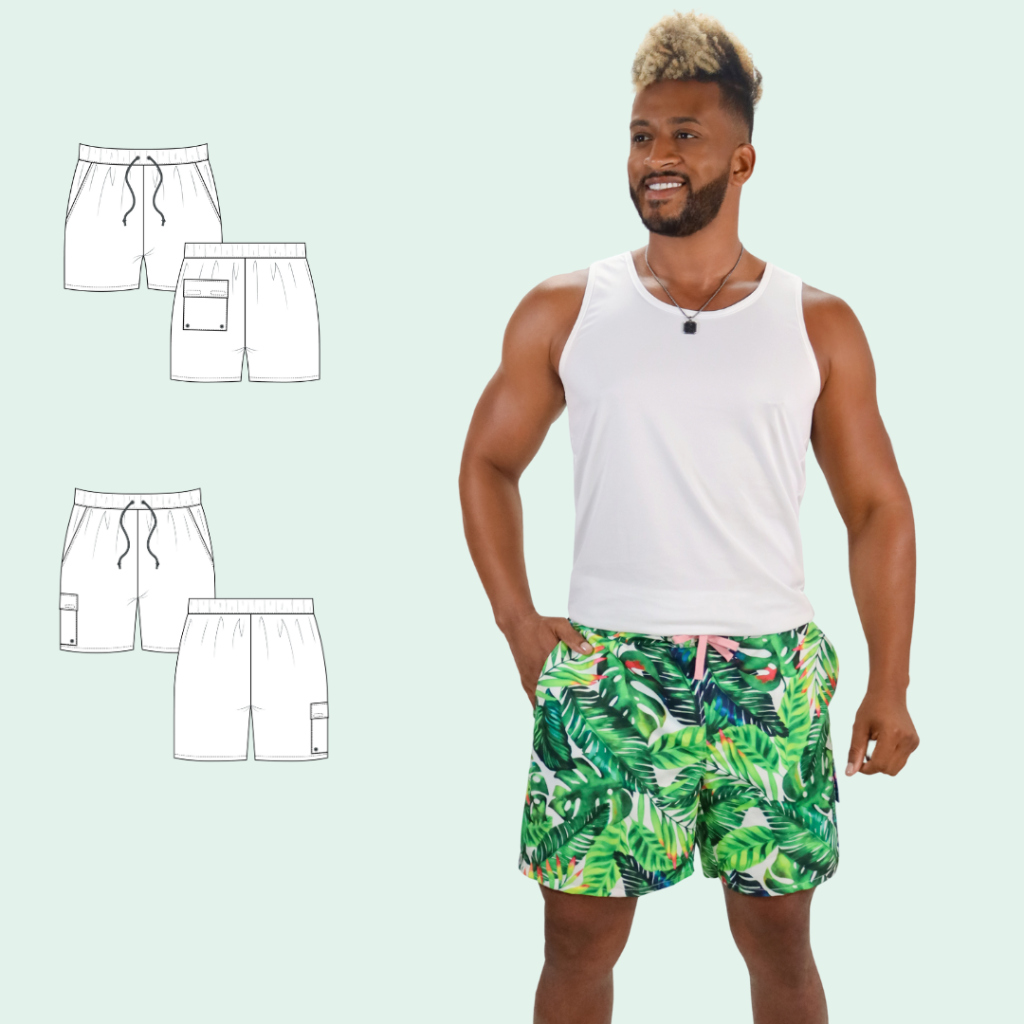
Let’s not forget about them. Utility or cargo pants are in trend. What better than the pattern Andrew with its cargo pocket. The advantage of this pattern is that you can make it as a bathing suit or as shorts. You can make pockets on both sides and also extend the pants pieces and make it long.
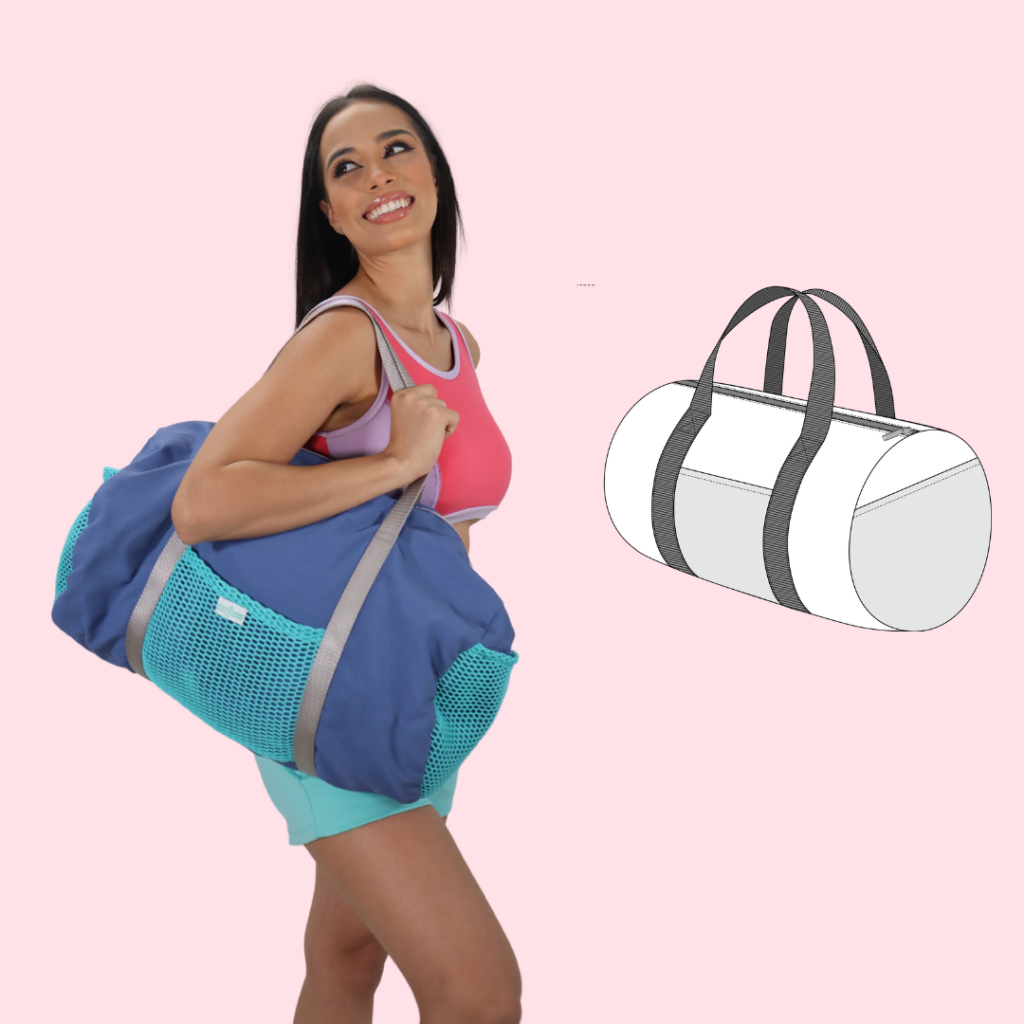
And since summer leads to vacations, we cannot forget the “duffel bag”. In Sirena Patterns you have the Arlene Gym Bag. This bag is not only for the gym, it also serves as a bag for a short trip without the need for suitcases. Oh, and don’t forget to bring your “fanny” for those long walks in which you want comfort and little weight. The Alex Fanny Pack pattern is perfect.
When you sew you can adapt fashion to your needs and preferences. Remember that with the power of sewing, the possibilities are endless. The Sirena Patterns are the basis for you to develop your imagination and creativity to the maximum.
If you want to get into sewing, Sirena Elite is perfect for you! You get one free pattern of your choosing every month and other benefits when you become a member. Join today and enjoy two weeks free here
Article written by
Isabel Hernández
The expression prêt-à-porter refers to clothing produced in series and ready to wear. This means that prêt-à-porter garments are not personalized or exclusive and are available in stores or warehouses.
Also linked to the English phrase ready to wear, the prêt-à-porter element is attributed to Pierre Cardín. It began to be used in 1950 with the intention of making fashion more accessible.
The prêt-à-porter style uses cheap materials (at least compared to those used in haute couture) and the manufacturing is industrial. The creators of prêt-à-porter work with standardized sizes.
In prêt-à-porter the designs are not unique. Multiple garments are massively produced and the same models are offered in different sizes. These characteristics make fashion more accessible to those who cannot go to a dressmaker.
In the 1950s, many designers opposed the development of ready-to-wear. The referents of the «Haute Couture» defended artisan work and custom garments created to order.
For decades, fashion was a luxury within the reach of a few. The designers Charles Frederick Worth and Rose Bertín, fathers of haute couture, designed their creations exclusively and made them by hand for a select audience. For years, couturiers reproduced this elitist work model, which had its highest representative in Christian Dior.
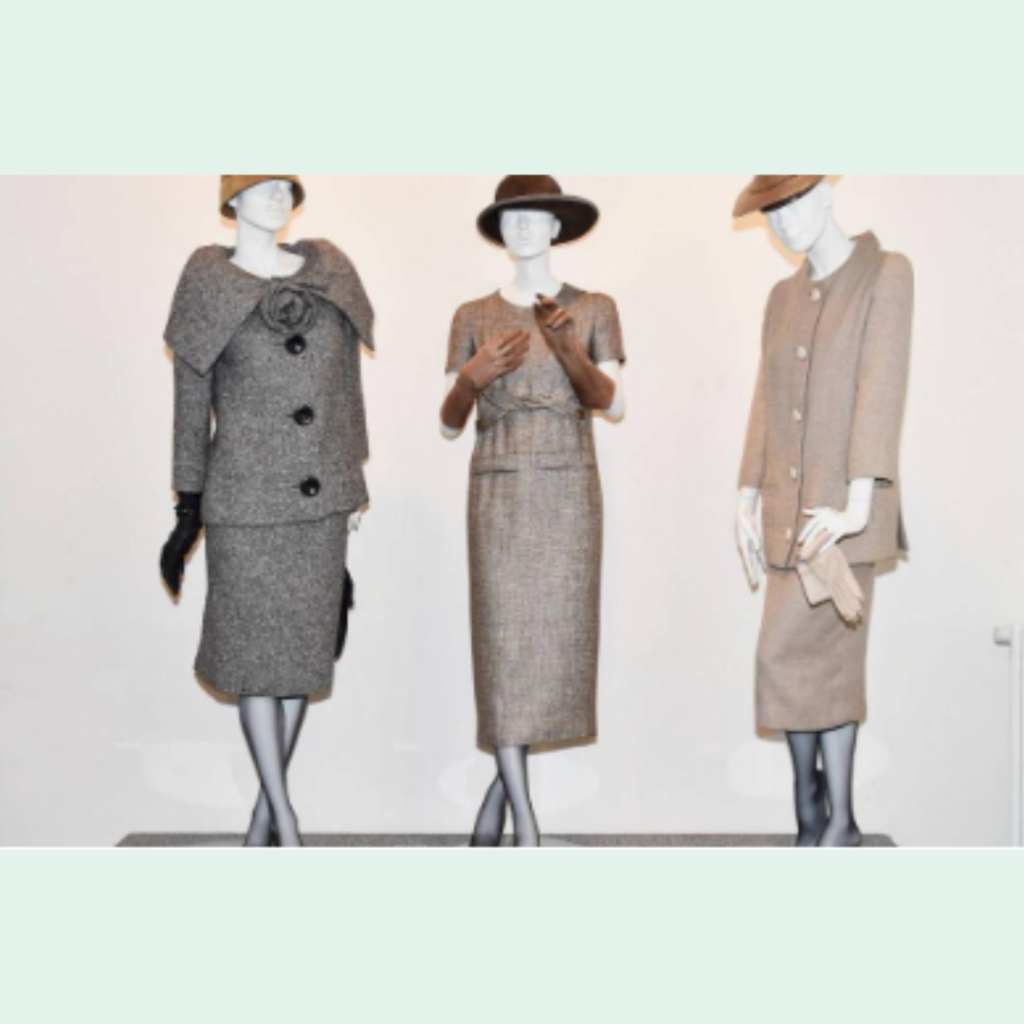
The prêt-à-porter collections make it easy for people to get new designs and clothes in tune with the latest trends in numerous stores. Thus, the objective of bringing fashion to a greater number of sectors is fulfilled.
Pierre Cardín was its promoter, democratizing fashion and making it available to everyone. Born in Italy in 1922, trained with Elsa Schiaparelli and Christian Dior, he had a futuristic vision not only for his designs, but also for his business model, which brought about an important social transformation.
We must situate ourselves in the context of post-war Europe to understand that only a few could afford to buy bespoke garments and that haute couture was becoming less and less important.
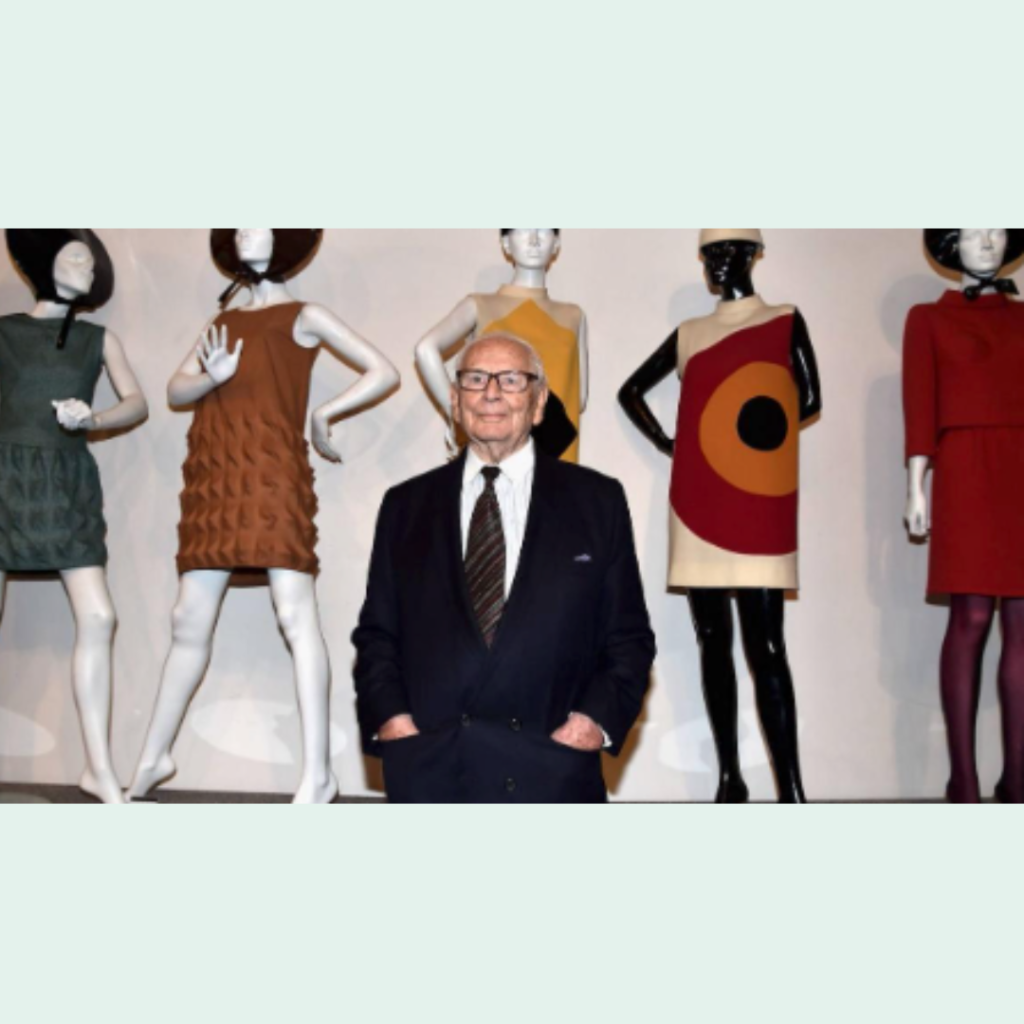
It was then that Cardín created this system that consisted of making more practical and accessible clothing for almost all consumers. Pierre Cardín was a pioneer in proposing a pattern-making system, through which designs could be mass-produced and displayed in stores, in different sizes, ready to be worn.
It should be noted that this model, which was a revolution almost a century ago, is the most common today: we go to a store, either out of economic convenience or out of affinity with its trends, and we buy a unit of a garment that is mass-produced for hundreds and thousands of people to enjoy.
Despite the fact that prêt-à-porter was very poorly received by haute couture designers, the idea was very well received by the public. Pierre Cardín’s first designs were exhibited at the Printemps department store in Paris, a completely revolutionary concept for the time. Over time, designers joined this new way of working and most of them combined their haute couture collections with prêt-à-porter lines, with rare exceptions such as the Spanish designer Cristobal Balenciaga, who refused to to design prêt-à-porter.
When prêt-à-porter emerged, its distribution took place in boutiques, which are equivalent to today’s department stores or shopping centers.
It is curious to think that the vision that high society had at that time of those who were forced to purchase these mass-produced products has not changed so much over time, although today’s prêt-à-porter consumers also have people with high purchasing power.
Today, buying clothes made to measure by a dressmaker is still something for the wealthiest consumers, but among those who consume ready-to-wear there are also clients with deep pockets. The nuance that remains to be applied to this equation to understand the differences between today and the mid-20th century is the great diversity of brands, ranging from the most accessible (with stores that really resemble department stores) to the exclusive (where the price of a t-shirt can be equivalent to that of several sets of one of the above).
Competition has always been a key element in the success of almost any commercial venture, and in the case of prêt-à-porter products it also happened: although it was not well accepted as soon as it was introduced to the market, this improved over time as big names joined, such as Chanel and Yves Saint Laurent.
Currently, few designers maintain their haute couture lines, governed by regulations issued by the Chambre de Commerce et D’industrie de Paris (Paris Chamber of Commerce and Industry), and their business is increasingly exclusive and elitist. The lines of large fashion firms such as Chanel, Dolce & Gabbana or Óscar de la Renta present their luxury prêt-à-porter collections each year, more accessible than exclusive haute couture designs, but of high quality. Mass-produced, available in stores in a variety of sizes, but still not within everyone’s reach.
At Sirena Elite, you have the opportunity to receive a free monthly pattern of your selection made by the designer Tommie Hernandez. They are accessible and practical patterns in the prêt-à-porter style where sizes range from extra small (XX Small) to “plus” sizes (XX Large). The club also offers the opportunity to publish your creations, win prizes with monthly challenges and share with other members. Join today and enjoy two weeks free here
Article written by
Sitka Shabelly
Many people are already familiar with sewing but simply make pieces using commercial patterns. If you’re determined to unleash your imagination and start creating your own designs, I’m here to help! I am Tommie Hernández and I have been a fashion designer for more than 25 years and for many years I sold my clothing and swimwear lines to dozens of boutiques and stores like JC Penney. And now I’m here to help you fall in love with all aspects of sewing, including fashion design. Check out these 3 things you should be obsessed with before you start illustrating your designs:
1. Know your style
To create a fashion collection, you must have a clear idea of what your personal style is. Think about what kind of clothes you like and what makes you feel comfortable and confident. It’s also important to keep current fashion trends in mind to make sure your collection is relevant and current.
2. Research the market
Before creating your collection, it is important that you research the fashion market and see what is currently on the market. Get to know your competitors, look at their collections and look for inspiration. Also, make sure you know your target audience and what they look for in fashion.
3. Design your garments
Once you have a clear idea of your style and have researched the market, it is time to design your garments! Create sketches and prototypes of your designs and make sure they are practical and functional. Also, think about the materials you want to use and how you will produce your garments.
Which one are you going to start with? I hope this helps you get excited about the opportunity to be able to create pieces to your liking and your style as the designer!
If you want to get into sewing, Sirena Elite is perfect for you! You get one free pattern of your choosing every month and other benefits when you become a member. Join today and enjoy two weeks free here
Article written by
Tommie Hernández
Have you ever felt frustrated or stuck in your creative process? We know that stimulating creativity can be a challenge, but it’s an effort that’s worth it. Here are six effective ways to stimulate your creativity and overcome mental blocks. Don’t settle for waiting for inspiration to come, take action and start exploring new ways to stimulate your creativity today!
1. Keep your eyes open
Look at everything around you. Observe people on the street, analyze current trends, and think about how you can give them a twist to create unique and impactful designs
2. Stay up to date
Follow fashion news and trends. Attend fairs and exhibitions, so you’re up to date with what’s happening in the industry and don’t get left behind. Draw! Always carry a notebook or an iPad to sketch ideas that come to mind. It doesn’t matter if they’re not perfect; the important thing is to represent your ideas so you don’t forget them
3. Draw!
Always carry a notebook or an iPad to sketch ideas that come to mind. It doesn’t matter if they’re not perfect; the important thing is to represent your ideas so you don’t forget them.
4. Collaborate with other designers
Working with other designers can be a great source of inspiration. Share ideas and discover new techniques to make your designs more innovative
5. Get inspiration from everything
Don’t limit yourself to fashion; look for inspiration in other disciplines like architecture, photography, art, or music. Anything can inspire you! A song, a landscape, a fragrance… keep an open mind!
6. Practice, practice, practice
Creativity is a muscle that needs to be exercised. Dedicate time every day to practice and experiment with new ideas and techniques. The more you practice, the more you’ll develop your creativity.
Remember that creativity has no limits, so follow these tips and let your imagination run wild!
If you want to get into sewing, Sirena Elite is perfect for you! You get one free pattern of your choosing every month and other benefits when you become a member. Join today and enjoy two weeks free here
"Creativity is seeing what others see but thinking what no one else has thought"
Albert Einstein Tweet
Article written by
Tommie Hernández
Have you ever wondered what has been the role of women in sewing? Let's start first with the history of sewing.
Hand sewing began more than 25,000 years ago. The first needles were made with animal bones or horns and the thread with animal tendons. The tanned skins of the animals were attached to each other with bone and sinew or leather strips. Animal wool and cotton were also used. The purpose of the clothing was to protect against the cold. In ancient Egypt, clothing was considered a luxury item intended for the wealthy. Linen tunics tied to the body and with very few seams were used. In Ancient Greece, work was part of the domestic chores of women who produced wool and silk joined in a cylinder and then on a loom.
In the Middle Age, clothing began to become more elaborate with sleeves and embroidery. The aesthetic was beginning to be valued more. It is at that moment that more demand for seamstresses and tailors begins to be generated. The colors and fabrics differentiated the social classes. The poor classes mended clothes. The women dedicated themselves to repairing and adjusting them. It was a job that could be done from home. From the beginning it was considered a woman’s task. Hand sewing, along with the loom and embroidery were passed down from generation to generation.
It was not until the 18th century that the first drawings and patents for what would become sewing machines were made. The history of the sewing machine is full of some unknowns and disputes. But that is a story for another time! With the advent of the sewing machine and the industrial revolution, sewing went from being a household activity to one of high demand and large-scale production. This is how women go to work in factories earning low wages and working long hours. Many of them invested the little they earned in renting sewing machines so they could sew clothes from home. This way, the poor and middle class had more access to better clothes. Then haute couture was born as an alternative for more luxurious clothing and exclusive designs for the rich.
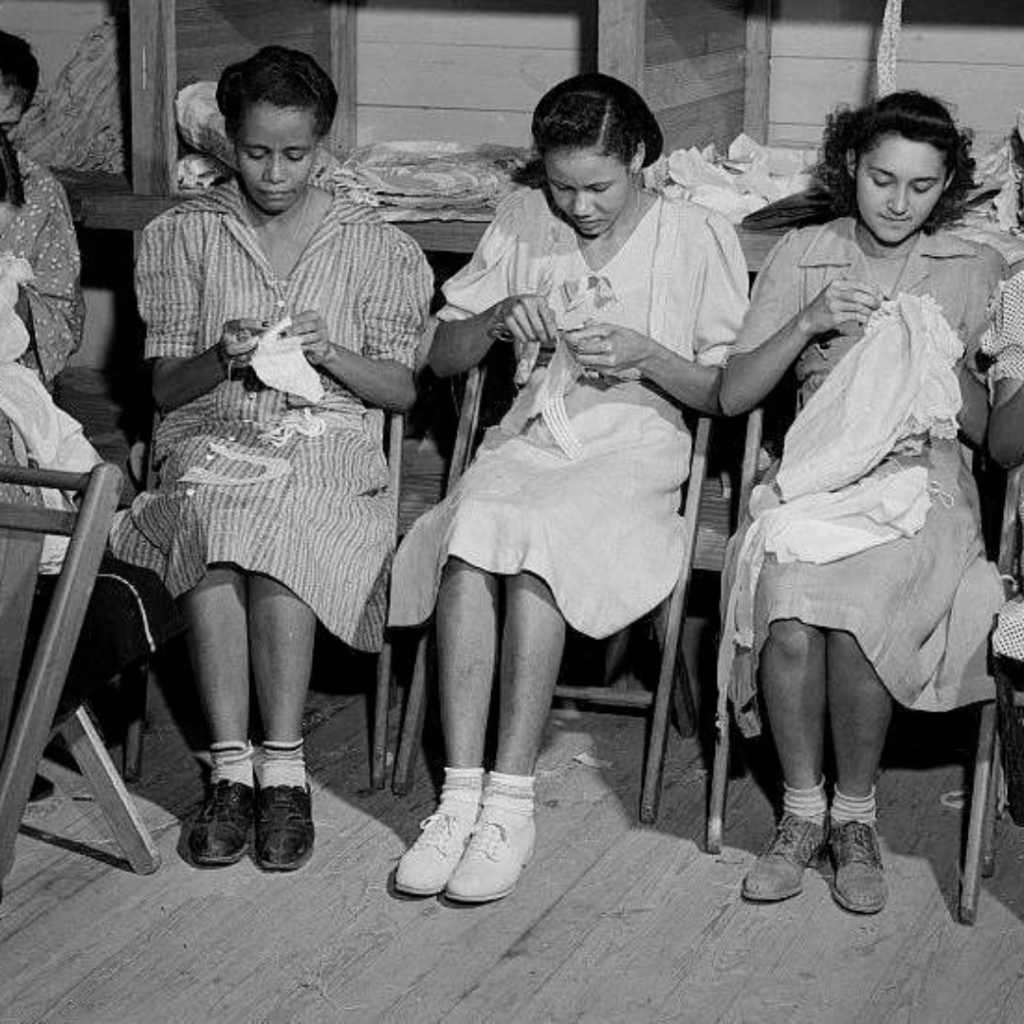
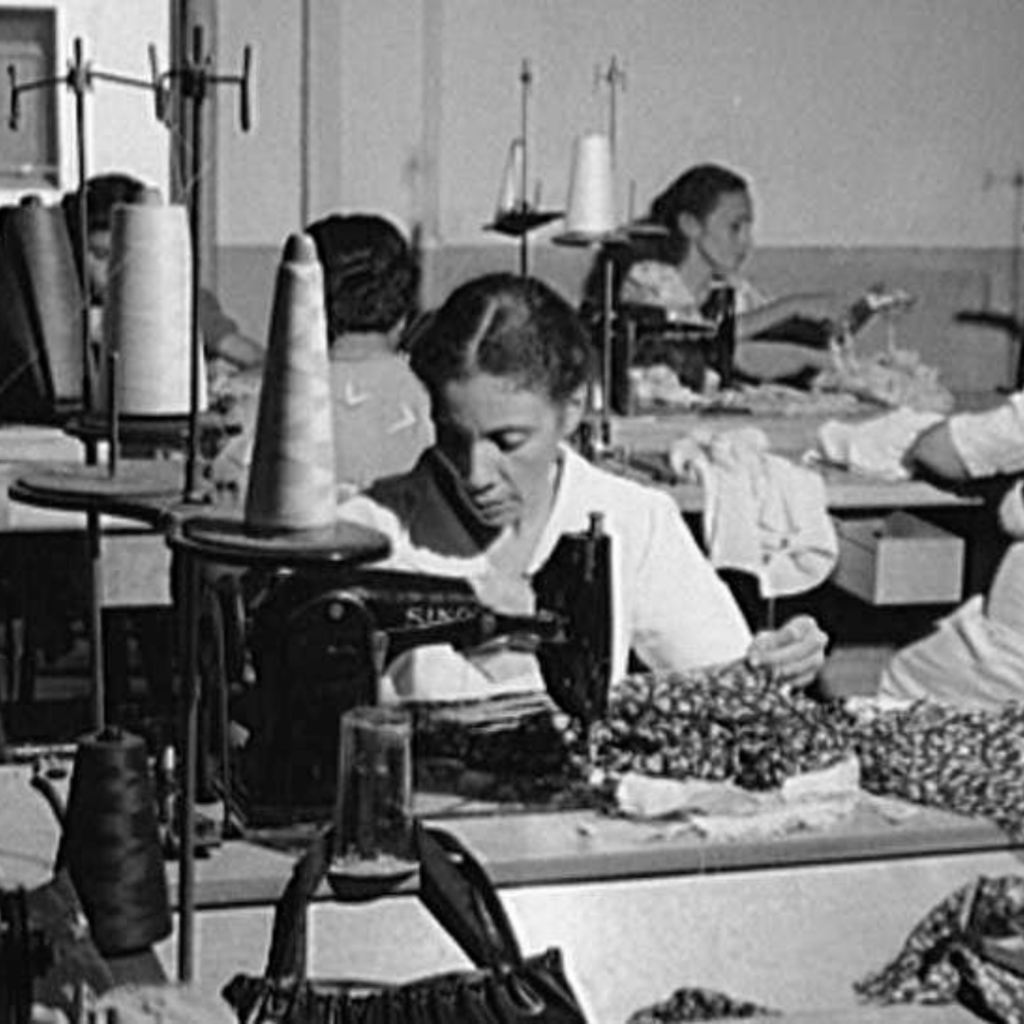
In Puerto Rico there are several stages of the needle industry and the participation of women in it. The industry was established in 1917. Immersionists came from New York in search of cheap labor. The materials were brought from there and made by Puerto Rican women and then exported to the northeast of the United States. American women residing on the Island identified the potential in PR and served as intermediaries with the Puerto Ricans. Puerto Rican seamstresses became known for producing very delicate pieces with embroidery and lace made by hand and then exported. The needle industry was concentrated mainly in the western area of PR.
These data are documented in our history. I have known the story since I was a child, and it touches me very close because my mother told it to me. In Camuy, my mother and my grandmother were part of that history. They brought the raw material, already cut and marked, and the women transformed it. She told me that she sewed and embroidered baby shirts using “Estopilla”. My grandmother was the one who machine-sewn other types of clothing. They got paid very little, and it was per piece made. The clothes were sold at high prices in the United States.
The proportion of women who worked in Puerto Rico sewing from home was triple that of those who sewed in workshops. Possibly because in the workshops the working conditions were horrible and because at home, they felt that they were their own boss and could also take care of their children. On August 30, 1933, it was women who organized and carried out a strike in the needlework industry demanding better wages and working conditions. The strike turned into a riot, where a woman and a girl were killed.
At the end of the 1940s, with “Operación manos a la Obra” a 15-year tax exemption plan was created. Garment factories were established in urban areas in the 1950s. Thousands of low-educated women who had worked in the early stage of the needlepoint industry were recruited. By 1960 this changed and they hired women who had more education. These factories moved to rural areas. When making the zone movement, many women became unemployed.
In Camuy, my town and neighboring towns, clothing and shoe factories were established. I was a teenager in the 70s and 80s and I was able to see how many women once they graduated from their high school went to work in those factories looking for economic independence. Many knew how to sew since they were little, so they quickly accepted the routine of working sewing in the factory. After work hours, many came home to take care of their children and then do housework, including sewing to earn extra money. In the public schools there were industrial sewing programs where they were prepared to later work in the needlework industry. Interesting fact is that women were the ones who carried out the main task that moved the industry, however, the executives were always men. I always admired those women, many of them single mothers who got ahead and raised their family thanks to sewing.
The needle industry slowly shifted and other industries emerged. Later the economic incentives ended, and the factories were closed. In recent years there has been a revival of the needle industry. Hurricane Maria and later the pandemic had a direct impact on the resurgence of this profession. In the case of COVID, being at home 24 hours a day had negative but also positive impacts. Many women dusted off their sewing machines and began to sew face masks at a time when there were shortages. Many of those hands made and distributed masks to health and food industry workers, families and friends. This movement not only occurred in PR but worldwide. Others who became unemployed were able to use sewing as income to get ahead. Those who did not know how to sew began to do so using YouTube and Facebook tutorials. In PR, the work of Tommie Hernández, founder of Sirena Patterns, stands out with her Monday tutorials on Facebook.
Currently in PR there are several projects who help women using sewing for entrepreneurship. To mention a few, “MUMAS” in Hatillo, ‘Cooperativa Industrial Creación de la Montana” in Utuado and Connecting Paths PR, with several projects around the Island.
Sirena Patterns has been an important part of the resurgence of this art and profession, educating women, helping them to undertake and move forward despite the circumstances. Sewing is not only an activity that contributes to entrepreneurship, providing for many women and their families, but also contributes to emotional health.
Until next time!
Isabel Hernández